For shoppers who prioritise fat content
If your main aim is to limit fat, it may be easier to compare a single snack with a mix. Lorenz lists 5.9 g of fat per 100 g for Saltletts Sticks. Also bear in mind the portion size and salt content.


If keeping fat low is your main priority when choosing a savoury snack, compare a snack mix with plain pretzel sticks or another simple, single-type snack. If you’d rather have the texture of crisps or several varieties in one pack, other products may suit your taste better. Don’t decide based on terms such as ‘light’: compare fat and kilocalories per 100 g and for the portion you plan to eat. For mixes, check the ingredients and allergens too.
If your main aim is to limit fat, it may be easier to compare a single snack with a mix. Lorenz lists 5.9 g of fat per 100 g for Saltletts Sticks. Also bear in mind the portion size and salt content.
To estimate the energy in the snack portion you plan to have, you’ll need to look at kilocalories per 100 g as well as fat, and consider how much you’ll actually eat. A comparative fat-reduction claim on its own won’t answer this question.
If you still want the texture of crisps, oven-baked or protein crisps are worth comparing. funny-frisch promotes its Ofen Chips as lower in fat than traditional potato crisps. For the specific variety, however, the absolute nutritional values and portion size are what matter.
First decide what matters most to you: the lowest possible fat content, the calories in your portion, the texture of crisps or the variety in a mix. Then compare the nutritional information for the specific products on the same basis.
A good fit if: A simple savoury snack matters more for your fat comparison than having different ingredients in a mix. Lorenz lists 5.9 g of fat per 100 g for Saltletts Sticks.
The trade-off: Less variety than a mix; Lorenz’s Saltletts Sticks also contain 3.8 g of salt per 100 g.
A good fit if: You want to keep the texture of crisps and compare varieties with a comparative fat-reduction claim.
The trade-off: ‘Less fat’ describes a comparison, not the absolute calorie content. funny-frisch lists 443 kcal and 15 g of fat per 100 g for Protein Chips Barbecue Style.
A good fit if: Having different ingredients in one pack matters more to you than finding the lowest possible fat content.
The trade-off: Assess each mix as a specific product: EDEKA lists 16.2 g of fat per 100 g for the GUT&GÜNSTIG Snack Mix and identifies several allergens.
| Criterion | What to check when buying | Who it matters to |
|---|---|---|
| Fat content | Fat in g per 100 g and for the portion you plan to eat; for ‘less fat’ claims, check the product being compared too. | I mainly want to limit the fat in my savoury snack, and I’m happy to have less variety to do so. Around 36% of shoppers put this first. |
| Calories per portion | Kilocalories per 100 g and the amount you’re likely to eat. | What matters to me is how many kilocalories are in the amount I actually eat; a product name that suggests reduced fat isn’t enough. This portion-based comparison is the main priority for around 29% of shoppers. |
| Crisp texture | For your preferred variety, compare fat and kilocalories; use other nutritional values only for the specific variety listed. | I still want something crisp-like to snack on, and I’m willing to weigh up other nutritional values to get it. This is the main reason for choosing a product for around 21% of shoppers. |
| Mix and ingredients | Ingredients, highlighted allergens and the salt content on the specific pack. | I want a mix to share, but because it contains different ingredients, I also need to check the labelling carefully. Around 14% of shoppers put this need first. |
A fat-reduction claim refers to a comparison product. Lorenz promotes Naturals Leicht as having 30% less fat than traditional potato crisps, while also listing 23 g of fat and 475 kcal per 100 g.
Compare the absolute values for fat, kilocalories and salt per 100 g, then take your planned portion into account.
The name describes the product format, not its nutritional values. EDEKA lists 16.2 g of fat and 452 kcal per 100 g for the GUT&GÜNSTIG Snack Mix.
If fat content is your main criterion, compare a specific mix with single-type snacks.
For the GUT&GÜNSTIG Snack Mix, EDEKA lists wheat, barley, sesame and milk among the allergens, as well as 2.9 g of salt per 100 g. These details may affect your choice even when a product contains less fat.
Check the ingredients list, highlighted allergens and salt content on the pack you’re buying.
Recipes and packaging information can change. Lorenz notes in its product information that the ingredients list on the pack is authoritative.
Before buying, check the nutritional information and ingredients against the specific pack, especially if certain ingredients are a deciding factor for you.
These examples show different types of savoury snacks. The information relates to the specific products mentioned, not to a brand’s entire range.
Saltletts Sticks and Naturals Leicht are two differently made products to compare when choosing based on fat and kilocalories.
Ofen Chips and Protein Chips are options for shoppers who value the texture of crisps.
The Snack Mix is an example of a classic mix containing several different ingredients.
The savoury snack category is a useful starting point for comparing different types of products and brands.
These are individual savoury snacks that offer an alternative to a classic snack mix. If you’re choosing snacks for a low-fat diet, compare their nutritional information on the pack and take your planned portion into account.
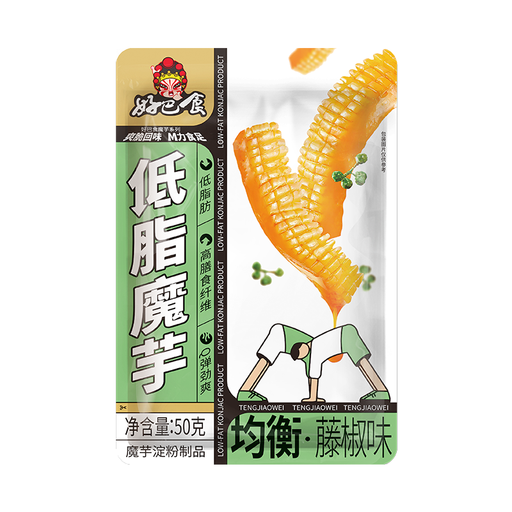 Image unavailable
A tasty individual alternative if you’d prefer a konjac snack to a mix. Check the pack for fat, kilocalories, salt and ingredients before choosing.
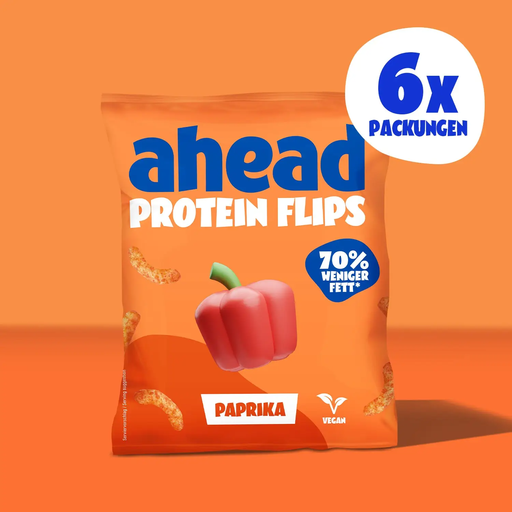 Image unavailable
An alternative if you’re after flips rather than a mix. The tray contains six 50 g packs. Compare the fat and calorie information for your portion and check the ingredients.
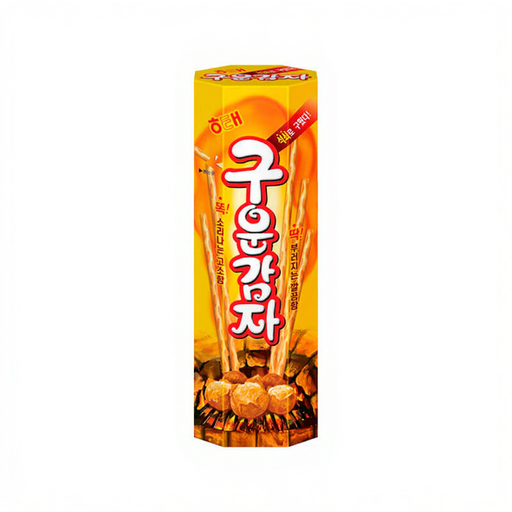 Image unavailable
A potato snack in a 27 g pack, if you’d like to compare an individual alternative to a snack mix. Check the nutritional information and allergens on the specific pack.
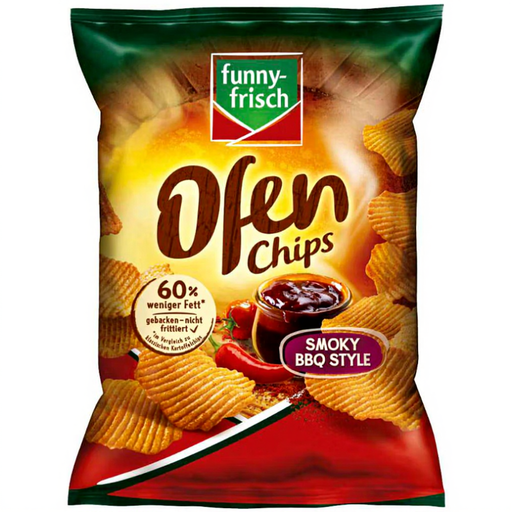 Image unavailable
For shoppers who prefer the texture of crisps to a mix. The pack contains 115 g; check the nutritional information for this variety rather than assuming that ‘Oven Chips’ means it’s lower in fat or kilocalories.
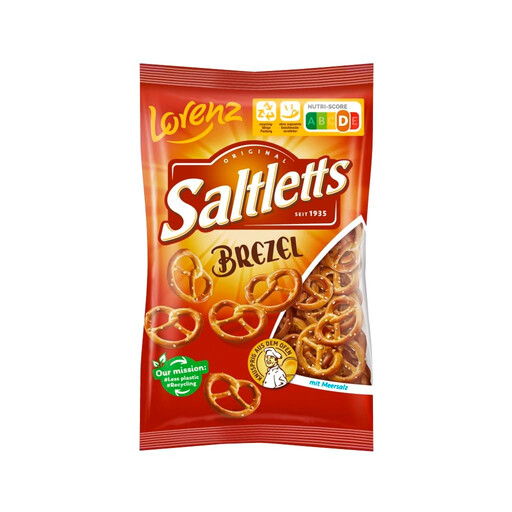 Image unavailable
Salted pretzels are a simple snacking alternative to a mix. The pack contains 200 g; compare fat, kilocalories and salt for the portion you plan to eat. The information for Saltletts Sticks doesn’t automatically apply to these pretzels.
No. A comparative fat-reduction claim alone doesn’t tell you how many kilocalories are in your portion. Lorenz lists 23 g of fat and 475 kcal per 100 g for Naturals Leicht, despite promoting it as having 30% less fat than traditional potato crisps.
Specific products can have different fat contents: Lorenz lists 5.9 g of fat per 100 g for Saltletts Sticks, while EDEKA lists 16.2 g for the GUT&GÜNSTIG Snack Mix. This doesn’t tell you anything about all pretzel sticks or mixes. Also compare kilocalories, salt and the portion you plan to eat.
Yes, the ingredients in the specific mix matter. EDEKA lists wheat, barley, sesame and milk among the ingredients of the GUT&GÜNSTIG Snack Mix and recommends checking the information on the packaging.
They’re worth considering if you value the texture of crisps and want to choose a specific variety based on its nutritional information. funny-frisch promotes Ofen Chips as lower in fat than traditional potato crisps; for Protein Chips Barbecue Style, the brand lists 15 g of fat, 443 kcal and 1.9 g of salt per 100 g. Don’t apply these values to other varieties.