If you have a food allergy, choose a cereal bar by checking its ingredients, highlighted allergens and any precautionary allergen information relevant to you – not by looking for a ‘light’ label. Only then compare the fat content per 100 g of suitable options. A lower fat value does not prove that a bar is suitable for a particular allergy, nor does it alone show that it contains less fat than a clearly specified comparison product.
Who is this selection relevant to?
People who need to avoid a specific allergen
For you, the ingredients in each individual variety are the first thing to check. According to the Federal Ministry of Agriculture, Food and Home Affairs, certain allergenic ingredients must be labelled on the packaging. However, you can’t assume that information about possible traces is relevant to you in every case.
Shoppers who want to compare fat content
You want to compare cereal bars using their nutritional information. Fat per 100 g provides a common basis, even when the bars are different sizes. If a product is labelled ‘light’, also check what the claim refers to.
People who need to avoid several ingredients
If you need to avoid several ingredients, checking the brand or product range isn’t enough. Depending on the bar, cereals, milk, peanuts, tree nuts, sesame and soya may appear as ingredients or in precautionary allergen information. So check the details on the packaging of each individual variety.
What matters when buying?
First, check whether the specific variety is suitable for your dietary exclusions. Then compare the nutritional information for the bars you can actually consider.
| Criteria |
What to check when buying |
Who it matters most to |
| Allergens and traces |
Read the ingredients list and check the highlighted allergens for the specific variety; also check separately for information about possible traces. |
If I need to avoid a particular allergen, I rule out products containing it before comparing nutritional information. Around 50% of shoppers put this first. |
| Fat content |
Compare fat per 100 g and, if a product is labelled ‘light’, check which value is being compared with which product. |
I want to compare bars using the same nutritional measure, even if their serving sizes differ. For around 30% of shoppers, comparing fat content is the main priority. |
| Several exclusions |
Check each pack against all the ingredients you need to avoid, and look for information about possible traces too. |
If I need to avoid several ingredients at once, one label can’t confirm whether the others are suitable. Around 20% of shoppers prioritise checking for multiple exclusions. |
Common mistakes when choosing
-
Assuming ‘light’ means less fat and fewer allergens
Without further explanation, a ‘light’ claim doesn’t tell you which nutritional value has been reduced compared with a similar product. It says nothing about the allergens it contains.
Check the ingredients and allergen information first. Then check the nutritional information and the explanation of the ‘light’ claim on the specific pack.
-
Assuming one variety represents the whole brand
Recipes and nutritional values can vary between varieties. REWE lists 17.5 g of fat per 100 g for Corny Strawberry Yoghurt and includes oats, barley and wheat in the ingredients.
Whenever you switch varieties, check the ingredients list, allergen information and nutritional details again – even if you already know another bar from the same brand.
-
Putting a fat value ahead of your dietary exclusions
A bar that looks interesting for its fat content may contain ingredients you need to avoid. For example, the Seitenbacher cereal bar listed by REWE contains sesame, almonds and cashew nuts.
Rule out bars containing allergens relevant to you before comparing their fat content.
Brands to consider
Corny
Corny offers various cereal bar ranges. The specific variety – not just the name of the range – determines its fat content and allergens.
- ALDI SÜD lists 9.4 g of fat per 100 g for Corny Schoko light – a useful figure when comparing nutritional information.
- Other varieties have different recipes. Names such as ‘Free’ or ‘Zero’ are no substitute for checking allergens and fat content.
Seitenbacher
A Seitenbacher cereal bar listed by REWE provides a specific figure for comparing fat per 100 g.
- REWE lists 11 g of fat per 100 g for this bar.
- Its ingredients include sesame, almonds and cashew nuts. If you need to avoid any of these, this variety isn’t suitable.
ja!
The ja! Muesli Bar Peanut Sweet & Salty listed by REWE shows why the ingredients and nutritional information for an individual product matter more than assumptions about a brand.
- REWE lists 24.7 g of fat per 100 g for this variety. You can compare this with other bars on the same basis.
- The bar contains peanuts. REWE also lists possible traces of tree nuts, soya and sesame.
Cereal bars at Joybuy
These bars come in different varieties and pack sizes for comparison. Whether a variety is suitable for your allergen exclusions depends on checking the ingredients and labelling on the specific pack; terms such as ‘Zero’ or ‘Free’ won’t answer that question.
 No image available
Corny Haferkraft Zero Cocoa, 4 × 35 g
An Haferkraft variety for shoppers who want to compare different bars using their nutritional information, after checking for any allergens they need to avoid.
If you’re at risk from possible traces of nuts, peanuts or milk, check the information on the specific pack. Also note the consumption advice for maltitol.
View at Joybuy
 No image available
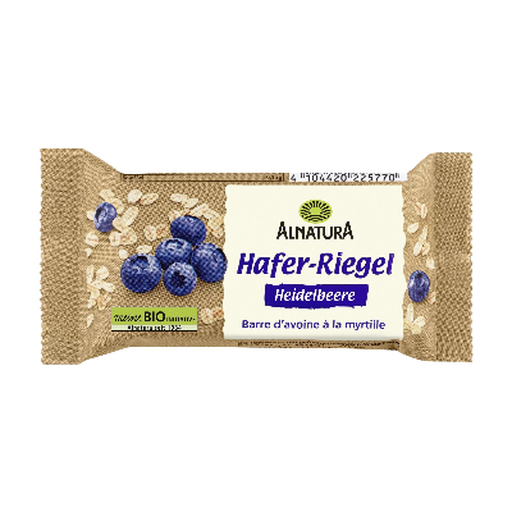
Alnatura Organic Blueberry Oat Flapjack, 60 g
This oat flapjack may be worth considering for a nutritional comparison if its ingredients are suitable for your dietary exclusions.
If you need to avoid gluten-containing oats, or if possible traces of egg, milk, sesame, soya or nuts are relevant to you, check the labelling on the specific pack.
View at Joybuy
 No image available
Corny Free White Chocolate No Added Sugar, 6 × 20 g
You can compare the nutritional information for this White Chocolate variety with other cereal bars, provided its ingredients are suitable for you.
If you need to avoid gluten-containing cereals, milk or peanuts, this variety isn’t suitable. Check the specific pack for information about possible traces.
View at Joybuy
 No image available
Corny Free Chocolate No Added Sugar, 6 × 20 g
This Chocolate variety is another option to compare nutritional information once you’ve checked the ingredients.
If you need to avoid wheat, gluten or milk, this variety isn’t suitable. If possible traces are relevant to you, check the labelling on the specific pack too.
View at Joybuy
Frequently asked questions
Is a lower-fat cereal bar automatically suitable if you have a food allergy?
No. The fat content doesn’t tell you whether the bar contains your allergen. Check the ingredients list and highlighted allergens for each variety, as well as any information about possible traces if that’s relevant to your decision.
Does ‘light’ mean less fat in a cereal bar?
Not necessarily. Without further details, you can’t tell what ‘light’ refers to. Read the explanation on the pack and compare the fat per 100 g with a suitably chosen comparison product.
What’s the difference between precautionary allergen information and an allergenic ingredient?
An allergenic ingredient is deliberately added to a food and must be labelled accordingly. Information about possible traces, on the other hand, relates to unintended presence. Lebensmittelklarheit explains that these additional warnings are treated differently under the law. Whether you need to take them into account for your allergy can’t be decided on the basis of a fat value or product name alone.
How do I compare the fat content of bars in different sizes?
Start by comparing the fat content per 100 g, so that bars of different sizes are measured on the same basis. If you also want to know how much fat you’ll actually eat, check the figure per bar too.


