When choosing a snack bar for a bike ride, don’t rely on the ‘reduced fat’ claim alone. Compare the fat and carbohydrate content per bar, as well as the ingredients and allergens. For rides lasting more than 60 minutes, carbohydrate intake during exercise may be relevant, as the Gatorade Sports Science Institute explains. In that case, the bar should fit in with the rest of your ride nutrition. ‘Reduced fat’ is a comparison with a similar product and, by itself, tells you nothing about the absolute fat or sugar content.
Who is this choice relevant to?
Leisure and commuter cyclists keeping an eye on fat
You want to take a bar with you for a leisure ride or your commute and compare its fat content with similar products. You also want to see how many carbohydrates you’ll get from the portion you actually eat.
Cyclists with a fuelling plan
On longer rides, you want the bar to make a clear contribution to your carbohydrate intake. The Gatorade Sports Science Institute stresses that your fuelling should suit the effort and conditions of your ride.
People who need to check ingredients and allergens
The ingredients in the specific variety and any highlighted allergens are what matter to you. For bars containing nuts, peanuts or sesame, it’s also worth checking for possible ‘may contain’ warnings.
What should you look for when buying?
First, decide whether you’re mainly looking for a snack with a lower fat content or want to include a bar as part of your ride nutrition. Then compare the nutritional information for the specific portion and check that the ingredients and packaging work for you.
| Criteria |
What to check when buying |
Who it matters most to |
| Carbohydrates per bar |
Portion weight and carbohydrates per bar; for longer rides, take the rest of your ride nutrition into account too. |
If my ride is going to last a while, I want to know how much a bar contributes to my planned nutrition. For around 31% of consumers, this carbohydrate contribution is the main consideration. |
| Fat content and comparison claim |
Compare fat per 100 g and per portion in similar bars; don’t assume that ‘reduced fat’ means ‘low fat’. |
I want to cut down on fat without relying on the front of the pack alone. Around 31% of consumers put this comparison first. |
| Portability and how well it suits you |
Check the portion size and packaging; try a new variety first on an easy ride. |
I want a bar that’s easy to carry and eat on the go, and I want to know how it agrees with me during exercise. Around 25% of consumers make this their main priority. |
| Ingredients and allergens |
Read the ingredients list, highlighted allergens and, where applicable, ‘may contain’ warnings on the current pack. |
If I need to avoid certain ingredients, the labelling for each variety determines what I choose. For around 13% of consumers, this check comes first. |
What mistakes can you avoid?
-
Taking ‘reduced fat’ as a verdict on the whole bar
The claim refers to a comparison with a similar product. It doesn’t tell you how much fat is in a portion, or how much sugar, energy or carbohydrate it contains.
Compare the nutritional information per 100 g and per bar. If you plan to eat the bar on a longer ride, factor its carbohydrates into your overall ride nutrition.
-
Assuming all nut and seed bars are low in fat
EDEKA lists its organic sesame and organic mixed nut bars as containing 32 g and 33.5 g of fat per 100 g respectively. These figures apply to the products mentioned, not to all nut or seed bars.
If fat content is your main consideration, compare the nutritional information for the specific varieties rather than assuming a bar’s type tells you how much fat it contains.
-
Trying a new variety for the first time on a long ride
You can’t tell from the packaging or nutritional table alone whether a bar will be easy to eat on the go or how it will agree with you during exercise.
Try a new variety first on an easy training ride. For longer rides, take a familiar alternative with you if needed.
-
Guessing the allergens from the variety name
A flavour name doesn’t tell you every ingredient or possible trace. Varieties from the same brand can also differ.
For each specific pack, check the ingredients list, highlighted allergens and any ‘may contain’ warnings.
Using brands and own-label ranges as a guide
A brand name is no substitute for comparing specific varieties: bar type, portion size and nutritional values can vary within the same range.
Corny
REWE stocks Corny cereal bars and other bar ranges in a variety of formats.
- The different portion sizes give you a starting point for comparing bars per serving.
- Whether a particular variety suits your fat and carbohydrate comparison depends on its own nutritional table.
REWE Bio / REWE PWR
REWE’s own-label ranges include fruit, oat and protein bars, among others.
- The different types of bar can be compared by portion size and nutritional information.
- The own-label range alone doesn’t tell you the fat content or ingredients of every variety.
EDEKA Bio / GUT&GÜNSTIG
EDEKA’s own-label ranges include sesame, mixed nut and cereal bars, among others.
- EDEKA states that its organic sesame bar contains 32 g of fat per 100 g, while its organic mixed nut bar contains 33.5 g. These specific varieties show why it’s worth comparing fat content.
- These figures don’t apply to other EDEKA bars; you should also check the allergen information for the varieties mentioned.
Snack bars on Joybuy
This selection includes cereal, muesli and oat bars in a range of portion sizes, for comparing before a bike ride or as a snack on the go. A low fat figure or the name of a variety doesn’t, by itself, prove that it is lower in fat relative to a similar product; check the information on the specific pack.
 No image available
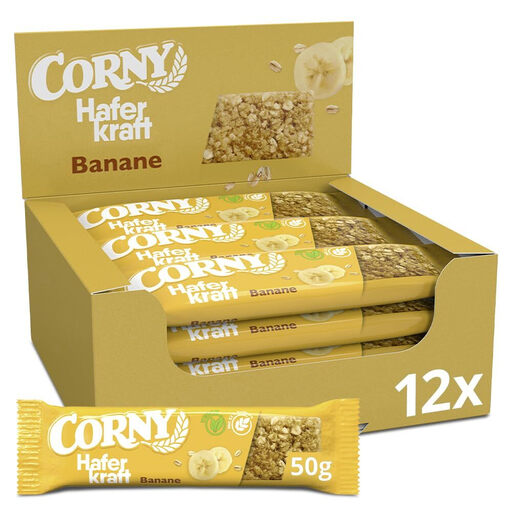
Corny Haferkraft Banana, 12 × 50 g
The stated individual weight of 50 g helps you work out how the portion fits into a longer ride. Before including it in your plan, compare the carbohydrates and fat per bar on the current pack; if you have allergies, check the ingredients and ‘may contain’ warnings too.
View on Joybuy
 No image available
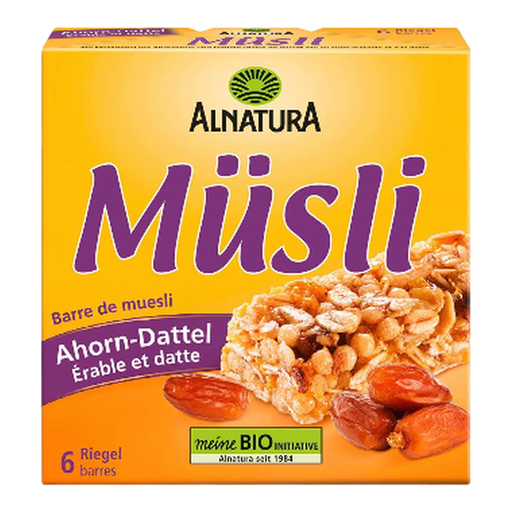
Alnatura Organic Maple & Date muesli bars, 6 × 25 g
The 25 g format may suit you if you want to take smaller individual portions with you. When comparing bars, check how much fat and carbohydrate there is in each one, and if you have allergies, check the current ingredients list.
View on Joybuy
 No image available
Corny Free Chocolate No Added Sugar cereal bars, 6 × 20 g
The 20 g bars are an option if you prefer smaller portions; for ride nutrition, the carbohydrate content per bar still matters. According to the product information, it contains maltitol, which may have a laxative effect if consumed in excess. Also check the ingredients and allergen information on the pack.
View on Joybuy
 No image available
Corny Haferkraft Zero Cocoa cereal bar
If fat content is your main consideration, compare the nutritional information per 100 g with similar bars. For ride nutrition, check the individual weight and carbohydrate content per bar on the pack. According to the product information, this variety contains maltitol; consuming too much may have a laxative effect.
View on Joybuy
 No image available
Alnatura Organic Blueberry Oat Flapjack Bar, 60 g
This variety is worth considering as a snack to take on a bike ride. If you’re planning your carbohydrate intake, check the specific pack to see how many portions it contains and what nutritional values apply to each bar. If you have allergies, check the allergen information too.
View on Joybuy
Frequently asked questions
What does ‘reduced fat’ mean on a snack bar?
The claim describes a reduction compared with a similar product; it doesn’t automatically mean the bar has a low absolute fat content. So compare fat, sugar and energy per 100 g and per bar, and check which product it is being compared with.
Is a reduced-fat bar enough for a long bike ride?
A single bar won’t necessarily provide all the nutrition you’ve planned for your ride. The Gatorade Sports Science Institute says carbohydrate intake during exercise may be relevant for efforts lasting more than 60 minutes. Check the carbohydrates per bar alongside drinks and other food you’re taking with you.
How do I check allergens in different varieties of bar?
Read the ingredients list and highlighted allergens on the current pack for each variety. The German Federal Centre for Nutrition explains this labelling for packaged foods. Also look for any ‘may contain’ warnings rather than assuming another variety from the same brand will be the same.
Can Nutri-Score help me choose a bar for a bike ride?
Nutri-Score can provide an additional indication of the nutritional composition of comparable foods. For your ride, it’s no substitute for checking the carbohydrate content per bar, portion size, ingredients and allergens.


