What should you look for when buying?
Start by comparing the fat per 100 g and the ingredients. Then check the sugar information and anything else that matters for the lunchbox you’re packing.
| Criterion |
What to check |
Who it matters to |
| Fat and oil |
Compare the fat per 100 g across specific packs and check the ingredients list for oil. |
I want to pack dried fruit where the fat content isn’t hidden behind the label ‘fruit snack’. Around 46% of consumers would make checking fat and oil their most important reason for choosing a product. |
| Sugar information |
Check the ingredients list for added sweeteners and read the ‘of which sugars’ figure per 100 g. |
Even if no sugar has been added, I want to know how much sugar the dried fruit contains overall. For around 36% of consumers, this distinction would be their main consideration when buying. |
| Pack information |
Read the ingredients, allergen and ‘may contain’ information on the current pack; portion some out for the lunchbox. |
If the holiday childcare provider has specific requirements, the pack must meet them and suit the snack portion you’re planning. This would be the main concern for around 18% of consumers. |
Dried fruit for lunchboxes at Joybuy
This selection includes dates, jujubes and prunes for a holiday lunchbox where fat content matters. Check the latest nutrition information and ingredients for each product; the pack size isn’t automatically a suitable snack portion.
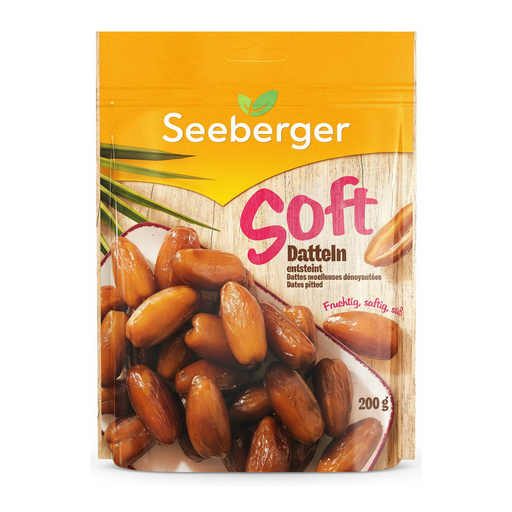 Image unavailable
Seeberger Soft Deglet Nour dates, 200 g
These dates could be a good option for a lunchbox if you portion some out from the pack. Before buying, compare the fat and ‘of which sugars’ per 100 g, and check the ingredients on the current pack.
View at Joybuy
 Image unavailable
Haoxiangni Grade 2 Fresh-Locked Pitted Red Dates Original Flavour, 280 g
These pitted red dates, also known as jujubes, offer another type of fruit for the lunchbox. If fat is your top priority, compare the figure per 100 g; for portioning, also check the sugar and allergen information on the pack.
View at Joybuy
 Image unavailable
Seeberger Pitted Soft Dried Prunes, 500 g
You can take a lunchbox portion of these pitted prunes from the 500 g pack. Compare the fat and sugar per 100 g on the current pack, and be aware that the prunes may contain the occasional stone fragment.
View at Joybuy
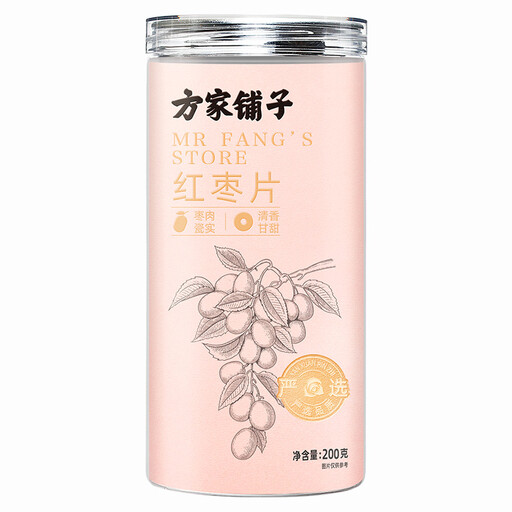 Image unavailable
Fang Jia Puzi Dried Red Date Slices, 200 g
These sliced red dates are a handy option if you want to pack a portion without having to cut anything up. To compare them, check the fat and ‘of which sugars’ per 100 g, as well as the allergen information on the current pack.
View at Joybuy
Frequently asked questions
How can I tell whether a dried fruit is lower in fat for a lunchbox?
Compare the fat per 100 g shown on the packs and check the ingredients list for added oil. For example, EDEKA’s fried banana chips contain coconut oil and 27.8 g of fat per 100 g, so the name of the fruit alone isn’t enough to help you choose.
Is dried fruit labelled ‘no added sugar’ sugar-free?
No, the label doesn’t mean it’s sugar-free. Dried fruit contains natural sugars, which are more concentrated per 100 g after the water has been removed, according to Verbraucherzentrale. You can find the total sugar content under ‘of which sugars’ in the nutrition information.
What should I check before packing food for someone with allergies?
Read the ingredients, allergen and ‘may contain’ information on the current pack, particularly if there’s a known allergy or the holiday childcare provider has specific requirements. EDEKA warns that its banana chips may contain traces of peanuts and tree nuts; this doesn’t apply to all dried fruit.
Are freeze-dried fruits automatically the lower-fat choice?
No, the method used to make the fruit doesn’t answer the question of fat content on its own. Check the fat per 100 g for the specific variety. When planning portions, also bear in mind that removing water makes sugars more concentrated per 100 g, according to Verbraucherzentrale.
Is the brand name enough to help me choose dried fruit?
No, what matters is the information for the individual product. ALDI SÜD, for example, notes that nutritional values can vary between suppliers. So compare the ingredients and nutrition information on the pack you’re planning to buy.


