Holiday snackers keeping an eye on fat
You’re looking for crunchy snacks for days out or evenings together, and want to check the advertised fat reduction against the nutrition information per 100 g.


When choosing a lower-fat snack for the holidays, don’t rely on the percentage on the front of the pack alone: “less fat” describes a comparison and doesn’t automatically mean “low fat”. Whether crisps, popped snacks or pulses-based crisps are better suited to what you’re looking for also depends on taste and texture. Then compare the nutrition information per 100 g, along with the ingredients and allergens for the specific flavour.
You’re looking for crunchy snacks for days out or evenings together, and want to check the advertised fat reduction against the nutrition information per 100 g.
You’d like to share snacks and need to know whether a particular flavour suits everyone’s requirements. Ingredients and allergen information can vary between flavours.
You compare the protein or fibre content of pulses-based and other savoury snacks as well as their fat content, without using these figures alone to judge the overall product.
First decide which type of snack and flavour will suit your holiday plans. Then check what “less fat” is being compared with and review the information for the flavour you’ve chosen.
| What to consider | What to check when buying | Who it matters to |
|---|---|---|
| Fat information | The product used as the comparison for the percentage claim, and the fat per 100 g on the specific pack. | I want to choose a lower-fat option without assuming that a large percentage reduction means a low fat content. This is likely to be the main reason for buying for around 33% of consumers. |
| Ingredients and allergens | The ingredients list and allergen information for the flavour you want. | If several people are sharing the snack, the flavour needs to meet their requirements. For around 27% of consumers, this check is likely to come first. |
| Protein and fibre | The respective nutrition values per 100 g, alongside fat and salt. | I’m interested in pulses-based or protein snacks, but I also want to compare the other nutrition information. Around 20% of consumers are likely to prioritise the protein or fibre profile. |
| Flavour and pack size | Snack type, flavour and pack size in grams. | For a day out or an evening together, I’m looking for a flavour that’s easy to pack and share. For around 20% of consumers, this is likely to be the main factor in their choice. |
A fat reduction is measured against a comparison product. By contrast, the Verbraucherzentrale explains that “low fat” for solid foods means no more than 3 g of fat per 100 g.
Check the fat per 100 g and find out what the advertised reduction is being compared with.
A different seasoning can mean different ingredients and allergens. This is particularly important if several people want to share the same holiday snack.
Check the ingredients list and allergen information on the pack for the exact flavour you’ve chosen.
Other nutrition claims are no substitute for comparing the full nutrition information. REWE lists 2.8 g of salt per 100 g for Lorenz Kichererbsen Chips Paprika and 1.8 g per 100 g for Zweifel Vaya Bean Salt Snack.
Compare fat, salt, protein and fibre per 100 g for each specific product.
At REWE, Naturals Leicht fein gesalzen is described as potato crisps with 30% less fat than conventional potato crisps, while Kichererbsen Chips Paprika is described as having 55% less fat than conventional potato crisps.
funny-frisch describes its Ofen Chips as baked rather than fried, and says they have 60% less fat. At REWE, Linsen Chips Oriental and Popchips Sea Salt & Pepper are both advertised as having 40% less fat.
REWE describes Vaya Bean Salt Snack as a snack made with peas and beans, and advertises it as having 40% less fat.
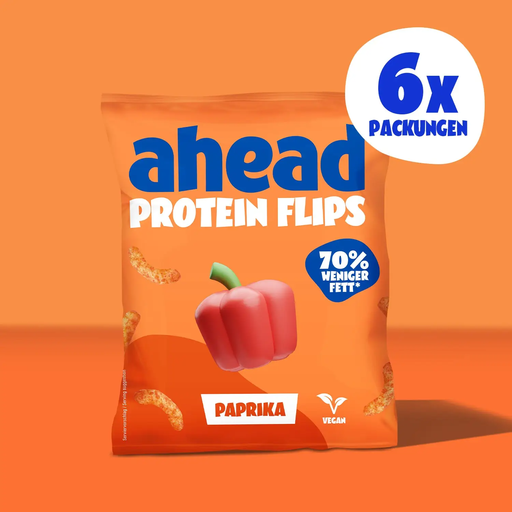
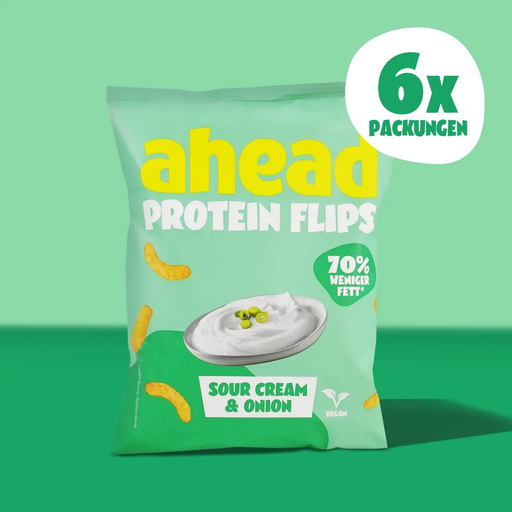
This Joybuy selection includes two savoury ahead snacks for days out or evenings together. Check the information on each specific pack before assessing them against an advertised fat reduction.
 No image available
The six individually wrapped bags are handy for several snack occasions. To assess the fat reduction, check the fat content and the stated comparison on the pack. If you’re sharing them, check the allergen information for the paprika flavour too.
 No image available
This sour cream flavour could be a savoury option for a film night or picnic. To compare fat content, check the nutrition information on the specific pack, along with its ingredients and allergen information before sharing. Make sure the protein figure also applies to this flavour.
No. “Less fat” compares a product with a reference; it doesn’t tell you the product’s absolute fat content. The Verbraucherzentrale explains that “low fat” for solid foods means no more than 3 g of fat per 100 g. So, when choosing, you should also check the fat content on the pack.
Compare fat and salt per 100 g, as well as what a fat-reduction claim is being compared with. If you’re sharing the snack, also check the ingredients and allergen information for the flavour you’ve chosen. The Verbraucherzentrale highlights the importance of this information on packaged foods.
Not necessarily. They may have different ingredients and nutrition profiles, but the specific product still needs to suit your requirements for fat, salt and allergens. funny-frisch states that its Protein Chips contain 21 g of protein per 100 g; this figure alone doesn’t replace comparing the rest of the nutrition information.