Parents keeping an eye on fat content
If you’re looking for a crunchy snack after school or childcare, compare the actual fat content per 100 g rather than relying on the front of the pack.


When choosing popcorn for an after-school snack with fat content in mind, compare the fat figures per 100 g first, rather than relying on terms such as ‘light’ or ‘reduced fat’. Also check the sugar and salt content, and think about the portion you plan to eat. Ready-to-eat popcorn, microwave popcorn and popcorn kernels you prepare yourself also differ in how quickly they’re ready and how much control you have over the oil and seasoning.
If you’re looking for a crunchy snack after school or childcare, compare the actual fat content per 100 g rather than relying on the front of the pack.
Popcorn can be an occasional addition to the snack plate. But if you’re choosing a lower-fat option, you’ll also want to know how much sugar or salt it contains.
If you have the time and a suitable appliance, you can prepare popcorn kernels yourself and decide how much oil, sugar or salt to add.
A good choice if: You want a snack that’s ready to eat straight away. EDEKA lists 4.5 g of fat per 100 g for GUT&GÜNSTIG sweet popcorn.
Bear in mind: According to EDEKA, the same product contains 30 g of sugar per 100 g, so fat content alone shouldn’t determine your choice.
A good choice if: You want to make warm popcorn and are happy to follow the instructions on the specific bag.
Bear in mind: The oil and seasoning are already part of the recipe. REWE lists 13 g of fat and 22 g of sugar per 100 g for REWE Beste Wahl sweet microwave popcorn.
A good choice if: You want to control the amount of oil and seasoning, and have the time and a suitable appliance.
Bear in mind: Preparation needs your attention, and the nutritional values for the kernels won’t necessarily reflect those of the finished popcorn.
For an after-school snack, figures per 100 g make it easier to compare products. Also think about the portion you’ll actually eat and what matters most to you.
| What matters | What to check | Who should consider it? |
|---|---|---|
| Fat content | Compare fat and saturated fat per 100 g; a claim on the front of the pack doesn’t replace the actual figure. | If I’m specifically looking for a lower-fat option, I want to compare different products on the same basis. This comparison is a priority for around 36% of consumers. |
| Sugar and salt | Check the sugar content per 100 g for sweet popcorn and the salt content per 100 g for savoury popcorn; then take the portion into account. | When choosing a sweet or savoury variety, I want to look beyond fat and consider the seasoning too. Around 29% of consumers make this a priority. |
| Seasoning it yourself | Choose popcorn kernels instead of ready-seasoned popcorn, and check that you have a suitable container or appliance. | I want to decide for myself how much oil, sugar or salt to add during preparation. This control is the top priority for around 21% of consumers. |
| Preparation time | For microwave bags, check the wattage and cooking time, as well as the instructions for handling hot steam. | If warm popcorn is on the menu after school, I want to be able to make it without lengthy preparation. This is the main consideration for around 14% of consumers. |
A fat-content claim on its own tells you nothing about sugar, salt or the portion you eat.
Compare the nutritional information per 100 g, and if a reduction is advertised, check the other figures too.
EDEKA lists 4.5 g of fat and 30 g of sugar per 100 g for GUT&GÜNSTIG sweet popcorn. GUT&GÜNSTIG salted microwave popcorn contains 21 g of fat and 2.5 g of salt per 100 g. These figures are for different products and preparation methods.
Decide which figure matters most to you, but check the sugar or salt content too.
The recipe for microwave popcorn is already set. Sweet and Sweet-&-Salty products can also differ considerably in their fat, sugar and salt content.
If you want to season it yourself, choose popcorn kernels. For microwave popcorn, check the ingredients, nutritional information and preparation instructions on the specific pack.
Product information may differ from older details online if the recipe has changed. The ingredients, allergen information and nutritional values on the pack you’re buying are what matter.
Check these details again if you choose a different variety or pack size.
GUT&GÜNSTIG offers ready-to-eat sweet popcorn and salted microwave popcorn, giving you two different preparation options to consider.
The sweet microwave popcorn in this range is an option if you want to prepare warm popcorn.
The Sweet-&-Salty variety shows why sugar, fat and salt should be considered separately when choosing microwave popcorn.
Lorenz’s Naturals Leicht fein gesalzen is an example of how ‘less fat’ is used on a snack pack. It’s a potato crisp, not popcorn.
Protein Chips Barbecue Style is another snack with an advertised fat reduction, but it isn’t popcorn.
These products are popcorn kernels for you to prepare yourself. If you want to control the oil and seasoning, check the pack information before buying. Nutritional values for the kernels aren’t directly comparable with those of a ready-to-eat, seasoned snack.
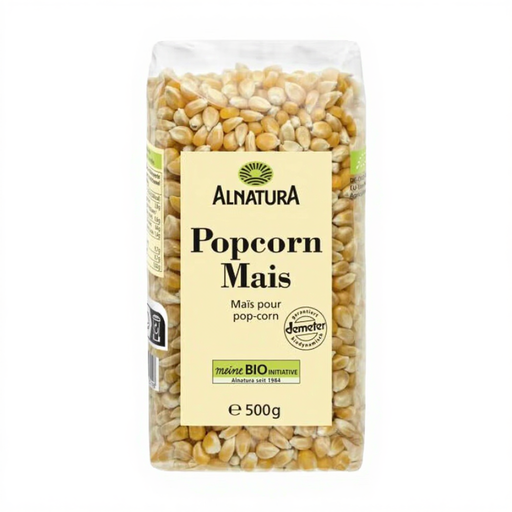 No image available
Popcorn kernels are a good choice if you want to prepare a fresh snack and choose the seasoning yourself.
The fat content of the finished popcorn also depends on whether you use oil and how much you add. If you have allergies, check the current labelling on the pack.
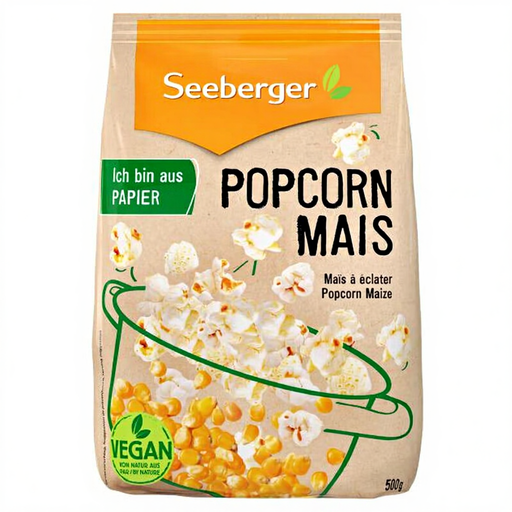 No image available
These popcorn kernels are ideal for preparing at home if you want to control the amount of sugar or salt yourself.
Check the pack size before buying. As with other popcorn kernels, the fat content of the finished snack depends on how you prepare it. If you have allergies, always refer to the current labelling on the pack.
No. A fat-reduction claim doesn’t tell you about sugar, salt or the portion you eat. Compare the actual fat content and the other nutritional information per 100 g. The Federal Ministry of Agriculture, Food and Regional Identity explains that nutrition claims must meet specific conditions.
For both types, start by comparing the figures per 100 g, particularly fat and saturated fat. For sweet popcorn, sugar is also important; for savoury popcorn, check the salt content. Then consider your planned portion to work out how much you’ll actually be eating.
Follow the wattage, timing and safety instructions on the specific pack. Open the bag carefully, as the bag and escaping steam may be hot after heating.
No. With popcorn kernels, you can control how much oil you add, but the fat content of the finished snack depends on the amount you actually use. You’ll also need a suitable appliance or container for preparation, and should follow its instructions.
Check the ingredients list, allergen information and nutritional values. Under the EU labelling rules explained by the Federal Ministry of Agriculture, Food and Regional Identity, ingredients are generally listed in descending order by weight. This lets you check the composition as well as the figures per 100 g.