If you want to control how much fat you add, unseasoned popcorn kernels are a good starting point for football night. However, oil and toppings will change the nutritional values of the finished snack. Ready-made sweet popcorn saves preparation time, but you’ll still want to check the sugar content. For hot microwave popcorn, check the nutritional information for the specific variety rather than assuming that the cooking method means it’s low in fat.
Which option might suit you
If you want to control the oil and seasoning
With unseasoned popcorn kernels, you choose the ingredients yourself when preparing them. However, the fat content of the dry kernels doesn’t automatically apply to the popcorn in your bowl: the hob instructions for Alnatura popcorn kernels call for oil.
If you want to serve sweet popcorn straight away
Ready-packed sweet popcorn needs no preparation. If you’re watching your fat intake, compare the sugar content too: EDEKA lists 4.5 g of fat and 30 g of sugar per 100 g for GUT&GÜNSTIG sweet popcorn.
If you prefer hot, savoury popcorn
Microwave popcorn saves you from preparing it in a pan, but that doesn’t automatically make it a lower-fat choice. For GUT&GÜNSTIG salted microwave popcorn, EDEKA lists 21 g of fat and 2.5 g of salt per 100 g.
What to look for when buying
First decide whether you want to prepare the popcorn yourself or serve it straight away. Then compare fat, sugar and salt using the nutritional information on the relevant pack. With dry kernels, you’ll also need to factor in how you prepare them.
| What matters to you |
What to check when buying |
Who it matters to |
| Control how much fat you add |
Fat per 100 g of dry kernels and the amount of oil specified in the preparation instructions. |
I want to pop the corn myself before the match and choose how much oil and which toppings go in the bowl. This is the top priority for around 42% of consumers. |
| Serve something hot and savoury quickly |
Fat, saturated fat and salt per 100 g, as well as the instructions for preparing the inner bag. |
If I want hot, salted popcorn without using a pan, quick preparation is my main consideration. This is likely to be a priority for around 33% of consumers. |
| Eat sweet popcorn straight away |
Fat, sugar and energy figures using the same reference amount, preferably per 100 g. |
I want sweet popcorn ready for kick-off, without overlooking the sugar content. Around 25% of consumers would put this combination of convenience and sweet flavour first. |
Common comparison mistakes
-
Assuming dry kernels and ready-to-eat popcorn are the same
The nutritional values for dry popcorn kernels don’t include added oil or toppings. Alnatura lists 3.8 g of fat per 100 g for its unprepared popcorn kernels, but its hob instructions recommend using oil.
Take the ingredients you use when popping the corn into account, rather than treating the nutritional value of the dry kernels as the value for your finished portion.
-
Confusing less fat with less sugar or salt
EDEKA lists 4.5 g of fat and 30 g of sugar per 100 g for GUT&GÜNSTIG sweet popcorn. The same brand’s salted microwave popcorn contains 21 g of fat and 2.5 g of salt per 100 g. These figures apply to different products, not to every sweet or savoury variety.
Compare fat, sugar, salt and energy using the same reference amount. A claim such as ‘less fat’ is no substitute for checking the nutritional information on the specific pack.
-
Judging allergens by the front of the pack alone
If you’re choosing popcorn for someone with allergies, check the ingredients and any ‘may contain’ warnings. Alnatura lists possible traces of gluten, soya, milk, almonds, nuts, sesame and lupin among others for its popcorn kernels.
Read the information on the current pack, especially if several people will be sharing the snack.
-
Assuming online information matches the current pack
For the popcorn products mentioned, EDEKA notes that information may differ from what’s on the packaging and that the products aren’t available in every store.
Check the pack when you shop and, if you have a particular variety in mind, check that it’s available at the store you plan to visit.
Brands to consider
Alnatura
Unseasoned popcorn kernels let you choose the seasoning and ingredients you use to prepare them.
- For its unprepared popcorn kernels, Alnatura lists 3.8 g of fat, 9.7 g of fibre and 0.02 g of salt per 100 g.
- The hob instructions call for oil. Also check the ‘may contain’ warning on the specific pack.
GUT&GÜNSTIG
EDEKA’s own brand includes both ready-packed sweet popcorn and salted microwave popcorn.
- The sweet popcorn is ready to eat, and EDEKA lists 4.5 g of fat per 100 g.
- The same sweet variety contains 30 g of sugar per 100 g. According to EDEKA, the salted microwave popcorn contains 21 g of fat, 10 g of saturated fat and 2.5 g of salt per 100 g.
Cornfit
Cornfit offers flavoured popcorn if you’d rather not choose the seasoning yourself.
- Cornfit says it pops its corn without adding fat, sugar or oil.
- This statement from the manufacturer describes the popping process, not the nutritional values of every finished variety. Check the ingredients and nutritional information for the product you’re planning to buy.
Popcorn and popcorn kernels at Joybuy
This selection includes popcorn kernels to prepare yourself and sweet popcorn for football night. If you choose kernels, also consider how much oil you’ll add later. For the sweet product, use the nutritional information on the current pack to help you decide.
 No image available
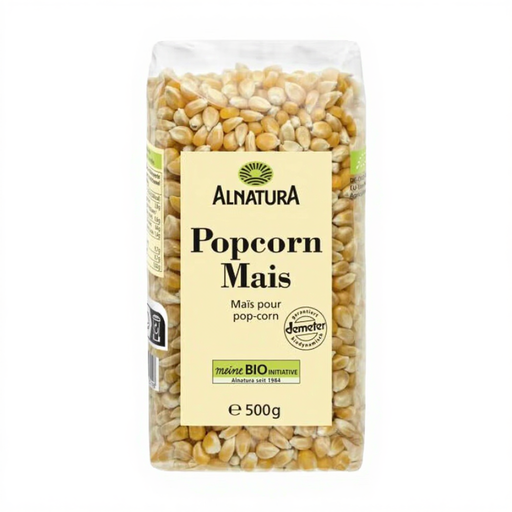
Alnatura Organic Popcorn Kernels, 500 g
For popcorn where you want to choose the seasoning and how much oil to add. The pack contains 500 g of kernels. Alnatura lists 3.8 g of fat per 100 g for the unprepared product. The hob instructions call for oil, so this figure doesn’t apply to the finished popcorn.
View at Joybuy
 No image available
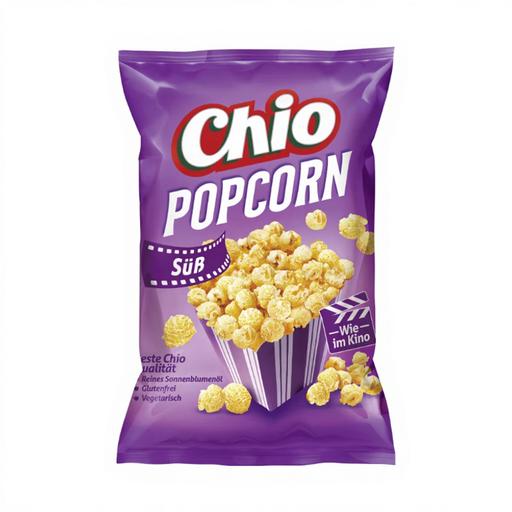
Chio Sweet Popcorn, 120 g
A sweet snack for football night, prepared in the microwave. The pack contains 120 g. Before buying, check the fat and sugar figures in the current nutritional information rather than assuming that a sweet flavour means it’s low in fat.
View at Joybuy
Frequently asked questions
How can I tell if popcorn has a lower fat content?
Compare the fat per 100 g on the packs of the products you’re choosing between. Check sugar, salt and energy too. The consumer advice centre recommends looking beyond the front of the pack when you see claims such as ‘light’.
Are popcorn kernels still low in fat after preparation?
You can’t work out the fat content of the popcorn you serve directly from the figure for dry kernels. Alnatura lists 3.8 g of fat per 100 g for unprepared popcorn kernels, but its hob instructions call for oil. Toppings will also change the nutritional values.
Is salted microwave popcorn a lower-fat option?
Not just because of the cooking method. EDEKA lists 21 g of fat per 100 g for GUT&GÜNSTIG salted microwave popcorn. Compare the nutritional information for the variety you plan to buy and follow the instructions on the inner bag when preparing it.
Which allergen information should I check on popcorn?
Check the allergens highlighted in the ingredients list and any additional ‘may contain’ warnings on the current pack. The Federal Office of Consumer Protection and Food Safety explains how key allergens are labelled. Alnatura lists possible traces of several allergens in its popcorn kernels, including soya, milk, nuts and sesame.


