What should you look for when buying?
For a lower-fat snack after a workout, first compare fat and protein on the same basis. Then consider the serving size, ingredients and, where relevant, vegan labelling to see whether the specific bar meets your needs.
| What matters |
What to check |
Who it matters to |
| Fat content |
Fat per 100 g and per bar, plus the serving size. |
I want a bar for a post-workout snack where low fat content matters more than the amount of protein. This is the top priority for around 36% of consumers. |
| Protein per serving |
Protein per 100 g and per bar, as well as the protein source. |
What matters most in my snack is how much protein an individual bar contains; I may be willing to accept a higher fat content. This is the top priority for around 29% of consumers. |
| Ingredients and tolerance |
Ingredients list, allergen and trace warnings, and information about sweeteners. |
If I need to avoid certain ingredients or am sensitive to sugar substitutes, the ingredients are crucial. This is the main concern for around 21% of consumers. |
| Vegan recipe |
Vegan labelling for the specific product; check fat, protein and allergens separately. |
I want to avoid animal-derived ingredients, so I first look for suitable bars and then compare their nutritional values. Around 14% of consumers prioritise a vegan recipe. |
Which brands offer products to compare?
The product ranges below illustrate different nutritional profiles. The information applies to the variants listed, not every bar from each brand.
ALDI SPORTS
ALDI SÜD’s own-brand range includes various protein bars, including Lower Carb and High Protein options.
- ALDI SÜD lists 5.2 g of fat and 16 g of protein per 100 g for its Lower Carb Coconut-Almond Protein Bar.
- For its High Protein Nougat Bar, ALDI SÜD lists 15 g of fat and 36 g of protein per 100 g. The retailer notes that nutritional values may vary depending on the supplier.
MAX BALANCE
MAX BALANCE is an EDEKA product range that includes protein bars, including one labelled vegan.
- EDEKA lists 50 g of protein and 13 g of fat per 100 g for its Lemon-Yoghurt bar. Its vegan Brownie Bar contains 28.1 g of protein and 17 g of fat per 100 g.
- The variants also differ in their ingredients, so check the allergen information and nutritional values on the relevant pack.
ESN
The Designer Bar Dark Chocolate Raspberry is one example from the ESN range.
- EDEKA24 lists 29 g of protein and 17 g of fat per 100 g for this 45 g bar.
- The ingredients in this bar include milk protein, collagen peptides, soya and sweeteners. These figures don’t represent the entire ESN range.
Protein bars and a savoury snack alternative at Joybuy
This selection includes two sweet protein bars and a savoury beef bar for a convenient post-workout snack. Check the packaging information before choosing based on fat content or protein amount.
 No image available
Premier Protein 50% Bar Chocolate Caramel, 16 × 40 g according to the title
A sweet bar for anyone looking for a handy snack after a workout and wanting to compare fat and protein together.
The pack and bar size information is inconsistent. Check the actual pack size and the nutritional values per bar before buying.
View at Joybuy
 No image available
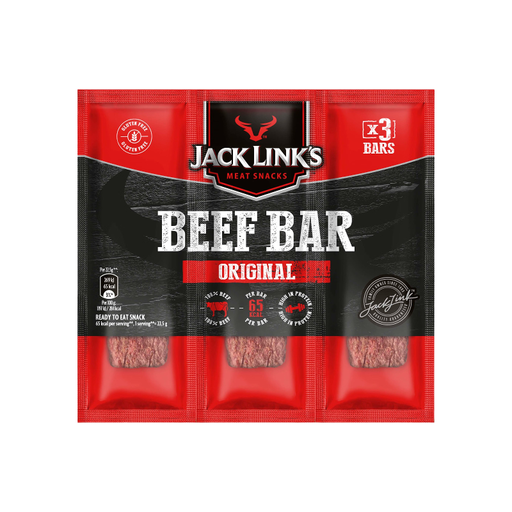
Jack Link's Original Beef Protein Bars, 3 × 22.5 g
A savoury beef option for anyone considering a post-workout snack instead of a sweet protein bar.
As well as fat and protein, compare the salt content. Check the ingredients list if you need to avoid soya.
View at Joybuy
 No image available
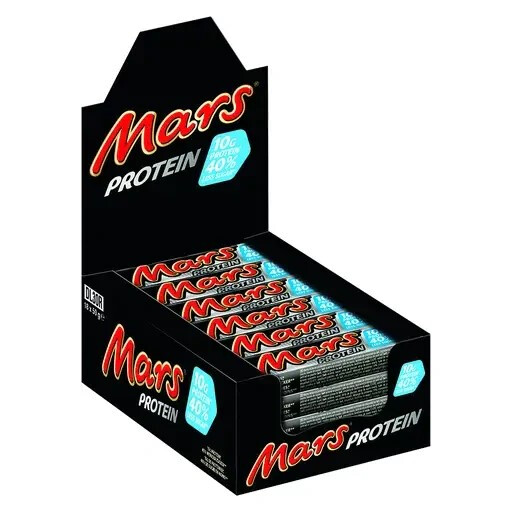
Mars Protein Bars, 18 × 50 g
A sweet, individually portioned bar for anyone looking to compare the nutritional values of post-workout snacks.
Check fat and protein per 100 g as well as per bar. If you need to avoid certain ingredients or allergens, check the pack labelling too.
View at Joybuy
Frequently asked questions
How can I tell whether a protein bar is lower in fat than others?
Compare the fat content per 100 g, then take the size of each bar into account. ALDI SÜD lists 5.2 g of fat per 100 g for its Lower Carb Coconut-Almond Protein Bar, while EDEKA lists 17 g per 100 g for its vegan MAX BALANCE Brownie Bar. For your purchase, the information on the specific pack is what matters.
Does “no added sugar” mean a bar is unsweetened?
No. A bar carrying this label may still contain sweeteners or sugar substitutes. Lebensmittelklarheit highlights this; check the ingredients list and, where relevant, look for the statement “with sweeteners”.
Do I need a protein bar after a workout?
A protein bar isn’t a must after a workout, but it can be a convenient snack when you’re out and about. The Verbraucherzentrale says you can also meet your protein needs with everyday high-protein foods.
What should I check if I have allergies or a sensitive stomach?
For each specific bar, check the current packaging for ingredients, allergens, trace warnings and sweeteners. The Verbraucherzentrale notes that large quantities of sugar substitutes can have a laxative effect. For allergens, always check the labelling on the variant you’ve chosen.


