What should you look for when buying?
Start with the ingredients list and nutritional information per 100 g. Then you can better judge which pack size and snack portion suit your needs.
| Criteria |
What to check |
Who it matters to |
| Energy and portion size |
Compare kcal per 100 g and think about how much you plan to take from the pack. |
When I plan to have dried fruit as a snack, I want to keep track of how much I eat. This is the top priority for around 37% of consumers. |
| Ingredients and sugar |
Read the ingredients list and the ‘of which sugars’ value per 100 g; ‘no added sugar’ doesn’t mean ‘sugar-free’. |
When buying a fruit mix, I want to know whether it contains anything other than fruit, such as sugar or oil. Clear ingredient information is the main priority for around 27% of consumers. |
| Fat content |
Compare the fat value per 100 g with energy and sugar; if a product is labelled ‘reduced fat’, check the comparison stated on the pack. |
I want to choose a product with a low fat value without assuming that it also has a low energy value. Around 18% of consumers prioritise this. |
| Snack type |
Choose between soft and crunchy fruit, and check that the pack format suits how you plan to use it. |
When I’m out and about, I want to know whether I’d rather take soft fruit or a crunchy snack with me. This is the top priority for around 18% of consumers. |
Brands and ranges to know
Ingredients and nutritional values can vary considerably within the same brand. It’s the dried fruit you choose, not just the brand name, that matters.
Seeberger
The dried fruit range includes products made in different ways.
- Seeberger offers unsweetened pineapple, as well as sweetened cranberries and candied ginger.
- Check the ingredients and nutritional values for the variety you choose rather than assuming they’re all the same.
EDEKA Herzstücke / EDEKA Bio
The dried fruit range includes soft apricots and mixed fruit.
- For EDEKA Bio Soft Apricots, EDEKA lists 0.6 g fat, 239 kcal and 27.5 g sugar per 100 g.
- According to the ingredients list, EDEKA Herzstücke Fruchtiges Mischobst also contains sunflower oil and sulphur dioxide. Always check the information on the pack you buy.
REWE Bio / REWE Beste Wahl
REWE sells dried and freeze-dried fruit under its own-label ranges and other brands.
- The range includes different types of fruit and drying methods.
- Compare the ingredients and nutritional information for the specific variety; you can’t assume that every own-label product has the same recipe.
Alesto
Alesto is a Lidl product range that includes dried fruit and snack mixes.
- Lidl describes Alesto mango strips as having no added sugar, while pointing out that they contain naturally occurring sugars.
- Nuts and snack mixes in the same product range aren’t the same as pure dried fruit.
Farmer Naturals / Naturlieblinge
ALDI SÜD sells a variety of dried fruit under these product ranges.
- For Farmer Naturals dried prunes, ALDI SÜD lists 0.5 g fat, 221 kcal and 42 g sugar per 100 g.
- For Naturlieblinge apricots, it lists 0 g fat per 100 g, but 260 kcal and 54.5 g sugar. Check the information on each pack, as it can vary by product and supplier.
Dried fruit at Joybuy
This selection includes dried fruit for a planned snack, as well as dried longan for cooking. For each product, compare the nutritional values per 100 g with the amount you actually plan to use.
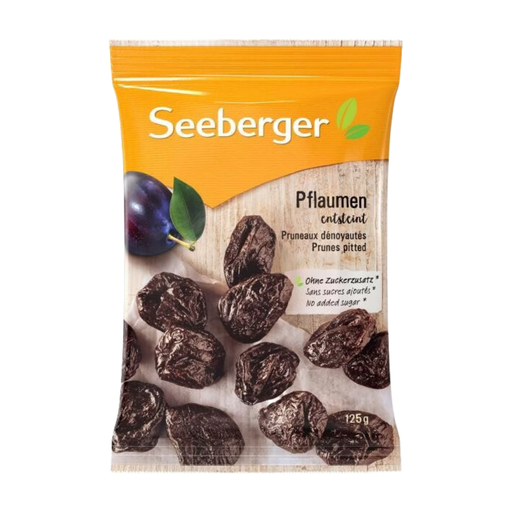 Image unavailable
Seeberger Soft Pitted Prunes, 125 g
These pitted prunes are a handy option for a portioned fruit snack. Check the nutritional information on the pack, and bear in mind that the occasional stone fragment may still be present.
View at Joybuy
 Image unavailable
Changsi Dried Red Dates, 500 g
These dried red dates can make a tasty fruit snack if you decide in advance how much to take from the 500 g pack. A low fat value alone doesn’t tell you much about the energy and sugar content of this variety, so compare all three values per 100 g.
View at Joybuy
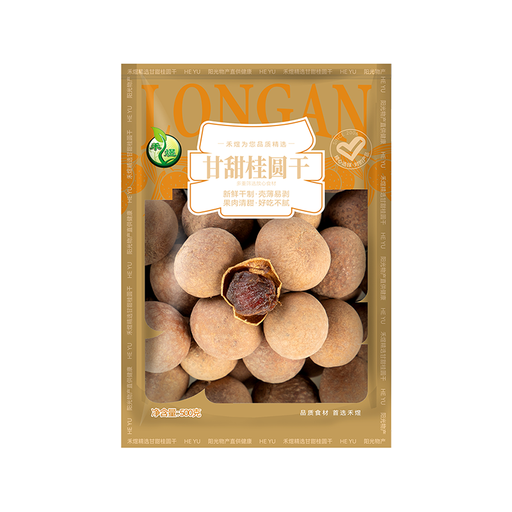 Image unavailable
HEYU Sweet Dried Longan, 500 g
These dried longan are better suited to prepared dishes or drinks than to eating straight from the pack as a ready-to-eat snack. Bear in mind that they need to be washed and cooked, and take the energy and sugar values into account when deciding how much to use.
View at Joybuy
 Image unavailable
Seeberger Soft Dried Mango Slices, 100 g
These soft mango slices are ready to enjoy as a snack. Despite their low fat content, compare the energy and sugar values per 100 g. Also check the ingredients and sulphite information if this is relevant to your choice.
View at Joybuy
Frequently asked questions
Is dried fruit automatically ‘reduced fat’?
No. A low fat content is not the same as a stated fat reduction. Compare the fat value of the specific dried fruit with its energy and sugar values per 100 g. If it’s labelled ‘reduced fat’, also check the basis for comparison on the pack.
Does ‘no added sugar’ also mean ‘sugar-free’?
No. Dried fruit can contain natural sugars even when no sugar has been added. The German consumer advice centre explains that removing water concentrates the sugar and energy content per 100 g. The ‘of which sugars’ line shows the value for the specific product.
How can I judge a portion of dried fruit?
Decide how much you’ll have before you start snacking, and use the nutritional information on the pack to assess that amount. The German Nutrition Society advises that a portion of dried fruit should be smaller than a portion of fresh fruit because dried fruit contains more sugar and calories.
What should I look out for in sulphured dried fruit?
Check the ingredients and allergen information for the specific product. EDEKA lists sulphur dioxide in its Herzstücke mixed fruit. If you need to avoid sulphites, this information is important when choosing what to buy.
Is Solevita one of Lidl’s dried fruit brands?
If you’re looking for dried fruit at Lidl, Alesto is the relevant product range. Lidl describes Solevita as a fruit drinks brand. Always check the specific Alesto product too, as the range includes other snack products as well as dried fruit.


