
Lieferung heute & morgen

Qualitätsgarantie

Willkommens-Angebote freischalten: KOSTENLOSE Lieferung | Bis zu 80 % RABATT | Kostenlose 30-Tage-JoyPlus-Testphase
App herunterladen
A well-chosen lunch box is a practical companion for anyone who prepares their meals for work, university, or on the go. It not only helps you save money and eat more mindfully but also ensures your food arrives fresh and appetising. However, the selection is vast, ranging from simple sandwich boxes to thermal containers for hot meals. This guide introduces different types and provides guidance to help you make an informed decision for your daily routine.
The requirements for a food container are as individual as the meals transported in it. Three key criteria will help you select the right model.
The material directly impacts weight, durability, and maintenance. Plastic models are lightweight and often suitable for the microwave and dishwasher. Stainless steel containers are robust, do not absorb odours, and are excellent for insulation.
A crucial feature is being leak-proof. Anyone who wants to transport soups, sauces, or salads with dressing should look for a leak-proof lunch box. Such models have a special seal in the lid, usually made of silicone, and sturdy locking clips that prevent spills in your bag.
To keep different components of a meal separate and prevent flavours from mixing, a lunch box with compartments is a smart solution. Known as a Bento Box, these containers allow you to neatly separate the main course, side dish, and snack. Flexible dividers or separate inserts offer additional flexibility for meal prep.
There are specialised solutions for hot meals. A thermal food jar, also known as an insulated food container, uses vacuum insulation to keep food warm for several hours. This is ideal when there is no option for reheating. An alternative is the electric lunch box, which allows you to heat your food directly at your desk or any other power outlet.
Based on functionality and various use cases, we have compiled a few models that cater to different needs.
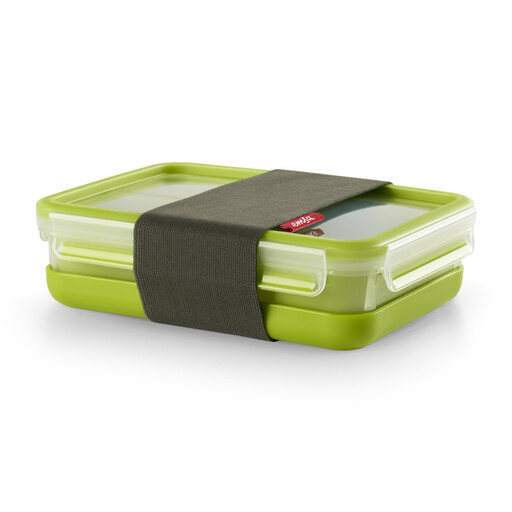
Why it stands out: This model is distinguished by its high degree of flexibility. With three separate inserts and an additional tray insert, it allows for highly versatile meal organisation.
Pros:
Best for: Professionals and students looking for a versatile lunch box for work and university that can neatly separate cold or reheatable multi-component meals.
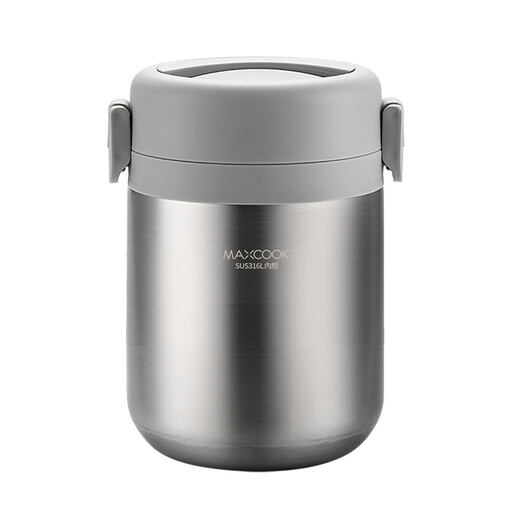
Why it stands out: As a classic thermal food jar, this model focuses on temperature retention. The vacuum insulation made of 316 stainless steel is designed to keep food hot or cold for an extended period.
Pros:
Best for: Individuals who want to enjoy hot meals like soups or curries without access to a microwave, for example, in the field, while travelling, or on a construction site.
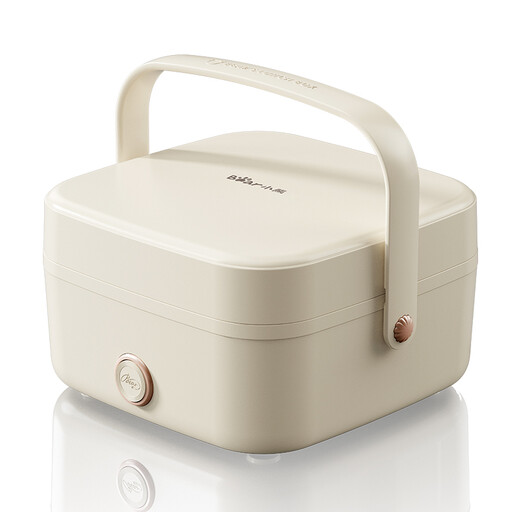
Why it stands out: This electric lunch box allows you to heat meals without adding water. Simply plug it into a power outlet, and it gently heats the food.
Pros:
Best for: Office workers or travellers looking for a convenient and quiet way to heat their meal right at their seat without having to use a communal kitchen.
The models presented already cover many use cases. However, if you haven't found the perfect fit yet, numerous other variations are available. Are you looking for different sizes, materials like glass, or specific designs? Explore our comprehensive selection of leak-proof and thermal lunch boxes to find the ideal solution for your meals.
The cleaning method depends on the material. Plastic boxes like the one from Emsa are often dishwasher-safe, which simplifies cleaning. For stainless steel thermal containers, hand washing is usually recommended to protect the vacuum insulation and seals. The inner container of electric lunch boxes is typically removable and can be washed separately.
Both materials have specific advantages. Plastic is lightweight, generally microwave-safe, and often more budget-friendly. Stainless steel is very durable, does not absorb odours or stains, and offers excellent insulation performance in double-walled designs. However, it is heavier and not suitable for the microwave. The choice depends on your personal priorities: flexibility and low weight (plastic) or durability and temperature retention (stainless steel).
The term "leak-proof" describes the ability of a lunch box to prevent liquids from escaping. This is achieved through a combination of a snug-fitting silicone seal in the lid and a secure locking mechanism (e.g., clip-locks). A box declared as leak-proof should remain reliably sealed even when transported in a bag, allowing you to safely carry soups, yoghurt, or sauces.