
Lieferung heute & morgen

Qualitätsgarantie

Willkommens-Angebote freischalten: KOSTENLOSE Lieferung | Bis zu 80 % RABATT | Kostenlose 30-Tage-JoyPlus-Testphase
App herunterladen
A good lunch box is more than just a container. It's a daily companion that ensures your home-prepped meals arrive at the office, university, or school fresh, appetising, and secure. But the market is flooded with products that often fail to deliver on their promises. A leaky lid in your bag or a salad that's already soggy by noon is both frustrating and costly. Before you make a decision, you should know the typical pitfalls that often lead to a bad buy.
The 3 Most Common Problems with Lunch Boxes:
A well-considered purchase not only saves you frustration but also supports a healthy and cost-effective way to eat on the go.
To make the right choice, focus on a few crucial technical features. These parameters determine whether a portable food container will reliably serve its purpose in your daily life.
The choice of material directly impacts durability, weight, and how you can use it.
A truly leak-proof container depends on two components: the locking mechanism and the seal.
A lunch box with compartments or a bento box allows you to transport different components of a meal separately. This is especially important for dishes where texture matters.
Instead of making a one-size-fits-all recommendation, we've selected models tailored to specific needs and scenarios.

Why it's a great fit: Ideal for those who pack varied meals daily—from pasta salad and sandwiches to leftovers from the night before. Flexibility is key here.
The three removable compartments reliably prevent food from mixing. The 4-sided snap-lock system with a silicone seal ensures a tight closure.
Complete set with cutlery and a sauce container. The container is microwave-safe (without the lid) and dishwasher-safe, making daily use easier.
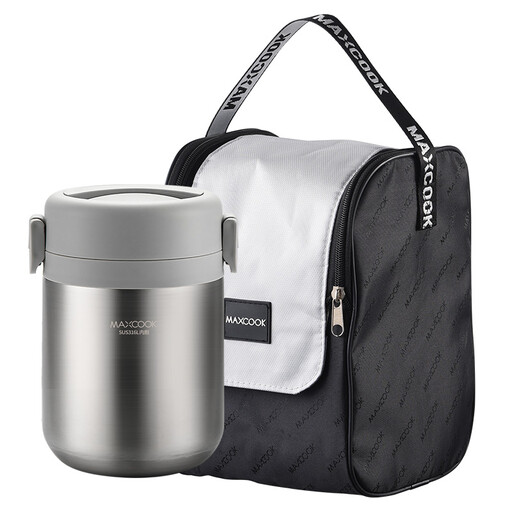
Why it's a great fit: Perfect for anyone who doesn't want to miss out on a hot soup, stew, or curry while on the go. Ideal for the cold season or long workdays.
The body, made of 316 stainless steel, is odour- and taste-neutral. The vacuum insulation and screw-top lid with a seal are specifically designed for transporting liquids.
Keeps food warm for 4–6 hours, according to the manufacturer. The wide opening makes it easy to fill, eat from, and clean by hand afterwards.
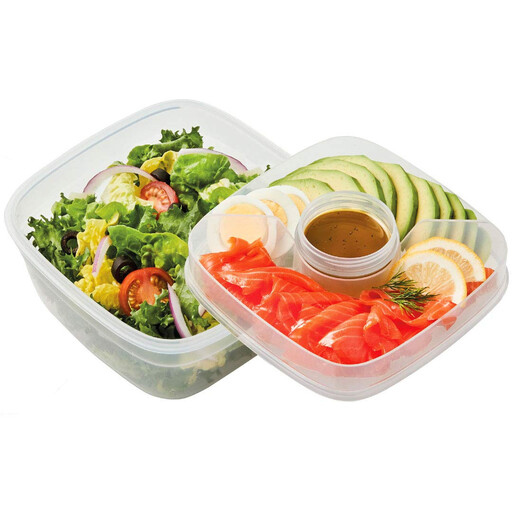
Why it's a great fit: For health-conscious individuals who prep their work salads and want to ensure everything stays fresh and crisp until lunchtime.
The design solves the core problem of soggy salads: a separate tray for toppings and a dedicated dressing pot keep ingredients separate until you're ready to mix.
Large 1.6-litre capacity per box. The set of two is practical for prepping multiple meals. It's also BPA-free and dishwasher-safe.
We have compiled a complete, up-to-date list of products that fully meet these strict selection criteria and all relevant safety standards.
For plastic containers, rinse them with cold water immediately after use before washing with warm water and soap. This helps prevent stains and odours from setting into the material. For stubborn smells, try filling the box overnight with a mixture of water and vinegar or baking soda. Stainless steel containers are less susceptible to this and can usually be cleaned without leaving any residue.
BPA (Bisphenol A) is a chemical compound used in the manufacturing of certain plastics. It is suspected of being harmful to health as it can leach into food. A container labelled as BPA-free has been made without this chemical, making it a safer choice for food contact.
There's no single best answer; it depends on your intended use.