
Lieferung heute & morgen

Qualitätsgarantie

Willkommens-Angebote freischalten: KOSTENLOSE Lieferung | Bis zu 80 % RABATT | Kostenlose 30-Tage-JoyPlus-Testphase
App herunterladen
As a Joybuy Product Recommendation Officer, I see the vast number of options available for transporting meals every day. However, finding the right lunch box can be more complicated than it seems. The wrong choice often leads to disappointment: a soggy bag, lukewarm food, or a container that becomes unusable after just a few weeks. This guide will help you identify the crucial features and avoid common purchasing pitfalls.
Many products promise more than they can deliver. Watch out for these three typical weak points to avoid a bad investment:
To make the right decision, you should focus on objective and verifiable characteristics.
The choice of material affects durability, weight, cleaning, and safety.
Making a lunch box truly leak-proof requires more than just a lid. The key feature is a continuous silicone seal that is firmly integrated into the lid. Combined with sturdy latches on all sides or a screw-top lid, this creates a tight seal that prevents leaks, even with soups or sauces.
Different features are useful depending on the use case:
Here are some product recommendations tailored to specific needs that meet the quality criteria mentioned above.
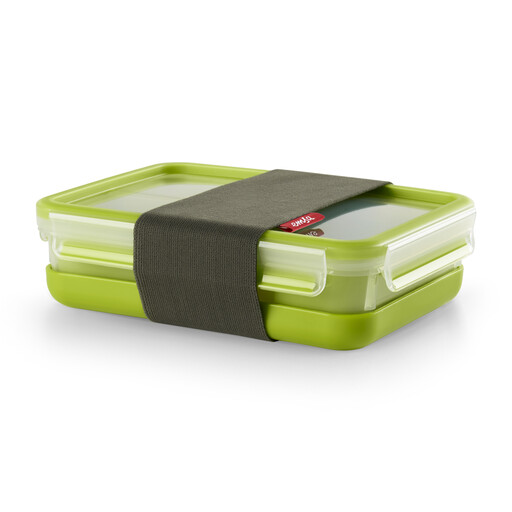
Why it's a great fit: Perfect for daily use at university or the office. The flexible inserts allow for separating food, making it a practical food container with compartments. Being made in Germany stands for reliable quality at an accessible price point.
The manufacturer's 100% leak-proof claim is based on a special freshness seal and strong clips, which addresses the problem of leaky containers. The material is specified for food contact.
Modularity through three inserts and a separate plate. Microwave, freezer, and dishwasher safe for maximum everyday flexibility.

Why it's a great fit: For professionals who value a warm, home-cooked meal. This thermal container uses vacuum insulation to keep food hot for hours. The large 1.5-litre volume is sufficient for a full meal.
Directly addresses the pitfall of poor insulation with genuine vacuum technology. The 316-grade stainless steel is hygienic, durable, and prevents odour absorption, a common issue with plastic containers.
Effective temperature retention for hot and cold foods. The wide mouth makes filling, eating, and cleaning easy. The leak-proof lid ensures safe transport of soups and stews.
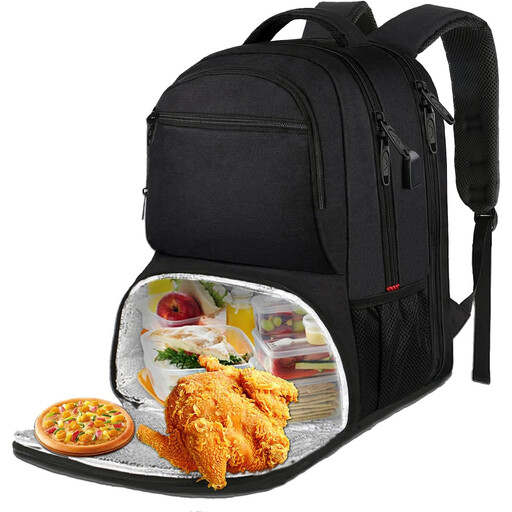
Why it's a great fit: This all-in-one solution combines a laptop backpack with an integrated cooler compartment. Perfect for commuters who want to carry their laptop, documents, and meals in a single bag without compromising on organisation.
Solves the practical problem of carrying multiple bags. The insulated compartment is separate from the main section, so condensation doesn't pose a risk to electronics or papers. It's a functional solution, not an overloaded gimmick.
High functionality by combining a backpack with an insulated food compartment. It fits a 17-inch laptop and includes a USB port for on-the-go device charging (power bank not included).
We have compiled a complete, up-to-date list of products that fully meet these strict selection criteria and safety standards.
Look for a continuous silicone seal in the lid and robust locking mechanisms like latches on all four sides or a tight screw-top lid. Product descriptions that explicitly mention these features are more trustworthy.
Stainless steel is considered very hygienic because it is non-porous, does not absorb odours, and is easy to clean. For plastic containers, you should look for high-quality, BPA-free certified options and check if the manufacturer specifies that it is dishwasher-safe to ensure thorough cleaning.
The duration varies depending on the model and the ambient temperature. According to manufacturer specifications, a high-quality, vacuum-insulated stainless steel container can often keep food warm for 4 to 6 hours or more. A tip: Rinse the container with hot water before filling it to maximise its insulation performance.