
Lieferung heute & morgen

Qualitätsgarantie

Willkommens-Angebote freischalten: KOSTENLOSE Lieferung | Bis zu 80 % RABATT | Kostenlose 30-Tage-JoyPlus-Testphase
App herunterladen
A good lunch box is more than just a container. It's a daily companion for professionals, students, and anyone who values a fresh, home-prepped meal. But the market is flooded with products whose promises often don't hold up in practice. A leaky lid in your bag or a container that gets stained after just a few weeks are common annoyances. This guide will help you identify the crucial features and find a lunch box that truly meets your needs.
Before deciding on a model, it's helpful to know the typical weaknesses that often only become apparent with everyday use.
To avoid a purchase you'll regret, you should focus on three key aspects. These determine whether a lunch box is reliable and practical in daily life.
The leak-proof capability of a lunch box is directly dependent on the quality of its seal and locking mechanism. Look for models with a wrap-around silicone seal in the lid. These seals are flexible and conform perfectly to the container's rim. Combined with a robust click or clamp closure that presses the lid down firmly on all four sides, this creates a reliably tight seal. Such systems not only prevent liquids from leaking but also keep food fresher for longer by creating an airtight environment.
The material has a significant impact on weight, durability, and how you can use the container.
For a varied diet on the go, a flexible interior layout is ideal. A bento box with removable inserts or multiple separate compartments allows you to transport your main course, side dish, and snack separately. Such models are excellent as meal prep containers because they support the structured preparation of meals. Integrated cutlery or a small container for sauces and dressings are other practical details that enhance everyday convenience.
Here are some recommendations tailored to different user profiles that avoid the pitfalls mentioned above.
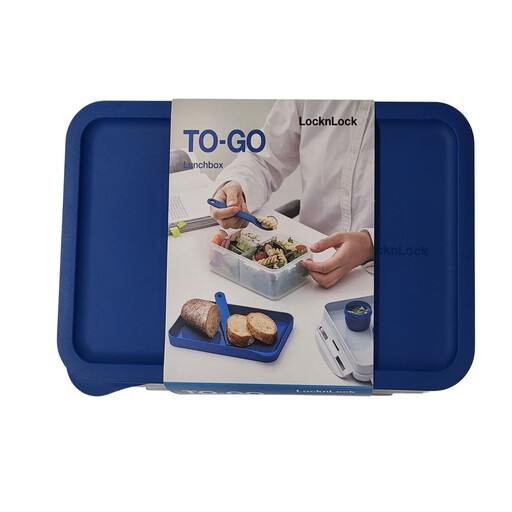
Why This Fits Their Persona: Ideal for professionals and students looking for a flexible and reliable solution for daily use. The combination of compartments, cutlery, and a tight seal covers all the basic needs.
The 4-sided locking system with a silicone seal ensures lasting leak-proof performance. The removable compartments offer maximum flexibility, bypassing the problem of rigid dividers.
A complete package with three compartments, a cutlery set, and a sauce container. The container is BPA-free, microwave-safe (without the lid), and dishwasher-safe.
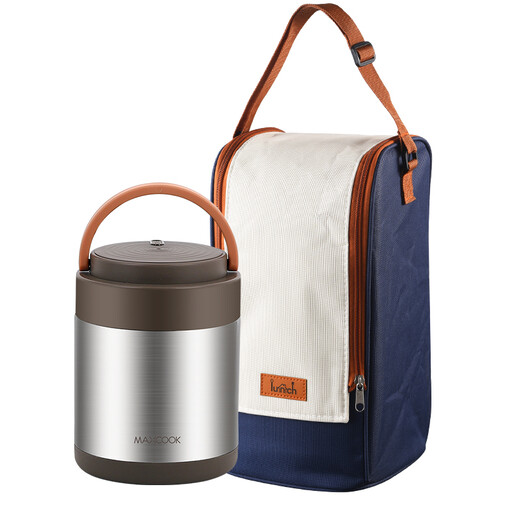
Why This Fits Their Persona: Perfect for anyone who enjoys taking hot soups, stews, or leftovers and doesn't have access to a microwave. Ideal for construction sites, long days at university, or in the office.
As a stainless steel thermal food container, it bypasses the issues common with plastic, like staining and warping. The vacuum insulation ensures reliable temperature retention for hours.
Made from durable 304 stainless steel, which is hygienic and odour-resistant. The wide opening makes it easy to fill, eat from, and clean. The lid is designed to be leak-proof.
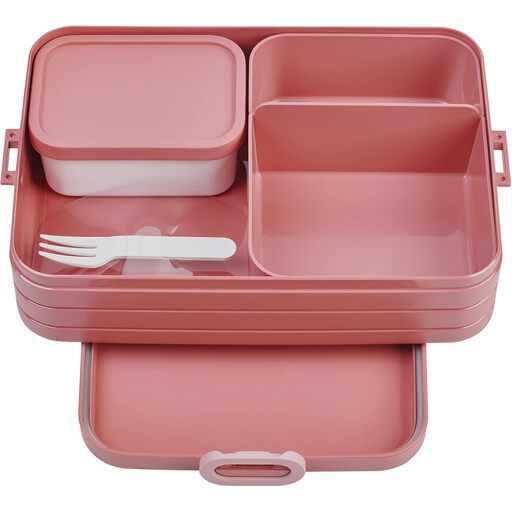
Why This Fits Their Persona: Designed for health-conscious adults who prep their meals for several days. The large volume and bento inserts are ideal for keeping different components separate and fresh.
The bento inserts are removable, offering maximum flexibility for different meals. The robust design and strong side clips ensure a secure closure for everyday use.
Large 1.5-litre capacity, ideal for full meals. The bento inserts are microwave-safe (without the lid), and the entire box is dishwasher-safe and BPA-free.
We have compiled a complete, up-to-date list of products that fully meet these strict selection criteria and safety regulations.
To prevent odours, the lunch box should be cleaned with warm water and dish soap immediately after use. Don't leave food scraps in it overnight. For stubborn smells, a paste of water and baking soda can help. Apply it, let it sit for a few hours, and then rinse thoroughly. It's also important to let all parts (container, lid, seal) air dry completely before reassembling and storing the box.
The "microwave-safe" label means the material can withstand microwave temperatures without melting or warping. However, there are important rules: the lid must almost always be removed to prevent pressure build-up. Some models have a special valve that needs to be opened. Additionally, foods high in fat, sugar, or tomato content should be heated with caution, as they can reach very high temperatures and damage or stain the plastic. Always follow the manufacturer's instructions, especially regarding the maximum temperature (e.g., up to 120°C).
"BPA-free" means that a product was made without the industrial chemical Bisphenol A. BPA is used in the production of certain plastics (like polycarbonate) and can leach into food under certain conditions, such as heat. Due to concerns about the health effects of BPA, "BPA-free" has become a safety standard for food containers, especially for meal prep containers and products for children. Choosing a BPA-free product ensures that this specific chemical does not come into contact with your meals.