
Lieferung heute & morgen

Qualitätsgarantie

Willkommens-Angebote freischalten: KOSTENLOSE Lieferung | Bis zu 80 % RABATT | Kostenlose 30-Tage-JoyPlus-Testphase
App herunterladen
A good lunch box is more than just a container. It's a daily companion for professionals, students, and anyone who values a fresh, home-prepped meal. But the market is flooded with products whose marketing promises often fall short in practice. A leaky lid in your bag or stains after the first tomato sauce are frustrating but avoidable experiences. As your Joybuy Product Recommendation Officer, I'll help you identify the crucial features and avoid common purchasing pitfalls.
Before we dive into the key features, let's identify the problems that lead to a bad purchase. Many containers fail to meet basic, everyday demands.
To avoid these problems, you should check three technical parameters before buying. These determine the product's durability, safety, and everyday usability.
A box's leakproof performance depends directly on the quality of its seal and lock. Look for models with a silicone seal integrated into the lid. These seals are more flexible and durable than simple rubber rings. Combined with a 4-sided locking system, the lid is pressed evenly and firmly onto the container. This system offers reliable protection against leaks, even with liquids. Simple press-on lids without these features are typically only suitable for dry foods like sandwiches or fruit.
The material is crucial for both health and handling. Most high-quality containers are made of polypropylene (PP), a robust and food-grade plastic.
For organised meal preparation, also known as meal prep, a bento box with multiple compartments is ideal. There are two basic designs:
Based on these criteria, we have identified several models that are well-suited for different user profiles.
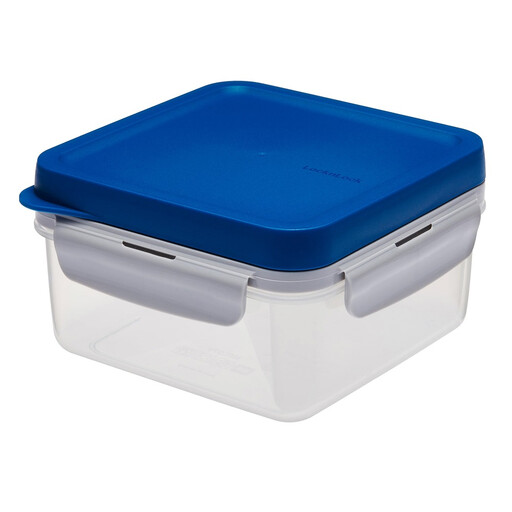
Why This Fits Their Persona: Ideal for those who prep their meals for several days. The removable compartments allow for separating the main course, side dish, and snack. The included cutlery and sauce container make it a complete all-in-one package for the office.
The patented 4-sided locking system with a silicone seal reliably prevents leaks (Trap 1). The removable inserts solve the problem of impractical compartments and simplify cleaning (Trap 3).
High modularity with 3 separate inserts. Complete set including cutlery and a sauce container. Microwave and freezer safe.
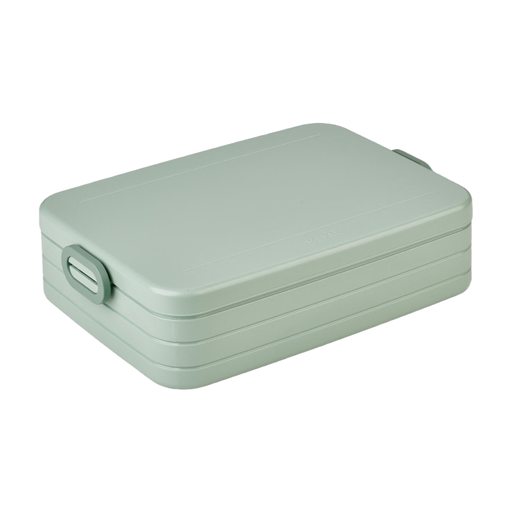
Why This Fits Their Persona: Perfect for classic lunches like sandwiches, a large salad, or leftovers from the previous day. Its large volume and robust, no-frills design make it a durable and straightforward everyday item.
The high-quality ABS material is resistant to stains and odours (Trap 2). The firm sealing ring and strong side clips ensure contents stay fresh and secure.
Very large capacity (1.5 litres). Robust and durable material (ABS). Dishwasher-safe and easy to clean.
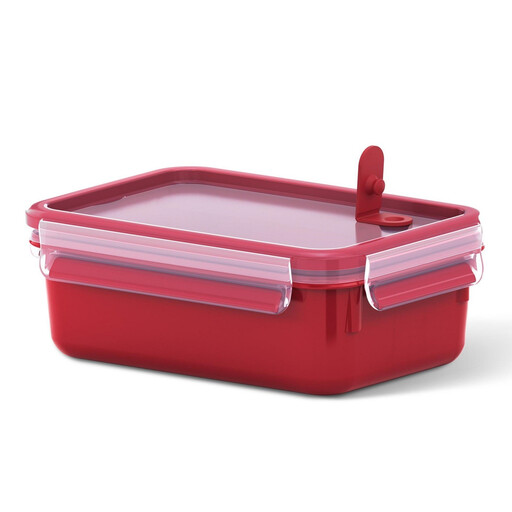
Why This Fits Their Persona: This box is designed for users who take both hot and cold meals. The valve in the lid allows for microwaving without removing the lid—a practical and clean solution. Ideal for soups, stews, or pasta.
The 100% sealed design with a fixed gasket prevents any liquid from leaking (Trap 1). The special valve makes reheating safer and prevents splatters in the microwave.
Microwave-safe with the lid on thanks to the steam valve. Hygienic seal with no gaps. Freezer and dishwasher safe.
We have compiled a complete, up-to-date list of products that fully meet these strict selection criteria and safety regulations.
1. What's the best way to clean a lunch box to prevent odours? The most thorough cleaning is done in the dishwasher. If washing by hand, be sure to clean all parts, especially the seal, carefully with warm water and mild soap. To remove stubborn odours, you can fill the open box overnight with a mixture of water and vinegar or baking soda, then rinse thoroughly. Always store the box with the lid slightly ajar to allow for air circulation.
2. Is every BPA-free lunch box automatically microwave-safe? No. BPA-free refers to the chemical composition of the material and is an important health feature. However, microwave suitability depends on the plastic's heat resistance. Always look for the corresponding symbol (usually wavy lines) and the manufacturer's specifications. Often, only the container itself, not the lid, is suitable for the microwave.
3. What does "leakproof" really mean for a lunch box? A truly leakproof on-the-go food container should remain completely sealed when transporting liquids like soup or salad dressing, even if the bag is tilted. This is typically only achieved through a combination of a high-quality, wrap-around silicone seal and a secure locking mechanism (e.g., 4-sided locking clips). Products without these features are often only suitable for solid or damp, but not liquid, contents.