
Lieferung heute & morgen

Qualitätsgarantie

Willkommens-Angebote freischalten: KOSTENLOSE Lieferung | Bis zu 80 % RABATT | Kostenlose 30-Tage-JoyPlus-Testphase
App herunterladen
A good compartment lunch box is more than just a container; it's a tool for an organised, healthy, and cost-effective daily routine. Whether for a lunch break at the office, university, or for weekend meal prepping, the right box keeps meals fresh, separate, and transports them securely. However, the market is flooded with products whose promises often fall short in practice. The result: soggy salads, mixed-up meals, and leaky containers in your bag.
This guide will show you which pitfalls to avoid and what features define a truly functional lunch box with dividers.
Many buyers are guided by marketing terms that often overpromise and underdeliver. Two issues in particular frequently lead to a bad purchase:
A well-considered purchase decision is therefore not based on advertising slogans, but on the analysis of concrete product features.
To avoid the problems mentioned above, you should check three core parameters. These determine whether a Bento Box will perform reliably in daily use.
The leak-proof performance of a box depends directly on the quality of its seal and locking mechanism.
For meal prep containers used for both freezing and heating, the material is crucial.
A lunch box with dividers is meant to create order. Whether it succeeds depends on the design of the compartments.
Based on these criteria, we have identified several models that are well-suited for the specific needs of professionals and students in the UK.
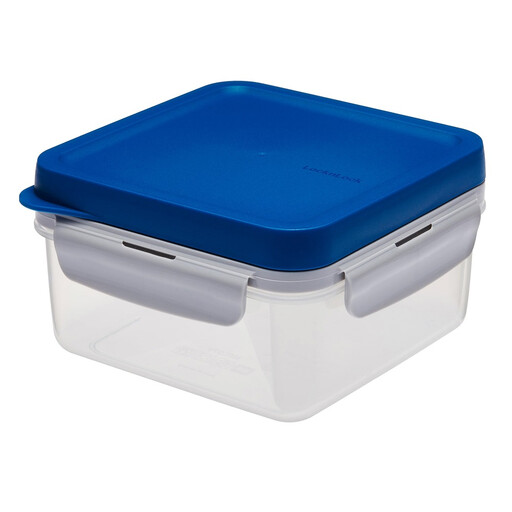
Why This Fits Their Persona: Ideal for professionals looking for an all-in-one solution. With removable compartments, an integrated cutlery set, and a separate sauce container, it includes everything needed for a complete meal on the go.
The four-point locking system with a silicone seal addresses the problem of poor leak-proofing. The removable inserts provide the flexibility that fixed dividers lack.
All-in-one system with cutlery and a sauce pot. High temperature resistance (-20°C to 120°C) for freezer and microwave use.
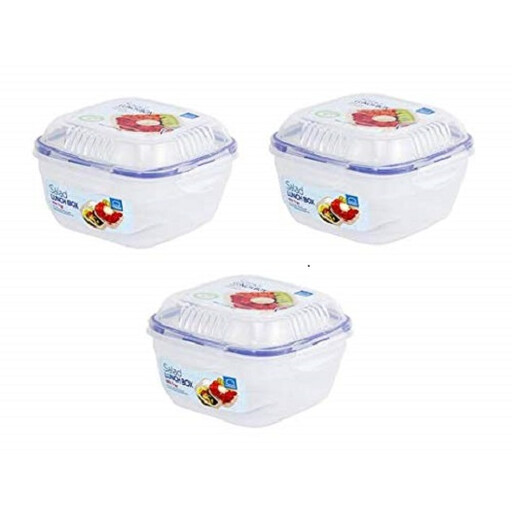
Why This Fits Their Persona: Perfect for anyone who loves fresh salads. The design, featuring a separate toppings tray and dressing pot, ensures everything stays crisp and fresh until it's time to eat. The 3-piece set is excellent for meal prepping for several days.
This model solves the core problem of soggy salads by consistently separating wet and dry ingredients. The airtight seal preserves the freshness of the ingredients and prevents dressing from leaking.
Specialised design for salads. The set of three containers supports weekly meal prep. Dishwasher-safe for easy cleaning.
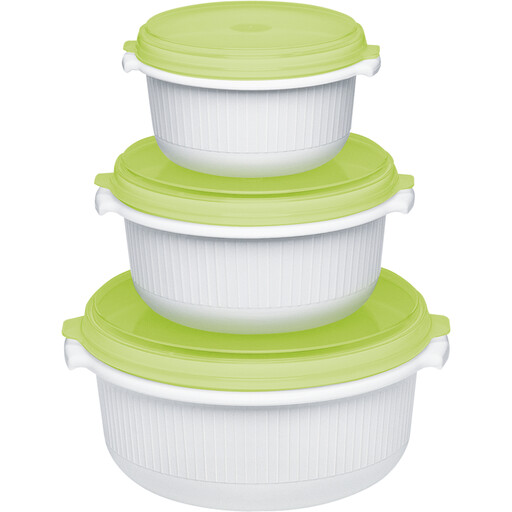
Why This Fits Their Persona: For those who need maximum flexibility in portion sizes. This set of three containers (0.5L, 1.0L, 1.5L) without fixed dividers is ideal for preparing and storing different dishes or components separately.
This set bypasses the trap of inflexible compartments by offering different sizes for different needs. According to the manufacturer, the material is specially designed for efficient heat distribution in the microwave, thus preventing material damage.
Set of three sizes for versatile use cases. The lid doubles as a splash guard during reheating. Robust quality for long-term durability.
We have compiled a comprehensive, up-to-date list of products that fully meet these strict selection criteria and UK safety regulations.
Rinse the box with cold water immediately after use to minimise food residue from sticking. Most high-quality plastic boxes are dishwasher-safe; place all parts in the top rack. For stubborn stains, such as from tomato sauce or curry, a paste of baking soda and water can help. Fill the box with it, let it sit for a few hours, and then rinse thoroughly. Store the box and lid separately and open to prevent odours from developing.
No, there are significant differences. Pay attention to the maximum temperature resistance specified by the manufacturer (e.g., up to 120°C). It is essential to always remove the lid or at least place it loosely on top before heating to allow steam to escape and prevent a dangerous build-up of pressure. Containers made of Polypropylene (PP) are a proven choice. Avoid heating foods high in fat, oil, or sugar at high power, as this can lead to localised overheating and material damage (blistering, warping).
True leak-proofing refers to two aspects: sealing the entire box from the outside and sealing the compartments from each other. A reliable system prevents liquids from leaking out of the box into your bag. A four-point locking system and a high-quality silicone seal are good indicators of this. Whether the compartments are also sealed from each other depends on the lid's design. Check the product description to see if the manufacturer explicitly states that liquid foods like soups or dressings can be safely transported in individual compartments.