
Lieferung heute & morgen

Qualitätsgarantie

Willkommens-Angebote freischalten: KOSTENLOSE Lieferung | Bis zu 80 % RABATT | Kostenlose 30-Tage-JoyPlus-Testphase
App herunterladen
A lunch box should keep meals, snacks or ingredients safe in transit and be easy to clean. In practice, differences often only become apparent after a few uses: the lid doesn’t close securely, the compartments are too small, or the box doesn’t fit in your bag or fridge.
Three common buying mistakes can lead to unnecessary expense:
A BPA-free plastic lunch box is usually lightweight and practical for school, the office or taking out and about. Transparent containers make it easier to see what’s inside. Several of the food containers available are made from polypropylene, or PP for short. Always check guidance on microwave, freezer and dishwasher suitability alongside the instructions for use.
A stainless steel lunch box is uncoated and robust, but may be heavier depending on its design. Stainless steel containers are generally not suitable for the microwave. A glass lunch box is suitable for storing food and, depending on the product, may be designed for microwave use. Bear its extra weight and risk of breakage in mind if you’ll be carrying it in a school bag or bike bag, or on your commute.
When choosing a leakproof lunch box, there are several details to consider:
Terms such as “airtight” or “leakproof” often come from the product description. Don’t assume this means you can carry every container of soup or very runny food in any position. It’s worth checking the manufacturer’s guidance before you buy.
A small sandwich box may be enough for a filled sandwich and some fruit. If you want to keep salad, a side dish and a main course separate, a bento box or a lunch box with compartments may be a better choice. The products listed include capacities of around 600 to 1,350 ml, making them suitable for meal prep.
Capacity isn’t the only thing that matters. Also check:
A small, stackable dishwasher-safe food container may be more practical than a large box for snacks and ingredients if you need to carry several portions separately.
The recommendations below are based on the product details provided, including material, capacity, closure and cleaning options. Check the product details on each listing again before buying.
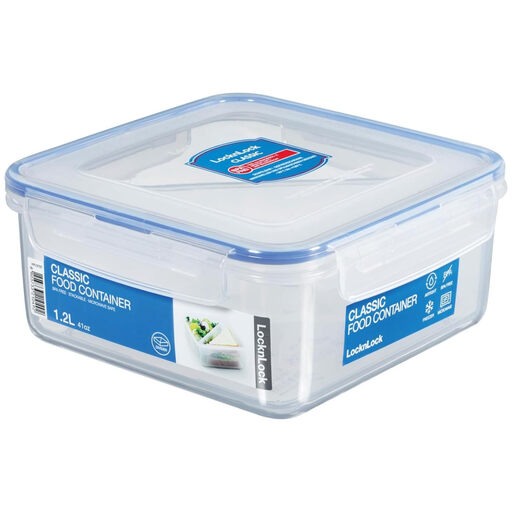
Why this product suits this profile: The 1.2-litre container is designed for sandwiches, snacks and a simple meal. Its integrated divider keeps different foods separate.
The manufacturer describes the closure as airtight and leakproof, and the container has an integrated divider. Remove the lid before heating.
BPA-free plastic, 1.2-litre capacity, microwave-safe without the lid and dishwasher-safe according to the product description.
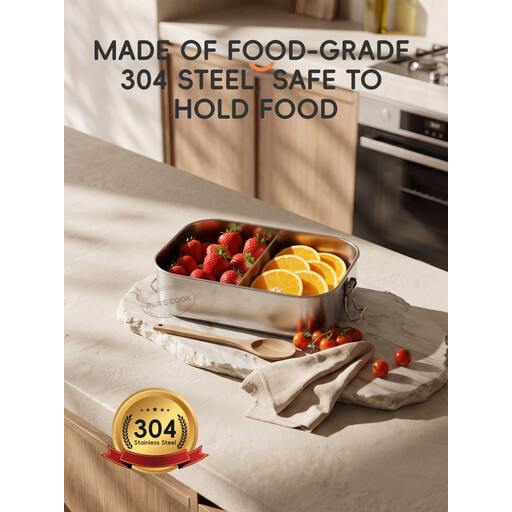
Why this product suits this profile: According to the product description, this box is made from uncoated 304 stainless steel and divides your meal into two sections.
The two metal clips and silicone sealing ring are clearly specified. However, upright carrying is still recommended for liquid foods.
304 stainless steel, two integrated compartments, a silicone seal and dishwasher suitability according to the product details.
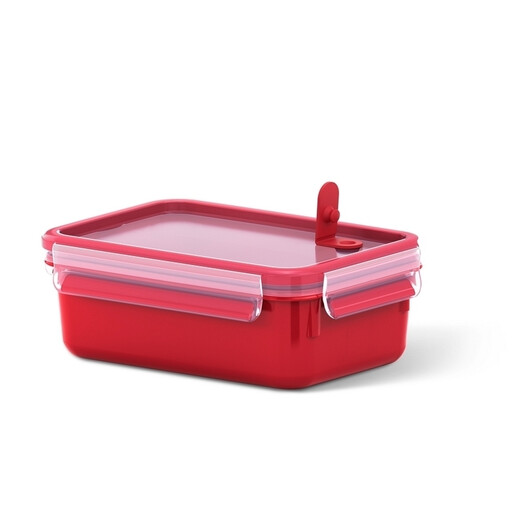
Why this product suits this profile: The 0.8-litre container is designed for portions to enjoy at the office or on the go, and features an integrated steam valve.
The steam valve is designed for reheating. The product details also specify a seal, freezer and dishwasher suitability, and a fill-level mark.
PP described as BPA- and phthalate-free, microwave-safe with the steam valve open, and a capacity of 0.8 litres.
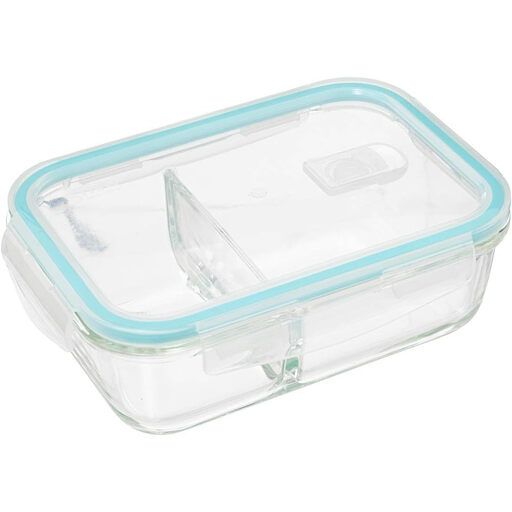
Why this product suits this profile: The borosilicate glass container has two sections and is described as dishwasher-safe. This can make it a practical choice for prepared meals and storing food at home.
The material and dimensions are clearly specified. Bear the 880 g weight in mind if you plan to carry it regularly in a bag.
Borosilicate glass, a stated capacity of 1.1 litres, two sections and a dishwasher-safe design according to the product information.
We’ve put together a complete, regularly updated list of products that meet these strict selection criteria and fully comply with the safety regulations in force in the EU.
A few simple rules can help your lunch box last longer:
Look for a product specifically described as leakproof or waterproof, with an intact silicone seal and a secure closure. Stainless steel models often come with a recommendation to carry them upright. The manufacturer’s instructions also apply to plastic boxes described as leakproof.
No. Stainless steel is not suitable for microwave use. For plastic and glass containers, follow the product guidance. Often, only the container can be heated, without the lid; any steam valves should be opened.
Its lifespan depends on the material, how it’s cleaned, temperature changes and how well the seal and closures are maintained. Check your lunch box regularly and replace it if it develops cracks or deforms, or if the seal no longer closes securely.