
Lieferung heute & morgen

Qualitätsgarantie

Willkommens-Angebote freischalten: KOSTENLOSE Lieferung | Bis zu 80 % RABATT | Kostenlose 30-Tage-JoyPlus-Testphase
App herunterladen
A lunch box should keep your meals safe in transit, be easy to clean and fit into your daily routine. In practice, vague material descriptions, unsuitable sizes and exaggerated claims can quickly lead to the wrong purchase. Whether you’re looking for a bento box, sandwich box, meal prep box or thermal lunch box, what matters is its practical features, not just its design.
A leakproof lunch box needs a close-fitting lid, an intact seal and secure fastenings. A simple lift-off lid may be fine for dry snacks, but it won’t necessarily be suitable for soup, dressing or yoghurt. Overfilling can also cause liquid to escape around the seal.
Look for features such as a silicone seal, a full-perimeter seal or a multi-sided locking system. Also check whether the leakproof claim applies to liquids or only to solid foods.
The stated capacity in litres doesn’t tell you much about how much usable space there is. Compartments, inserts and a tightly fitting lid can leave less room for a main meal than in an undivided lunch box of the same size.
A compact sandwich box is often enough for a filled sandwich, fruit and a few snacks. If you want to carry a full meal with a side and sauce, compare options of around 0.8 to 1.2 litres or more. For soups or larger portions, a separate food container with a wide opening may be more practical.
“Microwave-safe” doesn’t mean you can heat the container with the lid firmly closed. You may need to remove the lid or open a steam valve. Glass, plastic and stainless steel also have different uses:
First, think about what you’ll regularly be carrying. An adult lunch box may need a capacity of at least 1 litre for a full main meal, while children or anyone carrying smaller snacks may need less.
A bento box with removable compartments helps keep a main meal, fruit and snacks separate. Fixed dividers, on the other hand, stop the layout shifting while you’re on the move. Multiple separate inserts are useful for salads, rice dishes or meal prep. It’s best to pack sauces in a separate, tightly sealed container.
Look for clearly stated materials such as polypropylene (PP), borosilicate glass, stainless steel or silicone. For plastic, claims such as BPA-free are worth noting, but you should still check the temperature limits and care instructions.
The seal should be removable or at least easy to reach. Otherwise, food residue and odours can build up in the gaps. Dishwasher-safe parts are convenient, but the manufacturer’s instructions may apply only to the top rack or to certain components.
Read the instructions before heating your food. For example, the LocknLock 3-in-1 Lunch Box is described as suitable for microwave use without the lid, up to a stated temperature limit. Depending on the version, Tefal Master Seal To Go models either have a lid with a steam valve or need to be heated without the lid.
As a rule, stainless steel and thermal containers shouldn’t go in the microwave unless the manufacturer specifically says they can. Hot contents can cause burns. Let steam escape, open fastenings carefully and check the container, lid and seals regularly for cracks or warping.
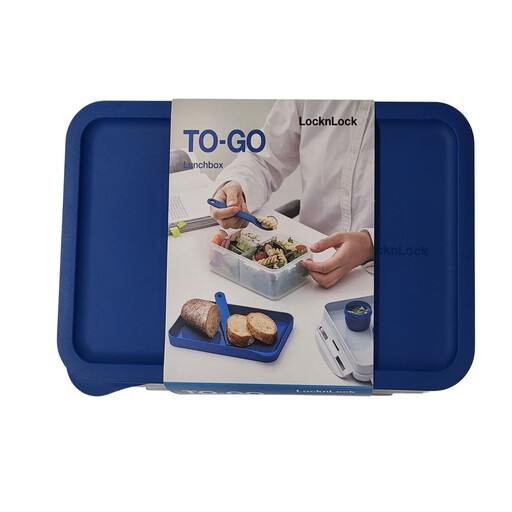
Why it suits this buyer: This 1-litre container has three removable compartments, cutlery and a sauce pot, making it a practical choice for school, the office and short trips.
The removable inserts make portioning easier. According to the product information, the container and inserts are suitable for the freezer and dishwasher, and for microwave use without the lid.
1,000 ml capacity, four-sided locking system, cutlery set and separate sauce container.
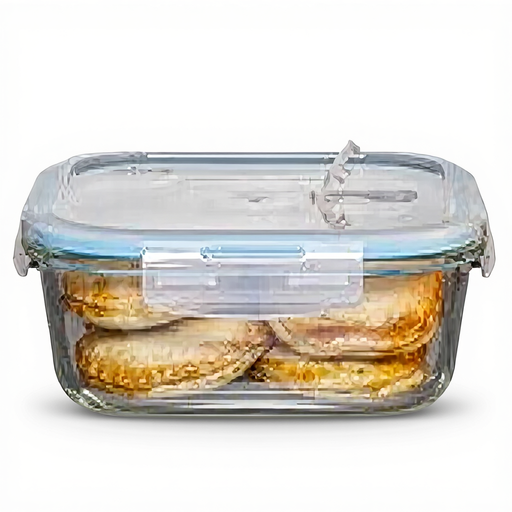
Why it suits this buyer: This glass container is a good choice if you want clearly stated materials and a compact design in a food container.
Its 0.7-litre capacity and dimensions of 20 × 13.5 × 6.7 cm make it easy to judge the size. Glass is heavier than plastic, though, so it should be protected from knocks while in transit.
Glass body, polypropylene lid and silicone seal; rectangular shape fits easily in the fridge or a bag.
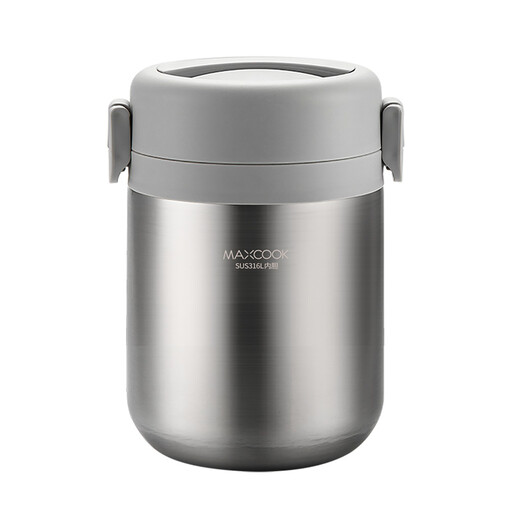
Why it suits this buyer: This wide-mouthed container is designed for soups, stews and other liquid meals. It’s handy for commuting, outdoor activities or longer breaks.
The product is described as a vacuum-insulated food jar with a tightly fitting lid. According to the product information, it must not be used in the microwave and should be washed by hand.
1.5-litre capacity, wide opening and 316 stainless steel construction with vacuum insulation.
We’ve put together a complete, regularly updated list of products that meet these strict selection criteria and the safety regulations in force across the EU.
A tightly sealed food jar with a wide opening is usually a better choice for soup than a traditional sandwich box. Check that it’s described as leakproof, has enough capacity and is suitable for the temperatures you’ll be using it at. Stainless steel thermal lunch boxes generally aren’t suitable for microwave use.
For a full meal, a capacity of 0.8 to 1.2 litres is often practical. If you’re taking several different foods, fruit or snacks, a lunch box with compartments or extra inserts can be useful. What matters is the usable space inside, not just the stated capacity in litres.
Its lifespan depends on the material, how it’s cleaned and how heavily it’s used. Regularly checking the seal, lid and fastenings is more useful than relying on a general claim about how long it will last. Replace the container if it develops cracks, becomes badly warped or starts leaking persistently.