
Lieferung heute & morgen

Qualitätsgarantie

Willkommens-Angebote freischalten: KOSTENLOSE Lieferung | Bis zu 80 % RABATT | Kostenlose 30-Tage-JoyPlus-Testphase
App herunterladen
A good lunch box is more than just a container—it's a daily companion for professionals, students, and anyone who values a fresh, home-prepped meal. But the market is full of promises that often go unkept. A leaked dressing in your bag or a soggy salad at lunchtime are the frustrating consequences of a bad purchase. As your Joybuy Product Recommendation Officer, I'll help you identify the crucial features and find a lunch box that truly fits your needs.
Before we get to the solutions, let's identify the typical problems that lead to frustration and wasted money.
To avoid these pitfalls, you should focus on three core technical parameters. These define the quality and functionality of a reliable food container for work or on the go.
A lunch box's leak-proof capability depends directly on the quality of its seal and lock. Look for the following features:
The choice of material affects durability, weight, and use cases.
Think carefully about the type of meals you plan to transport.
Here are some models tailored to specific needs that meet the quality criteria mentioned above.
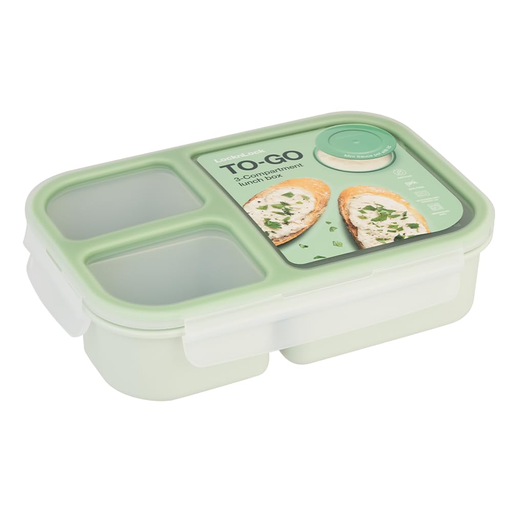
Why This Fits Their Persona: Ideal for anyone who takes a varied meal to work. The three compartments neatly separate the main course, side dish, and snack, while the separate sauce container keeps dressing secure. Perfect for an organised and stress-free workday.
The 4-sided locking system with its silicone gasket ensures a reliable seal and prevents contents from mixing—a direct counter to the pitfalls of impractical compartments and poor sealing.
Made from BPA-free PP plastic, it's microwave (without lid), freezer, and dishwasher safe. A versatile and low-maintenance food container for work.
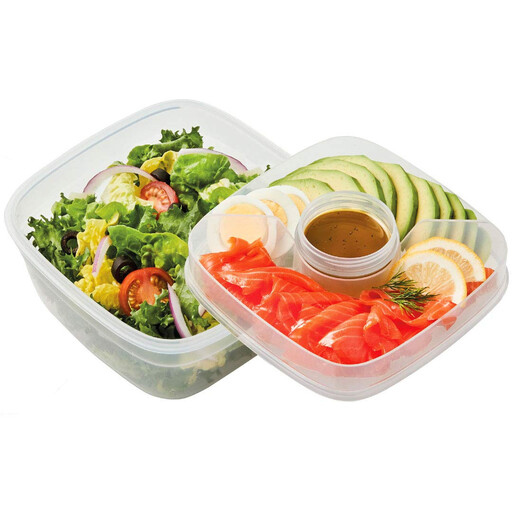
Why This Fits Their Persona: Specifically designed for transporting salads. Anyone who doesn't want to miss out on fresh greens with crunchy toppings at lunch will find the perfect solution here. The large 1.6L capacity provides enough space for a full meal.
The separate tray for toppings and the sealed dressing container effectively prevent the salad from getting soggy before it's eaten. The airtight and watertight locking system provides additional security during transport.
A thoughtful design specifically for salads. The set of two boxes is ideal for meal prep. Made from BPA-free polypropylene and is dishwasher safe.
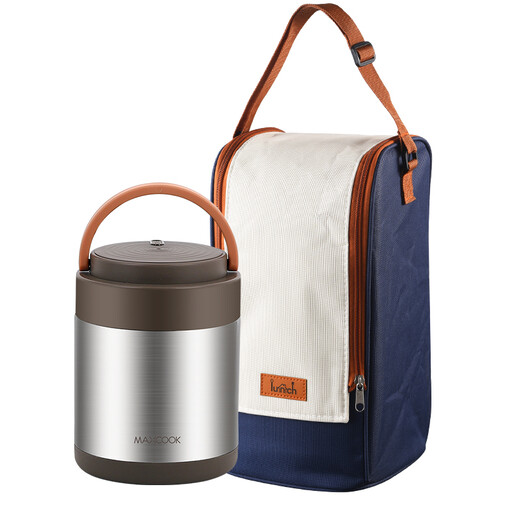
Why This Fits Their Persona: For anyone who wants a hot soup, stew, or curry on the go but doesn't always have access to a microwave. Ideal for construction sites, long days at university, or outdoor trips.
This insulated food jar is made of robust 304 stainless steel and uses vacuum insulation to reliably maintain temperature. It bypasses the trap of low-quality materials that warp or fail to insulate properly.
The wide mouth makes it easy to fill, eat from, and clean. The tight-sealing screw-top lid prevents leaks. According to the manufacturer, the container keeps food warm for 4–6 hours.
We've compiled a complete, up-to-date list of products that fully meet these strict selection criteria and relevant safety regulations.
1. What's the best way to clean a lunch box to prevent odours? Rinse the container with cold water immediately after use to minimise food residue from sticking. For a thorough clean, the dishwasher (if suitable) or hand washing with warm water and soap is sufficient. For stubborn odours, like from onions or curry, it helps to let the box sit overnight filled with a mixture of water and baking soda. Always store containers with the lid off to ensure good air circulation.
2. Can I use any plastic lunch box in the microwave? No. Only use a plastic box in the microwave if it is explicitly marked as microwave-safe. Always remove the lid before heating to prevent pressure build-up. Also, avoid heating foods high in fat, oil, or sugar at high power, as this can lead to staining or even damage the material.
3. How long does an insulated food jar actually keep a meal warm? The thermal performance depends on several factors: the quality of the vacuum insulation, the ambient temperature, and the initial temperature of the food. Most models keep food warm for about 4 to 6 hours. A pro tip: pre-heat the container by filling it with boiling water for a few minutes before adding your hot meal. This can noticeably extend the time it stays warm.