
Lieferung heute & morgen

Qualitätsgarantie

Willkommens-Angebote freischalten: KOSTENLOSE Lieferung | Bis zu 80 % RABATT | Kostenlose 30-Tage-JoyPlus-Testphase
App herunterladen
A good lunch box is more than just a container. It's a daily companion that ensures your food arrives fresh, appetising, and secure. However, the market is flooded with products whose marketing promises often don't hold up in practice. A leaky lunch box in your bag or a soggy salad at lunchtime are the frustrating results of a poor choice.
Before you make a decision, you should know the most common pitfalls that lead to bad purchases:
To avoid these problems, it's helpful to focus on objective product features. Three characteristics are of central importance.
The choice of material affects durability, weight, and potential uses.
A truly leak-proof lunch box depends on two factors: the seal and the locking mechanism. A high-quality silicone seal that is firmly integrated into the lid is crucial. Combined with a robust locking system, such as a 4-sided click lock, it ensures reliable protection against liquid spills. Simple snap-on lids without a separate seal usually do not offer this level of protection.
Consider what type of meals you plan to transport.
Based on these objective criteria, we have put together a few models for different user profiles.
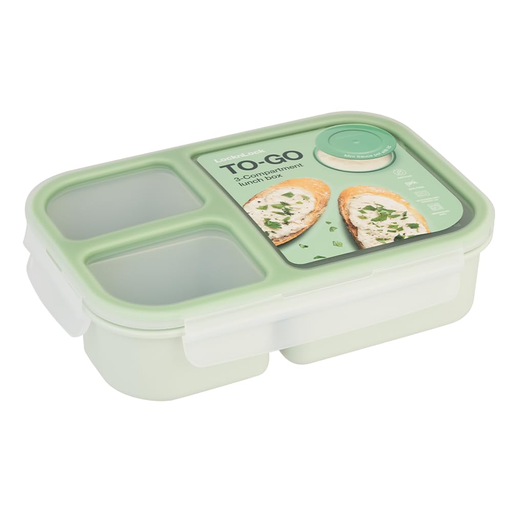
Why This Fits Their Persona: Ideal for professionals and students who pack varied meals. The three compartments allow for the clean separation of a main course, side dish, and snack. Perfect for meal prep.
The 4-sided locking system with a silicone seal reliably prevents leaks. The high-quality PP material is durable and dishwasher-safe, preventing material fatigue.
Three fixed compartments plus an integrated, leak-proof sauce container provide maximum organisation. Microwave- (without lid) and freezer-safe.
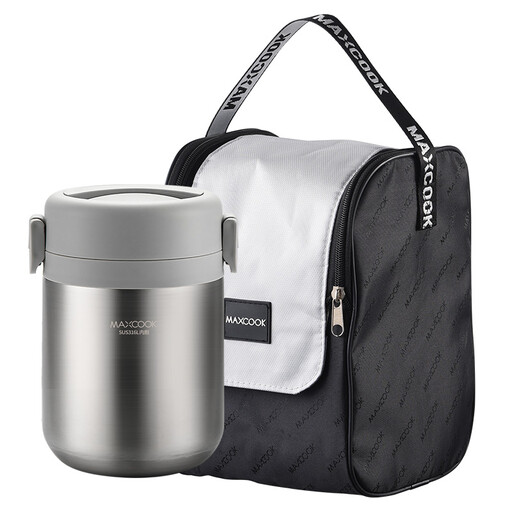
Why This Fits Their Persona: Perfect for anyone who doesn't want to miss out on a hot meal while on the go. Ideal for soups, stews, or curries at the office, on a construction site, or during outings.
As a dedicated thermal container, it's specifically designed for temperature retention and the leak-proof transport of liquids. The robust 316 stainless steel is hygienic and durable.
The vacuum insulation keeps food hot or cold for 4–6 hours, according to the manufacturer. The wide opening makes it easy to fill, eat from, and clean. Includes a matching insulated bag.
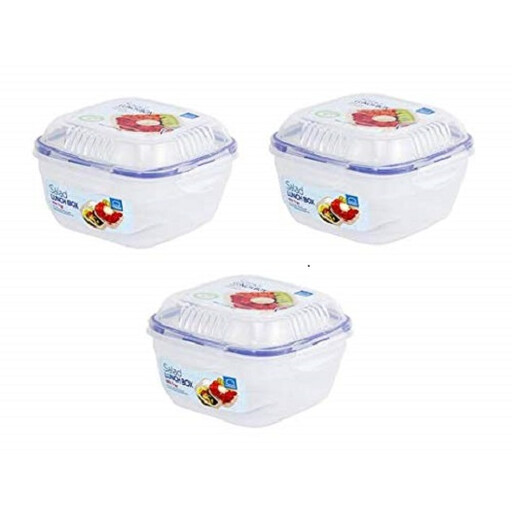
Why This Fits Their Persona: For health-conscious individuals who love fresh salads. This system keeps lettuce, toppings, and dressing separate until it's time to eat, preventing sogginess.
Solves the problem of impractical compartments with a system designed specifically for salads. The airtight seal secures the dressing and prevents leaks in your bag.
Each container features a separate insert for toppings and a leak-proof dressing cup. The set of three is ideal for meal prepping.
We have compiled a complete, up-to-date list of products that fully meet these strict selection and safety criteria.
The most thorough cleaning happens right after use. Rinse the container with warm water. Most plastic and stainless steel boxes are dishwasher-safe. For stubborn odours in plastic containers, it can help to let the box sit overnight filled with a mixture of water and vinegar or baking soda, then rinse thoroughly. Always store the containers with the lid open to allow for air circulation.
No, metal containers, including stainless steel, must never be used in a microwave. This can cause sparks and damage the appliance. If you want to heat your food, you should either use a microwave-safe plastic or glass box or transfer the food from the stainless steel lunch box to a microwave-safe plate.
BPA (Bisphenol A) is an industrial chemical used in the manufacturing of certain plastics. There are concerns that BPA can leach from containers into food. Although opinions vary on the exact risks, it is recommended as a precaution to use BPA-free products for food contact, especially for children and when heating. A lunch box for adults and children labelled as BPA-free offers an extra layer of safety.