
Lieferung heute & morgen

Qualitätsgarantie

Willkommens-Angebote freischalten: KOSTENLOSE Lieferung | Bis zu 80 % RABATT | Kostenlose 30-Tage-JoyPlus-Testphase
App herunterladen
A lunch box should keep meals safe on the go, take up little room in your day-to-day life and be easy to clean. In practice, though, problems often arise not from capacity but from unsuitable fastenings, unclear temperature guidance or an awkward compartment layout. This applies just as much to a lunch box in a school bag as to a meal prep box for the office.
A leakproof lunch box can contain liquids under normal conditions. Even so, soups, dressings and very runny foods should be carried upright unless the manufacturer says otherwise. So check:
A four-sided locking mechanism may offer more reassurance in everyday use than a simple push-on lid. However, this doesn’t mean the box is guaranteed not to leak if it’s stored at an angle or upside down.
For many plastic containers, “microwave-safe” doesn’t mean you can heat them with the lid on. The lid often needs to be removed, loosened or opened via a steam vent. Take particular care with stainless steel: metal should never go in the microwave unless the product instructions explicitly allow restricted use.
Check the exact guidance:
A compartment lunch box may have a lid, seals, inserts and cutlery made from different materials. The container may be dishwasher-safe, while the seal needs to be washed by hand. The same applies to stainless steel boxes: the body and lid may have different care instructions.
Many practical lunch boxes for a single meal hold between 800 millilitres and 1.5 litres. A 1.0-litre box is often suitable for a main meal with a side. A larger bento box can be useful if you also want to take fruit, snacks or a dessert.
Compare the external dimensions as well as the capacity. A rectangular lunch box often fits better in work bags and rucksacks than a tall food container. For soups and stews, a wide-mouthed insulated food jar is easier to fill and eat from.
Polypropylene (PP) is lightweight and often used for microwave-safe lunch boxes. Check the temperature limits and whether the lid needs to be treated separately. BPA-free claims relate to the material declaration for the specific product and don’t replace its care instructions.
Stainless steel is resistant to odours and durable. However, a stainless steel lunch box isn’t automatically suitable for the microwave. Insulated vacuum containers are usually intended to be washed by hand.
Glass is suitable for storage and, depending on the product, can also be used for reheating. Its greater weight and risk of breakage may be a consideration when you’re out and about.
A compartment lunch box keeps different foods separate. Removable inserts make cleaning easier and allow you to use the box in different ways. If the dividers are built in, check whether you can clean all the joins thoroughly.
Removable silicone seals are practical for everyday use. Let them dry completely before storing the container with the lid on. Damaged seals, cracks or warping are all reasons to stop using the food container.
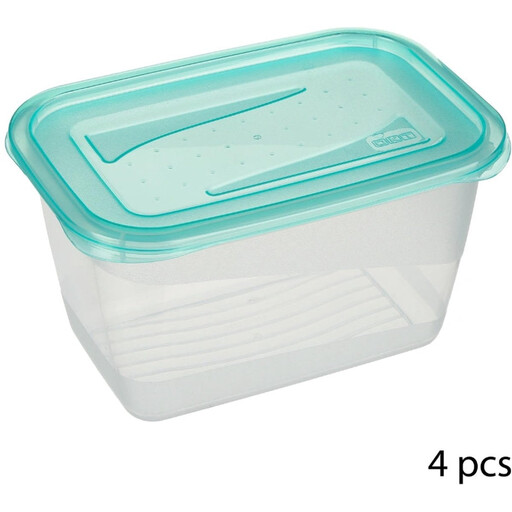
Why this product suits this profile: Four 0.75-litre containers are handy for prepared portions, leftovers or snacks. Their clear design makes it easy to see what’s in the fridge.
Individual containers mean you don’t have to fill a large box for every meal. According to the product information, they’re suitable for the fridge, freezer, microwave and dishwasher, but not the oven.
A set of four, stackable design and a weight of around 40 g per box, according to the product description.
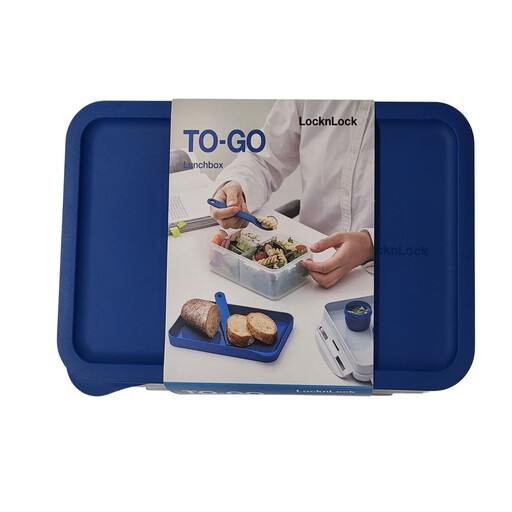
Why this product suits this profile: The box has three removable compartments, a four-sided locking mechanism, plus a knife, fork, spoon and sauce pot. It’s a good fit for workers and pupils who like to keep different foods separate.
According to the product information, the container is airtight and watertight. Remove the lid completely before microwaving. The stated temperature range is -20 to 120 °C.
1.0-litre capacity, BPA-free PP according to the product description, and suitable for the freezer and the top rack of the dishwasher.
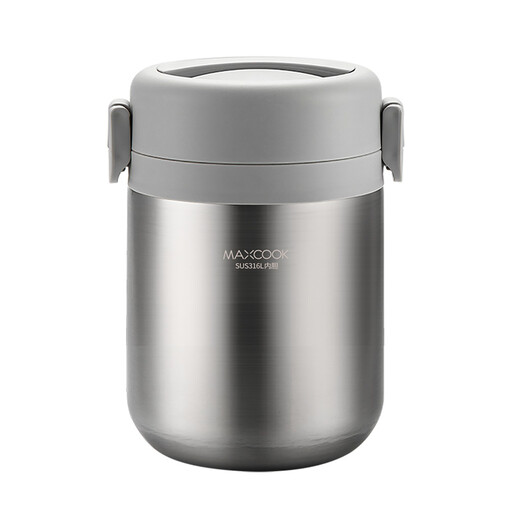
Why this product suits this profile: Its wide opening and vacuum insulation make it a good choice if you want to take soup, stew or other hot food to work, on a day out or for outdoor activities.
The container isn’t suitable for the microwave. According to the manufacturer, it should be washed by hand and properly sealed for transport. It isn’t suitable for carbonated drinks.
1.5-litre capacity, 316 stainless steel and a wide opening, according to the product description.
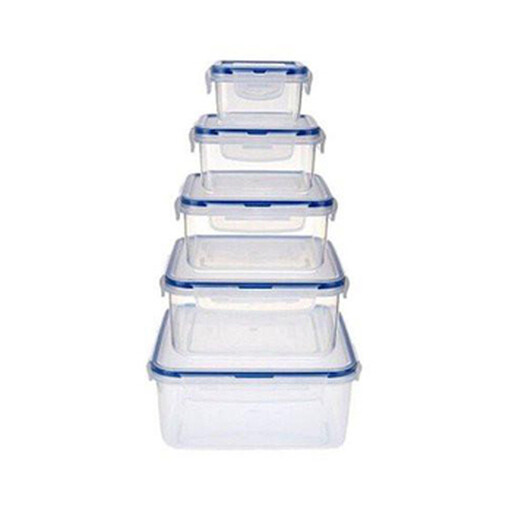
Why this product suits this profile: Five sizes, from 180 ml to 2.1 litres, cover everything from small snacks and side dishes to larger prepared portions. The containers nest inside one another when empty.
The range of sizes means you’re less likely to need lots of separate boxes in different sizes. According to the product information, loosen the fastenings before reheating. The containers aren’t suitable for the oven or hob.
Nesting design, removable silicone seal, and suitable for the fridge, freezer and top rack of the dishwasher, according to the product description.
We’ve put together a complete, regularly updated list of products that meet these strict selection criteria and comply fully with the safety regulations in force in the EU.
For soup, choose a container with a secure lid and a suitable seal, or a wide-mouthed insulated food jar. Carry the box upright. Before buying, check the guidance on liquids, seals and fastenings; this matters more than a general marketing claim that a box is leakproof.
Generally, no. Stainless steel is metal and shouldn’t go in the microwave unless the manufacturer has explicitly approved it for that purpose. With a plastic lunch box, you’ll often need to remove or open the lid. Always follow the specific instructions for the product.
Its lifespan depends on the material, fastening, cleaning and how it’s used. Regularly check seals and clips for cracks, looseness or warping. There’s no reliable way to give a fixed lifespan that applies to every lunch box. Stop using the food container if you can see any damage.