
Lieferung heute & morgen

Qualitätsgarantie

Willkommens-Angebote freischalten: KOSTENLOSE Lieferung | Bis zu 80 % RABATT | Kostenlose 30-Tage-JoyPlus-Testphase
App herunterladen
A good lunch box is more than just a container—it's a daily companion that ensures your food arrives fresh, appetizing, and secure. But the market is flooded with models whose promises often don't hold up in practice. Many buyers get frustrated with leaky lids, materials that absorb odors, or an impractical layout. Before you make a decision, it's crucial to know the common pitfalls to find a durable and functional solution for your daily routine.
Choosing a lunch box seems simple, but its weaknesses often don't appear until after a few weeks of use. Pay close attention to these three common problems to avoid a bad purchase:
To make the right choice, you should focus on objective features that determine practical, everyday usability.
The choice of material affects weight, durability, and maintenance.
The lid is the most critical component of a leak-proof lunch box. Look for models with sturdy clamps on all four sides and an integrated, removable silicone seal. This combination creates firm pressure and a reliable seal that allows for transporting even liquid-based foods. Simple lids that just sit on top or click on lightly are only suitable for dry foods.
Consider how you prefer to transport your meals.
Here are some recommendations tailored to specific needs that avoid the common pitfalls mentioned.
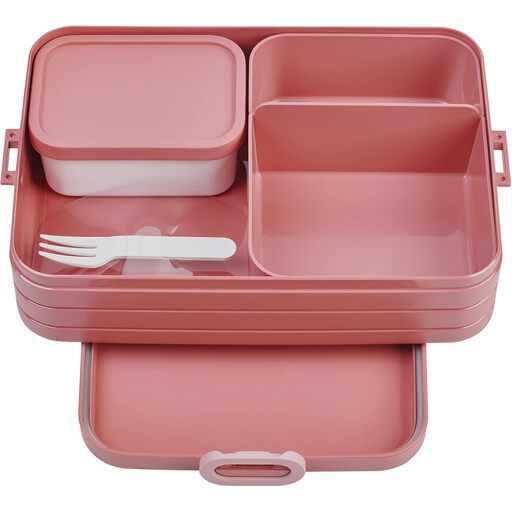
Why This Fits Their Persona: Ideal for professionals who like to bring leftovers or various meal components. The large capacity and well-designed compartments make it the perfect solution for a complete meal at the office.
The removable bento inserts prevent food from mixing. The inserts are microwave-safe (without the lid), solving the problem of unevenly heated food.
Large capacity (1.5 liters) and flexible division with two separate compartments and an extra box with a fork. Made from durable, BPA-free plastic.
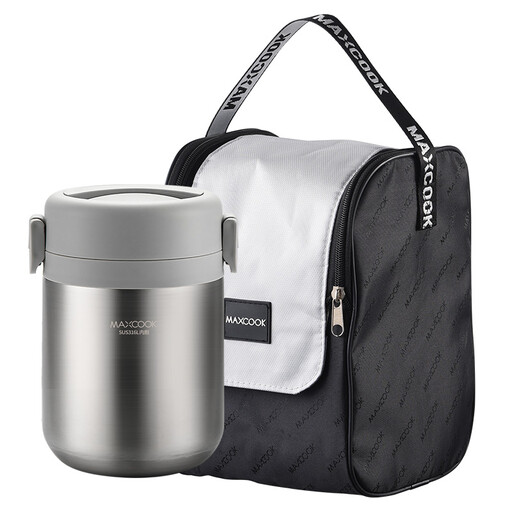
Why This Fits Their Persona: Perfect for commuters, outdoor enthusiasts, or anyone without access to a microwave. This thermal container keeps soups, stews, or even cold dishes at the right temperature for hours.
The container is made of flavor-neutral 316 stainless steel, which does not absorb odors. The tight screw-on lid reliably prevents leaks, a common problem with cheaper thermal jars.
Vacuum insulation for 4–6 hours of temperature retention. Includes a matching insulated lunch bag for easy transport and extra insulation. The wide opening makes filling and cleaning easy.
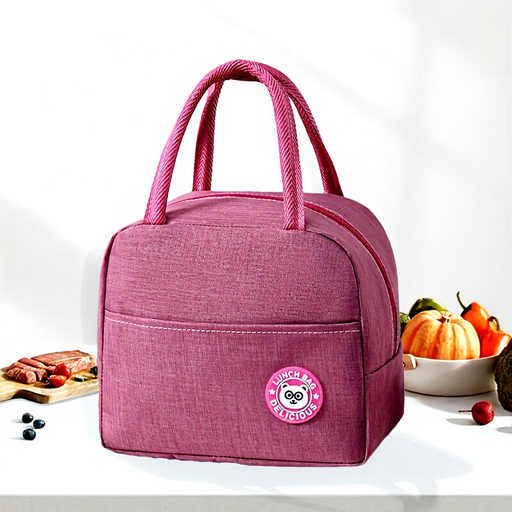
Why This Fits Their Persona: This insulated lunch bag is designed for families with school-aged children. The kid-friendly design makes lunchtime fun, while the insulation ensures food stays fresh until the break.
Instead of a bulky box, this bag offers flexibility. It protects a separate lunch container and has room for a water bottle or fruit, something often missing in rigid boxes.
Lightweight and easy to carry. The insulated lining keeps the temperature stable. The playful design is a bonus for kids.
We have compiled a complete, up-to-date list of products that fully meet these strict selection criteria and safety regulations.
1. What's the best way to clean a lunch box to prevent odors? Rinse the box with cold water immediately after use to prevent food from sticking. Most plastic and stainless steel boxes can be cleaned in the dishwasher. For stubborn odors, it helps to let the box sit overnight filled with a mixture of water and vinegar or baking soda. Always air out the box thoroughly before closing and storing it.
2. What does "BPA-free" mean and why is it important? BPA (Bisphenol A) is a chemical compound used in some plastics to make polycarbonate. It is suspected of being harmful to health. "BPA-free" means that this chemical was intentionally omitted during the product's manufacturing. Always look for this label when buying plastic food containers, especially for products intended for children.
3. Can I put hot food in any plastic lunch box? Not every plastic box is suitable for hot food. Check the manufacturer's specifications for temperature resistance. High-quality polypropylene (PP) is generally heat-resistant and often microwave-safe (usually without the lid). However, never pour boiling hot food directly into a cold plastic box to avoid material damage. For very hot meals, a stainless steel thermal container is the safer choice.