
Lieferung heute & morgen

Qualitätsgarantie

Willkommens-Angebote freischalten: KOSTENLOSE Lieferung | Bis zu 80 % RABATT | Kostenlose 30-Tage-JoyPlus-Testphase
App herunterladen
Bringing a well-prepared meal from home is a practical way to eat more mindfully and save money. But often, good intentions fail due to the wrong equipment: the salad is soggy, the sauce has leaked, or the hot soup is merely lukewarm. Choosing the right on-the-go food container is therefore crucial.
This guide is designed to help you find a functional and durable lunch box that fits your needs. We will introduce various models and explain which features truly matter for daily use at work, at university, or while travelling.
The market offers a vast array of models. To make the right decision, three key criteria should be considered: material, functionality, and insulation performance.
The choice of material affects durability, weight, and potential uses.
Anyone who wants to keep different components of a meal separate will benefit from a lunch box with compartments. These so-called bento boxes prevent things like salad dressing from mixing with the main ingredients.
Another important feature is being leak-proof. A lid with a high-quality silicone seal and a reliable locking mechanism is essential for safely transporting liquids like soups, sauces, or dressings. Look for manufacturer claims that guarantee they are 100% leak-proof.
For hot meals like stews or cold dishes like a to-go salad container, insulation capability is key. An insulated food jar, often called a thermal food container, uses double-wall vacuum insulation to maintain the temperature for several hours. These models are usually made of stainless steel and are ideal when there is no option to reheat food.
Based on the criteria mentioned, we have compiled a selection of functional containers suitable for various purposes.
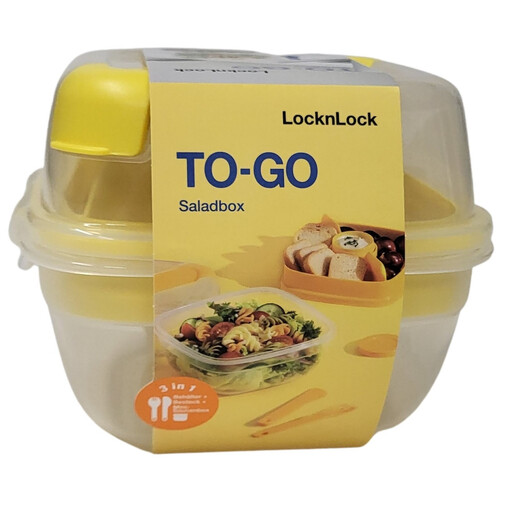
Why It Stands Out: This model is specifically designed as a to-go salad container. The standout feature is the lid with three integrated compartments, which keeps toppings separate from the salad. A complete cutlery set and a separate sauce container are also included, making it a thoughtful, all-in-one solution.
Pros:
Who It's For: Ideal for adults who regularly take fresh salads or multi-component meals to work or on picnics and appreciate an all-in-one solution.
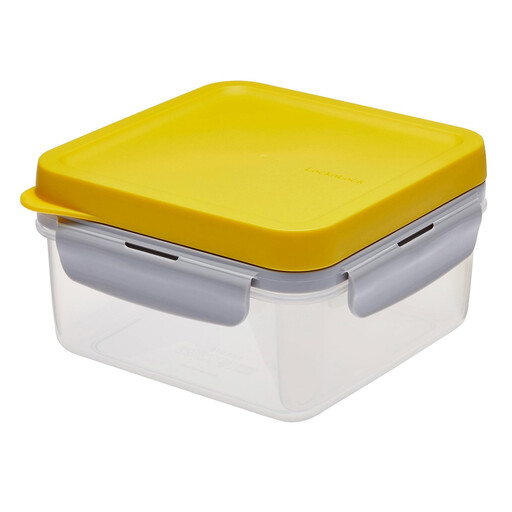
Why It Stands Out: This bento box offers a larger volume of 1.2 litres and maximum flexibility with three removable inner containers. This allows the main course and side dishes to be kept completely separate and removed or heated individually as needed.
Pros:
Who It's For: Perfect for professionals and students who want to transport a complete meal with multiple hot or cold components and value flexible organisation.

Why It Stands Out: This insulated food jar is designed for temperature retention. Made from high-quality 316 stainless steel and featuring vacuum insulation, it keeps food hot or cold for 4 to 6 hours, according to the manufacturer. The included insulated bag supports this function and makes transport easier.
Pros:
Who It's For: An excellent choice for anyone who wants to enjoy a hot meal on the go but doesn't have access to a microwave. Ideal for construction sites, long trips, or cold days at the office.
Preparing meals for the entire week (Meal Prep) places special demands on storage. If you are looking for containers specifically designed for freezing and long-term storage of prepared dishes, you may find suitable products in other categories.
Discover our selection of frozen meal prep containers to find the right solution for your weekly meal planning.
Most plastic boxes are suitable for the top rack of the dishwasher. To extend the life of the seals, hand washing can be beneficial. Stainless steel containers should be cleaned by hand with warm water and mild detergent to avoid damaging the surface. Always follow the manufacturer's care instructions.
Yes, as long as they are explicitly marked as BPA-free. Manufacturers of high-quality food containers use plastics like polypropylene (PP), which are tested and safe for food contact.
No. Stainless steel containers must never be placed in the microwave, as this can damage the appliance. For plastic containers, you must look for the corresponding microwave-safe symbol. As a rule, the lid should be removed or at least opened before heating to avoid pressure build-up.