
Lieferung heute & morgen

Qualitätsgarantie

Willkommens-Angebote freischalten: KOSTENLOSE Lieferung | Bis zu 80 % RABATT | Kostenlose 30-Tage-JoyPlus-Testphase
App herunterladen
A well-organised meal on the go is a small everyday luxury for professionals, students, and anyone who values mindful eating. A lunch box with compartments promises order and freshness, but the reality is often different. Leaked sauces in your bag, stained containers, and soggy salads are common frustrations. Before you make a purchase, it's important to understand the common pitfalls that often only become apparent after a few weeks of use.
To avoid these problems, you should focus on three key product features. These define the longevity and functionality of a good meal prep box or bento box.
The material is the foundation of safety and durability. Look for the BPA-free label. This means the plastic was made without the plasticiser Bisphenol A. High-quality polypropylene (PP) is a common and safe choice for food containers. It is robust, warp-resistant, and less prone to staining. Solid craftsmanship with no sharp edges or burrs is also an indicator of quality.
You can identify a truly leak-proof lunch box by its lock. A simple press-on lid rarely offers sufficient protection against liquids. Systems with four-sided locking clips combined with a surrounding silicone seal in the lid are more effective. This design presses the lid evenly onto the container's rim, creating an airtight and watertight barrier. Such a LocknLock container not only prevents the contents from leaking but also keeps food fresh for longer.
For modern daily life, two features are essential: the box should be microwave-safe and dishwasher-safe.
Instead of making a one-size-fits-all recommendation, we have identified products that are tailored to specific user profiles and meet the quality criteria mentioned.
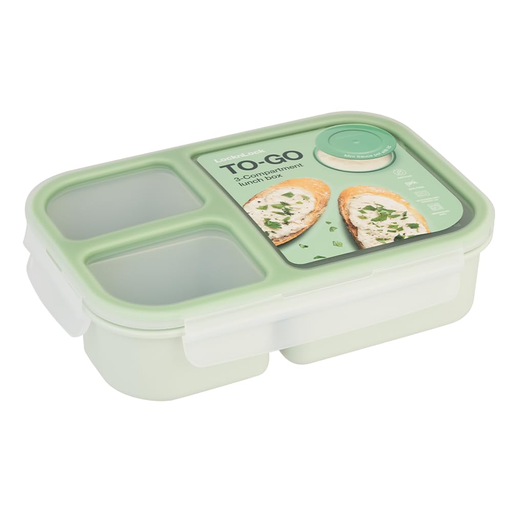
Why It's a Match: Ideal for professionals who want to transport a complete meal with a main course, side, and snack. The three fixed compartments and the integrated sauce container ensure perfect organisation. Being microwave and dishwasher safe fits perfectly into a structured workday.
The patented 4-sided locking system with a silicone seal reliably prevents leaks. The high-quality PP material is rated for temperatures from -20°C to 120°C and resists staining and warping.
All-in-one solution with three compartments and a separate container for dressing or dips. No need for extra containers.
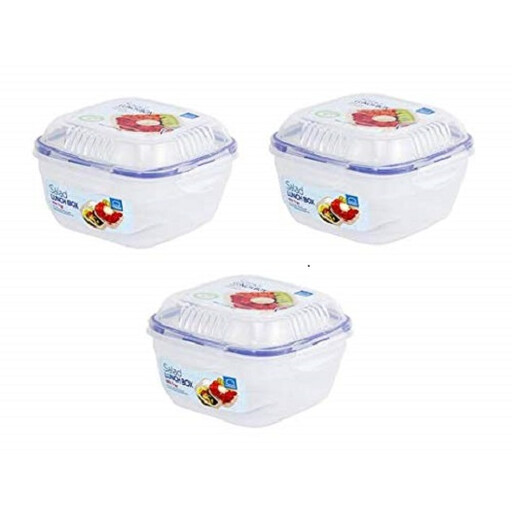
Why It's a Match: Anyone who prepares meals for several days needs multiple identical and stackable containers. This set offers three spacious boxes that are perfect for weekly meal planning. The topping tray and dressing cup are ideal for salads or bowls.
The airtight seal keeps prepped meals fresher for longer in the fridge. Being dishwasher safe makes cleaning the entire set easy. The separate insert prevents ingredients from getting soggy prematurely.
A practical set of 3 for efficient meal prepping. The uniform size makes storage and organisation in the fridge and pantry easier.
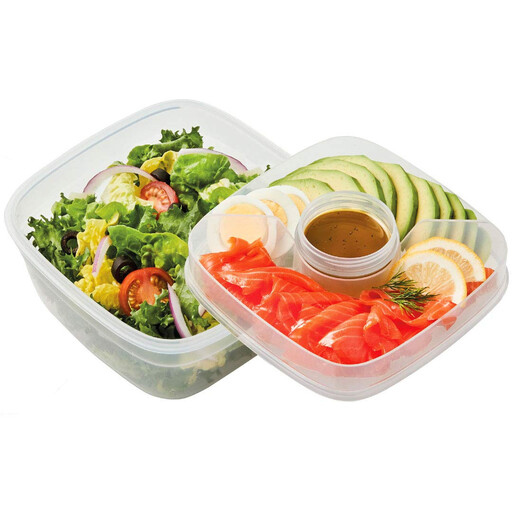
Why It's a Match: For anyone who loves large, fresh salads, this model is ideal. The generous 1.6-litre volume provides ample space for a satisfying meal. The special tray for toppings and the leak-proof dressing container are perfectly tailored to the needs of salad lovers.
The design solves the core problem of soggy salads by separating dry and wet components until it's time to eat. The watertight seal ensures nothing leaks, even with a generous amount of dressing.
Specialised design with a large volume and perfect separation options for fresh salads on the go.
We have compiled a comprehensive list of products that meet strict selection criteria and safety requirements.
First, check if the box is marked as dishwasher-safe. If so, place all parts, especially the lid, on the top rack of the machine. For stubborn odours or stains, a paste of baking soda and water can help; let it sit for a few hours. Always dry all components thoroughly after cleaning to prevent mould growth.
No. The deciding factor is the sealing mechanism. Look for a visible, continuous silicone seal in the lid and a robust locking system that presses the lid firmly against the container, such as four-sided locking clips. A simple press-on lid without an additional locking feature is generally unsuitable for transporting liquids or foods with high water content.
It is generally recommended to let very hot food cool down briefly before sealing the lid. This prevents pressure from building up inside, which could warp the lid or compromise the seal. For microwave heating, you must follow the manufacturer's instructions—the lid almost always needs to be removed or at least placed on loosely.