
Lieferung heute & morgen

Qualitätsgarantie

Willkommens-Angebote freischalten: KOSTENLOSE Lieferung | Bis zu 80 % RABATT | Kostenlose 30-Tage-JoyPlus-Testphase
App herunterladen
A lunch box should transport food safely, be easy to clean day to day and suit your eating routine. In practice, however, disappointing purchases are often caused not by the price, but by unclear product information and unsuitable designs. A compact lunch box may be perfectly adequate for a filled sandwich, for example, but unsuitable for soup or a hot meal-prep dish.
The term leakproof lunch box is only meaningful if the lid, seal and fastenings are designed for liquid foods. A simple clip-on lid may be sufficient for dry food, but can reach its limits with sauce, yoghurt or soup. Look for a full-length seal, sturdy fastening points and clear information from the manufacturer.
Even a leakproof design cannot protect against every situation. If the box is carried at an angle or upside down in your bag, liquid may pass through the seal. Soups and very runny dishes are therefore better suited to a soup flask or a purpose-designed insulated container.
Capacity is usually given in millilitres or litres. A lunch box with a capacity of 1,000 ml offers considerably more room than a small sandwich box, but it also takes up more space in your bag. Check the external dimensions and the empty weight as well.
A smaller model is often sufficient for a sandwich and some fruit. If you want to keep salad, side dishes and the main course separate, you will generally need a lunch box with compartments or a bento lunch box. For hot stews and larger portions, 1.4 to 1.5 litres may be a sensible choice.
‘Microwave-safe’ does not automatically mean that the lid can be heated as well. With some containers, the lid must be removed before heating, or an integrated steam valve must be opened. An insulated food container made from stainless steel should never be put in the microwave.
Information about dishwasher suitability can vary too. Some products can go entirely in the dishwasher, while others require the seal or lid to be washed by hand. The specific care instructions are therefore more important than general marketing claims.
A meal-prep container with separate inserts helps you keep wet and dry ingredients apart. This stops bread from going soggy due to salad dressing or fruit juice.
Plastic models are often lightweight and practical for everyday transport. Look for information such as BPA-free, food-safe materials and permitted temperature ranges. However, a BPA-free lunch box is not automatically suitable for use in the microwave or freezer.
Stainless steel lunch boxes are resistant to odours and hard-wearing. With double-walled models featuring vacuum insulation, heat retention is also important. These containers are suitable for hot food, but generally must not be used in the microwave or left in the dishwasher if the instructions prohibit this.
Removable inserts make cleaning easier and allow you to choose different portion sizes. Check whether the seals can be removed and whether food residue can collect around the fastening areas. The lunch box should be allowed to dry completely after cleaning; storing it with the lid resting loosely on top can help reduce odours.
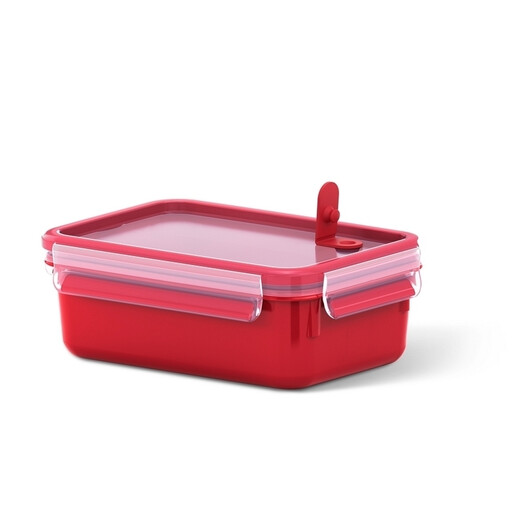
Why this product suits this profile: With a capacity of 0.8 litres, it is suitable for compact meals in the office, at school or during short commutes.
The product information specifies a leakproof fastening, an integrated steam valve and clear instructions for heating.
0.8-litre capacity, BPA-free materials and suitability for the microwave, freezer and dishwasher according to the product description.
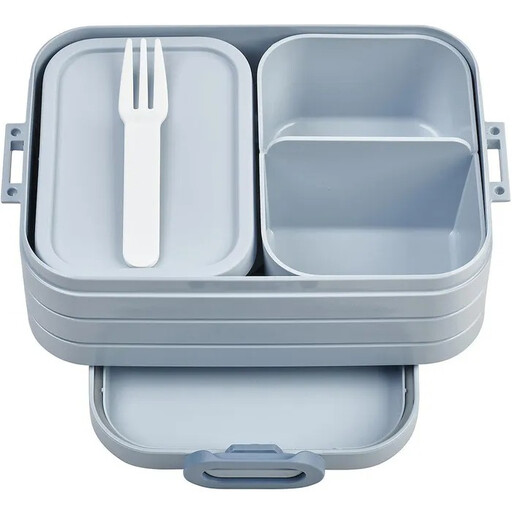
Why this product suits this profile: Two separate compartments and an additional box with a fork make it easy to pack varied meals with separate components.
The removable bento boxes keep food separate; according to the instructions, they can be placed in the microwave and dishwasher without their lids.
900 ml capacity, two compartments, an additional box and BPA-free product information. Not intended for use in the freezer.
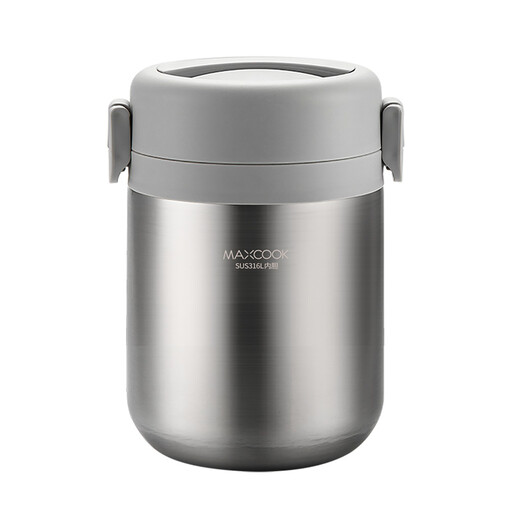
Why this product suits this profile: The tall container is designed for hot meals, soups and larger portions during longer commutes or outdoor trips.
The product description specifies a wide opening and a leakproof lid, with the explicit instruction not to use it in the microwave.
316 stainless steel, vacuum insulation, 1.5-litre capacity and a wide opening. According to the instructions, the lid area should be protected from prolonged contact with water and kept out of the dishwasher.
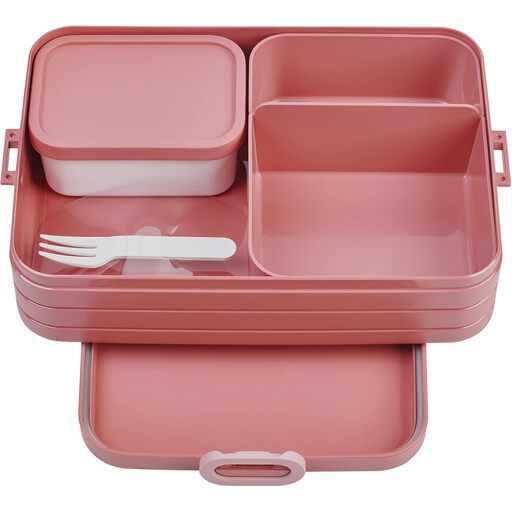
Why this product suits this profile: With a capacity of 1.5 litres, it offers room for larger daily portions and several separate foods.
Two compartments and removable boxes help prevent food from mixing. The instructions state that it is not suitable for use in the freezer.
1.5-litre capacity, two-part layout, additional box with fork and BPA-free product information.
We have put together a complete, regularly updated list of products that fully meet these strict selection criteria and the safety regulations applicable in the EU.
To keep your lunch box usable for longer, follow a few simple routines:
For soup, a tall, tightly sealed soup flask with vacuum insulation is generally more suitable than a flat sandwich box. Look for a wide opening, sufficient capacity and a lid explicitly described as leakproof. Stainless steel containers must not be used in the microwave.
For a standard individual portion, around 800 to 1,000 ml is often sufficient. If you take several components, fruit or larger portions with you, you can choose a 1.5-litre model or a bento lunch box with several compartments. Alongside capacity, the dimensions of your bag and the weight of the container are also important.
Its service life depends on the material, fastening, cleaning routine and level of daily use. Replace the lunch box if cracks, damaged seals, permanently warped lids or leaking fastenings appear. For products with a replaceable seal, the practical service life may be extended if the manufacturer offers spare parts.