
Lieferung heute & morgen

Qualitätsgarantie

Willkommens-Angebote freischalten: KOSTENLOSE Lieferung | Bis zu 80 % RABATT | Kostenlose 30-Tage-JoyPlus-Testphase
App herunterladen
A good lunch box for life on the go should keep your meals secure, be easy to clean and suit your daily routine. In practice, it’s not eye-catching colours or impressive capacity claims that help you choose the right one, but details such as the fastenings, compartment layout and material.
A leakproof lunch box needs more than just a lid. The seal and fastening mechanism matter, as does whether it can safely carry liquids or dressings. If there’s no information about a silicone seal or side fastenings, it’s best to use the box for dry foods rather than soups and sauces.
A lunch box with compartments may seem practical, but small or permanently fixed dividers can leave you with less room than expected. Several small sections are often enough for a sandwich and snacks. If you want to carry salad, a side dish and dressing, you’ll need either plenty of internal space or a removable insert.
Microwave-safe lunch box doesn’t automatically mean you can heat the lid too. You’ll often need to remove it completely. Even with a dishwasher-safe lunch box, individual components, seals or cutlery may need special care. Check the temperature range and cleaning instructions before you buy.
For a meal at work or school, around 700 to 1,000 ml is a practical guide for many people. If you pack larger portions, fruit or extra snacks, you might prefer a food container with a capacity of 1.35 litres. Capacity isn’t the only thing to consider: the base area and height matter too.
A bento box with several compartments is ideal for sandwiches, fruit, vegetables and snacks, keeping everything from mixing together. A removable insert gives you more flexibility, as you can also use the box for larger portions of a single food.
A salad box with cutlery and a separate sauce container is a good choice for salads. It keeps the dressing and delicate ingredients separate until you’re ready to eat. With a meal prep container, check whether the dividers are fixed or removable.
If you’re looking for a BPA-free lunch box, the product description should state this clearly. According to the product details, the plastic models featured here are made from BPA-free polypropylene. This is information about the material, not a general guarantee that the box is suitable for every type of food or temperature.
Stainless steel may appeal if you’d prefer a sturdy container without a plastic interior. However, it’s particularly important to check the guidance on microwave use, seals, weight and cleaning for stainless steel boxes. Never use a box on the hob, in the oven or over direct heat unless this is specifically stated as safe.
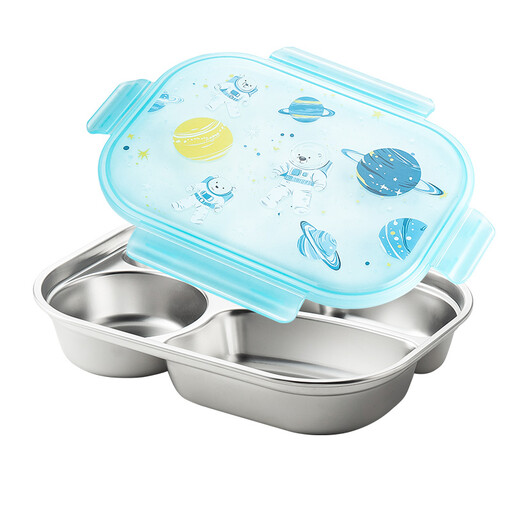
Why it suits this need: Its four-compartment design makes it easy to portion out sandwiches, fruit and snacks for work, school or a picnic.
The compartments help keep dry foods separate. Check the microwave and dishwasher guidance separately before you buy.
The product name specifies 316 stainless steel and four separate compartments.
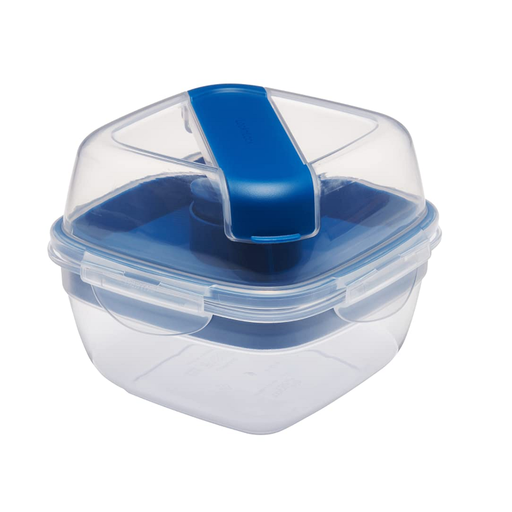
Why it suits this need: Designed for salads, side dishes and dressings, this box comes with cutlery and a sauce container.
The product details specify a double silicone seal and fastenings on all four sides. Remove the lid before heating the box in the microwave.
950 ml capacity, BPA-free polypropylene according to the product details, and suitable for the freezer, dishwasher and microwave without the lid.
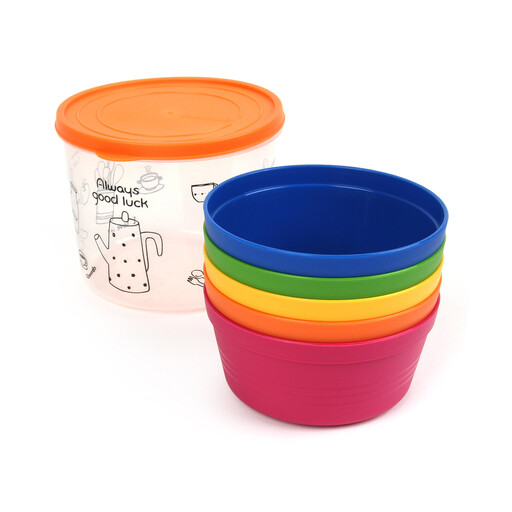
Why it suits this need: This set is a good choice for families, campers and anyone who wants to take picnic crockery for a group.
Five bowls with separate lids are carried in a storage container. Before use, check that all the lids are securely fastened.
BPA-free polypropylene according to the product details, a stackable design, light weight and suitable for microwave use without the lid on.
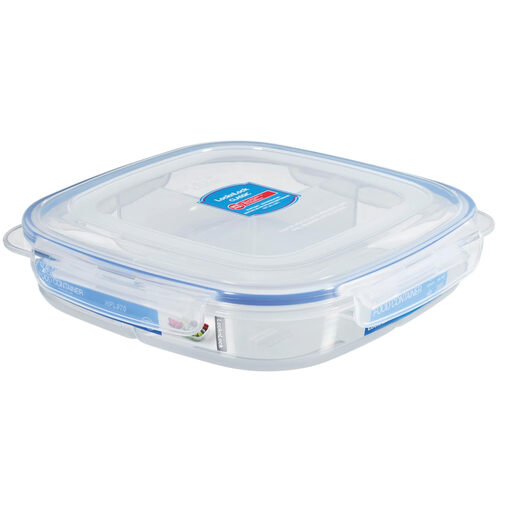
Why it suits this need: Its larger capacity is ideal for generous meals, snacks or portions prepared in advance for everyday use.
The product description gives precise dimensions of 23,4 × 23,4 × 5,8 cm. This makes it easy to check in advance whether the box will fit in your bag or fridge.
1.35 litres of capacity, BPA-free plastic according to the product details, and suitable for the freezer, dishwasher and microwave without the lid.
We’ve put together a complete, regularly updated list of products that meet these strict selection criteria and fully comply with the safety regulations in force in the EU.
To help your lunch box last, follow these simple guidelines:
A capacity of 700 to 1,000 ml is often enough for one meal. If you’re also taking fruit, snacks or larger portions, you could choose a container with a capacity of 1.35 litres. Your eating habits and the dimensions of the bags you use matter more than a one-size-fits-all capacity guide.
A lunch box with compartments isn’t automatically leakproof. For liquids, look for a full-length seal, secure fastenings and clear information from the manufacturer. A simple divider is often enough for dry foods; for dressings, a separate sealable sauce container is a better choice.
How long it lasts depends on the material, fastening, cleaning and how much daily use it gets. It’s worth checking it regularly. If the lid, seal or container becomes brittle, cracked or permanently warped, replace the food storage container.