
Lieferung heute & morgen

Qualitätsgarantie

Willkommens-Angebote freischalten: KOSTENLOSE Lieferung | Bis zu 80 % RABATT | Kostenlose 30-Tage-JoyPlus-Testphase
App herunterladen
A high-quality lunchbox is more than just a container—it's a daily companion for professionals, students, and anyone who values a fresh, home-prepped meal. But the market is flooded with products that often fail to live up to their promises in practice. A leaky bag or a jumbled lunch is frustrating and avoidable. As your Joybuy Product Recommendation Officer, I'll help you identify the common pitfalls and make an informed decision.
Many buyers are swayed by marketing terms that often overpromise and underdeliver. Watch out for these three common weaknesses to avoid a bad purchase:
To make the right choice, you should focus on objective, technical features rather than advertising claims. The following three parameters are crucial for the longevity and functionality of your new lunchbox.
The reliability of a leak-proof lunchbox depends directly on the interplay between the seal and the locking mechanism. Look for these features:
The material determines not only the durability but also the potential uses of your food container.
A well-designed interior is essential for keeping different components of a meal separate and fresh.
Here are some product recommendations tailored to specific needs that meet the quality criteria mentioned above.
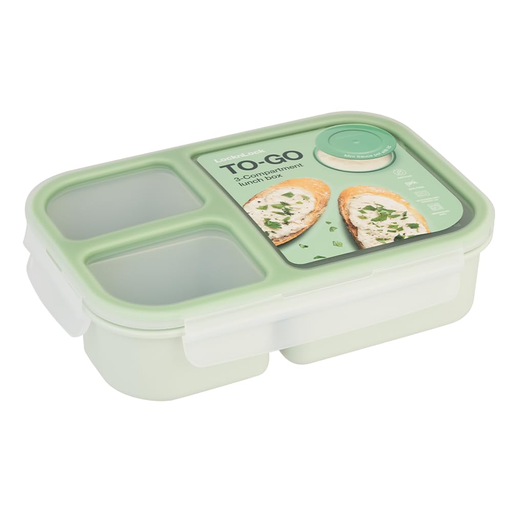
Why This Fits Their Persona: Ideal for professionals who take a complete, varied meal to work. The three compartments allow for separating the main course, side dish, and salad, while the separate sauce container securely transports dressing. Its microwave-safe design allows for easy reheating at the office.
The patented four-sided locking system with a silicone seal is 100% airtight and watertight, solving the problem of leaky containers. The fixed dividers prevent food from mixing.
Integrated, leak-proof sauce container. BPA-free polypropylene that is suitable for the microwave, freezer, and dishwasher.
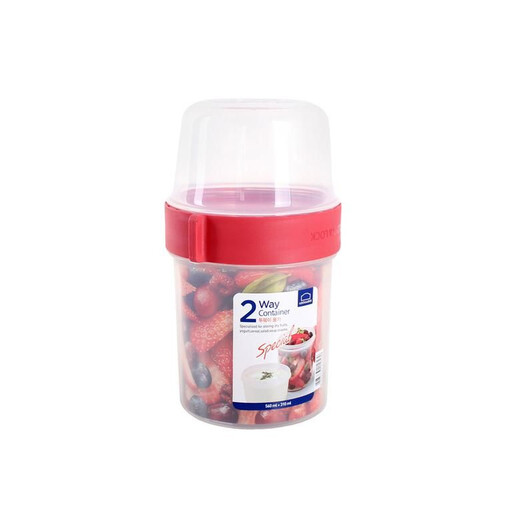
Why This Fits Their Persona: Perfect for health-conscious individuals who want to take snacks like yogurt with granola, or veggies with dip. The 2-in-1 design keeps dry and wet ingredients separate until consumption, ensuring everything stays fresh and crisp.
The physical separation via the screw-on lid with an integrated divider solves the problem of soggy snacks. Unlike with inadequately sealed compartments, ingredients are guaranteed to stay separate here.
Two separate chambers (560 ml + 310 ml) in a compact, cylindrical design. The set of two containers offers flexibility for the entire week.
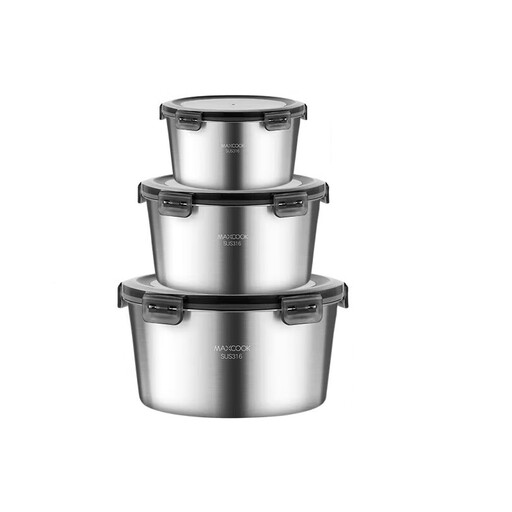
Why This Fits Their Persona: For anyone who prioritises durability, hygiene, and sustainability. This set, made from high-quality 316 stainless steel, is ideal for weekly meal prep and storing leftovers in the fridge or freezer. The three different sizes offer maximum flexibility.
The 316 stainless steel is corrosion-resistant and completely odourless and flavour-neutral. It solves the problem of staining and lingering smells that often occurs with plastic containers.
Extremely durable and hygienic material. The set includes three practical sizes (600 ml, 1100 ml, 2200 ml) for versatile use.
We have compiled a complete, up-to-date list of products that fully meet these strict selection criteria and safety regulations.
The most thorough cleaning is done in the dishwasher. For stubborn odours, especially in plastic containers, it helps to leave the food container filled overnight with a mixture of warm water and a tablespoon of baking soda or vinegar. Rinse it thoroughly afterwards. Stainless steel and glass containers are naturally less prone to odours.
No, metal containers must never be used in a microwave. They can cause sparks and damage the appliance. If you want to heat your food, you should either use a microwave-safe meal prep box made of plastic or glass, or transfer the food from the stainless steel lunchbox to a plate.
BPA (Bisphenol A) is a chemical compound used in the manufacturing of certain plastics. It is suspected that BPA can leach from the plastic into food and affect the human endocrine system. "BPA-free" means that this chemical was intentionally not used in the product's manufacturing, making it a safer choice for food contact.