
Lieferung heute & morgen

Qualitätsgarantie

Willkommens-Angebote freischalten: KOSTENLOSE Lieferung | Bis zu 80 % RABATT | Kostenlose 30-Tage-JoyPlus-Testphase
App herunterladen
A lunchbox should transport meals safely, be easy to clean and perform reliably every day. In practice, however, some product claims can lead to disappointing purchases. A large box is not automatically practical, multiple compartments cannot replace a proper seal, and “microwave-safe” does not always apply to the lid.
This buying guide explains which features really matter when choosing a lunchbox, Bento box or meal-prep box, and which models suit different usage needs.
A clip or screw-top lid alone says little about how leak-proof a container is. What matters is a precisely fitted seal, even pressure and a lid that closes completely. When buying a leak-proof lunchbox, you should therefore look for specific manufacturer information about the seal and test the box with water first, before carrying soups or dressings in your work bag.
Even maximum leak-proofing depends on correct use. Overfilling, damaged seals or incorrectly fitted inserts can allow liquid to escape.
Even with a dishwasher-safe lunchbox, individual sealing components or the lid may only be suitable for cleaning in the top rack. With microwaves, one point is particularly important: often, only the container may be heated, not the closed lid. Before heating, follow instructions such as “remove lid” or “open steam valve”.
The product information should also distinguish between microwave-safe, freezer-safe and ovenproof. These properties are not interchangeable.
A 1.5-litre lunchbox offers plenty of space, but may be awkward to carry in a small bag. Around 700 to 1,000 ml is often enough for a packed lunch. If you take complete meals, side dishes and snacks with you, a larger lunchbox with compartments or a two-part Bento solution is likely to be more useful.
The stated capacity does not always represent the practically usable space either: inserts, rounded corners and dividers reduce the area available for flexible filling.
For lunchboxes for work and school, the following guidelines are useful:
Before buying, check the box’s length, width and height, as well as the internal dimensions of your bag. A transparent or partly transparent design can make it easier to check the contents, but it does not indicate that the box is leak-proof.
A BPA-free lunchbox should come with clear information from the manufacturer. BPA stands for bisphenol A; in the EU, materials that come into contact with food are subject to specific requirements. You should also check the material used for the seal and inserts.
A dishwasher-safe box saves time, provided all relevant parts are approved for dishwasher use. Seals can retain odours, so removable components are practical. With a thermal lunchbox or insulated food jar, temperature preparation is also important: according to the product information, briefly preheating with hot water or pre-cooling may support effective use. Hot food can cause burns. Check the temperature before eating directly from the container.
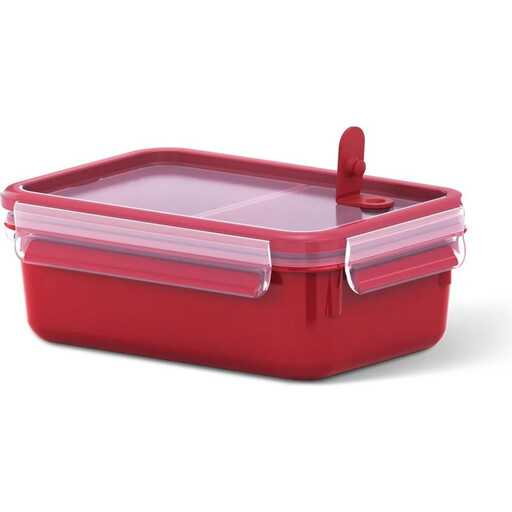
Why this product suits the profile: With a capacity of 1,000 ml and compact dimensions of 195 × 135 × 70 mm, this box is suitable for everyday meals at the office, at school or on the go.
The product information states that it has a leak-proof closure and is suitable for the dishwasher and microwave. The lid should be removed before heating.
1,000 ml capacity, BPA-free product specification and a weight of 283 g.
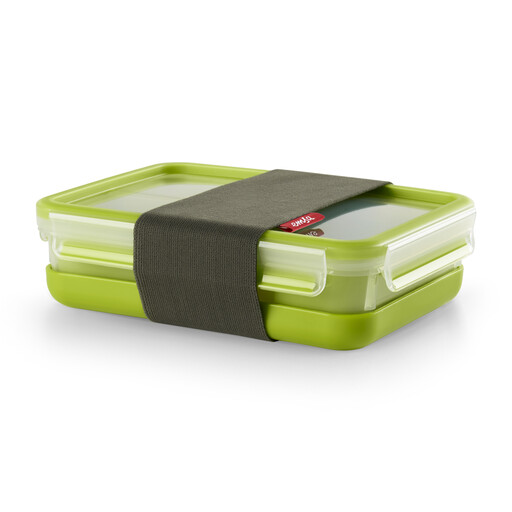
Why this product suits the profile: This box is designed for users who want to transport several foods separately and value flexible cleaning and storage.
The product description mentions a freshness seal, three inserts and a separate plate. The lid must be fastened securely all the way around.
1.2-litre capacity and, according to the product information, suitability for the dishwasher, microwave and freezer compartment at temperatures from −40 to +110 °C.
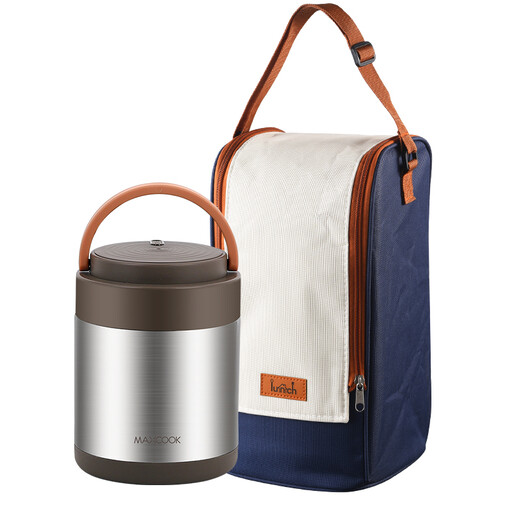
Why this product suits the profile: The wide neck makes it easier to fill and eat soups or hot dishes. This makes the container particularly suitable for commuters and meals on the go.
The product information states that the lid closes tightly and advises against overfilling or transporting the container upside down.
304 stainless steel, vacuum insulation, a wide opening and 1.4-litre capacity; according to the product information, hand-washing is required.
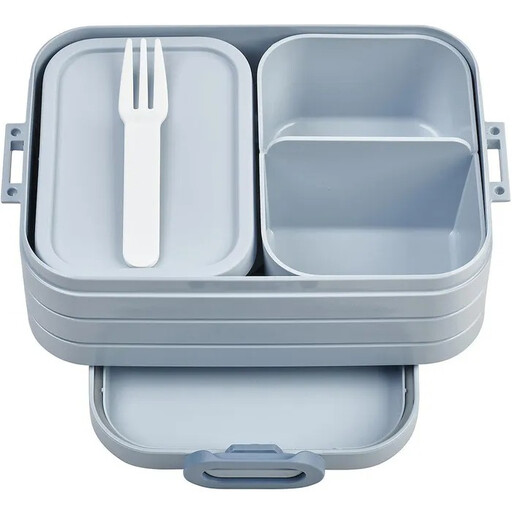
Why this product suits the profile: Two separate sections and an additional box with a fork make it easier to pack a variety of foods for school, the office or days out.
The removable Bento inserts keep foods separate and make cleaning easier. The product warnings concerning microwave and freezer use should be followed.
900 ml capacity, two compartments, an additional box with a fork, BPA-free specification and dishwasher suitability.
We have put together a complete, regularly updated list of products that fully meet these strict selection criteria and the safety regulations applicable in the EU.
For a small packed lunch, around 700 to 1,000 ml is usually sufficient. If you take several components, snacks or a complete meal-prep portion with you, you should allow for around 1,200 to 1,500 ml. The external dimensions and the size of your bag are also important.
No. BPA-free describes the material specification and does not automatically mean that the box is microwave-safe. Check whether the container and lid have been approved separately. In many cases, the lid must be removed or a steam valve opened.
Remove the seal and inserts, if the instructions allow this, and clean all parts promptly. Leave the box open to dry. If odours persist, replacing the seal may be worthwhile. Only use suitable replacement parts from the manufacturer.