
Lieferung heute & morgen

Qualitätsgarantie

Willkommens-Angebote freischalten: KOSTENLOSE Lieferung | Bis zu 80 % RABATT | Kostenlose 30-Tage-JoyPlus-Testphase
App herunterladen
A lunchbox needs to transport meals safely, be easy to clean, and fit your daily routine. Yet product labels like “leak-proof”, “thermal” or “bento” don’t automatically guarantee the right solution. What really matters is the construction, the capacity, and how you’ll use it.
Different requirements apply for professionals, school pupils, students, families and outdoor enthusiasts. A small food container for sandwiches is built differently from a soup thermos or a large meal-prep container. The following criteria will help you avoid common buying mistakes.
The term leak-proof lunchbox describes a product feature, but it doesn’t replace a careful check of the closure and seal. A lid may close tightly during transport and still leak if:
With hot food, steam and pressure can also build up. A container for soup or stew should therefore be sealed and transported according to the manufacturer’s instructions. For thermal containers, bear in mind that carbonated drinks may not be suitable.
A lunchbox with compartments is handy when you want to keep fruit, bread, sides and snacks separate. However, compartments reduce the flexible interior space. For large portions or liquid foods, a single, wide container is often more practical.
So don’t just look at the number of dividers – consider the overall size. A 1.5-litre lunchbox might be suitable for a long working day or for several people, but it will take up more room in your bag.
A stainless steel lunchbox can be robust and odour-resistant. But heat insulation only comes from a specific construction, such as vacuum insulation. A simple stainless steel box won’t keep temperatures the same way as an insulated thermal food container.
Cleaning should also factor into your decision. Wide openings make filling, removing food and washing easier. Lids with seals can trap residue if they aren’t accessible or removable.
The portion size you actually need is more important than the largest possible number on the label. As a guide:
Also compare the external dimensions with your work bag, school rucksack or daypack. A container weighing around one kilogram can be noticeably heavy on the go, even if the capacity is useful.
Stainless steel models often use 304 or 316 stainless steel. Both material names are technical specifications and shouldn’t be taken as a blanket promise of quality. What also matters are the lid material, seal, workmanship and care instructions.
Plastic boxes made from PP (polypropylene) are usually lightweight and easy to carry for everyday use. Check whether the manufacturer provides information about suitability for food contact, microwave, dishwasher and freezer. These properties don’t automatically apply to every component. For example, with the Mepal Bento Lunchbox, the removable boxes can be used in the microwave without the lid, but the product is not intended for the freezer according to the product description.
A soup thermos or insulated food container is ideal for soups, stews, rice dishes or other warm meals. The Maxcook models in this selection feature vacuum insulation, a wide filling opening and a tight-sealing lid, according to the product description. For temperature performance, the 304 model states a duration of around four to six hours. This figure depends on usage, starting temperature, and pre-warming or pre-cooling.
It’s practical to prepare the container by rinsing it with hot or cold water for a few minutes before filling. The lids and seal areas should be hand-washed according to the manufacturer’s instructions. Not every insulated container is dishwasher-safe or microwave-safe. Metal containers should never go in the microwave.
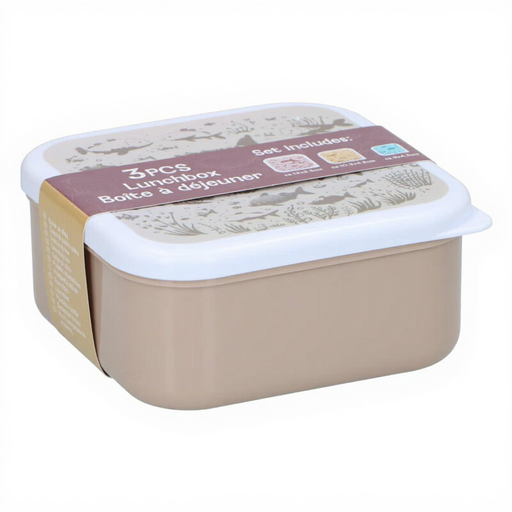
Why this product fits the profile: The set contains three sizes made from PP and covers main dishes, sides, snacks or dressings. The total weight of around 180 grams makes it easier to carry in everyday life.
The different sizes prevent you from buying an oversized single box for small portions. Before purchasing, compare the stated dimensions with your intended use.
Three stackable containers, low total weight and multiple uses for meal prep, school or a picnic.
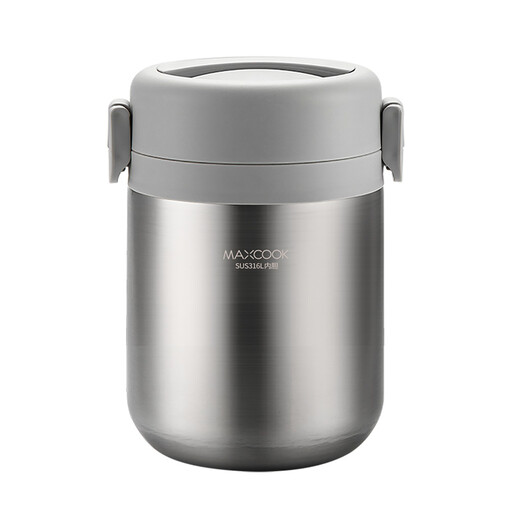
Why this product fits the profile: According to the product information, the 1.5-litre container is made from 316 stainless steel, is vacuum-insulated and has a wide opening for filling and eating.
The product description specifically mentions the material, vacuum insulation and wide opening. This allows you to verify important details before buying, rather than relying on general thermal terms.
316 stainless steel, 1.5-litre capacity, wide opening and stated leak-proof construction.
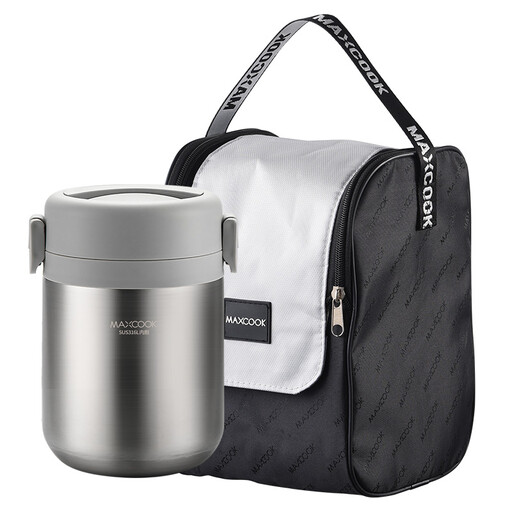
Why this product fits the profile: The combination of a vacuum-insulated 316 stainless steel container and an included insulated lunchbag is designed for the commute, outdoor activities and longer transport.
The additional bag reduces the risk of having to choose a container and transport cover separately. Make sure the lid is fully closed before every journey.
1.5-litre capacity, vacuum insulation, wide opening and included lunchbag; hand-wash the container and wipe the bag clean.
We’ve put together a full, regularly updated list of products that meet these strict selection criteria and the safety regulations in force in the EU.
For soup, stew or other liquid foods, a wide thermal food container with a tight-sealing lid is more suitable than a classic sandwich box. Check the capacity, seal, cleaning instructions and any note about carbonated drinks. Pre-warming with hot water before filling can help maintain the intended temperature.
The lifespan depends on the material, closure, cleaning and daily wear. Look out for cracks, deformed lids and perished seals. With regular hand-washing and proper use, high-quality containers can remain usable for a long time; however, without a manufacturer’s statement, a specific shelf life cannot be given.
A bento box is suitable for meal prep if the compartments match your portion sizes and you want to keep foods separate. For very liquid dishes or large quantities, a separate meal-prep container with an easily accessible seal may be more practical. Also check whether the box and lid are approved for the microwave, dishwasher or freezer.