Who is a fridge for lunchbox desserts suitable for?

Lunches for several days

If you prepare several portions of desserts that need to be kept chilled, you’ll need space for them alongside your other shopping. Storage requirements depend on the dessert. The German Federal Institute for Risk Assessment recommends storing highly perishable foods in a fridge at between 2 °C and a maximum of 7 °C, and keeping them chilled while you’re out.

Small kitchens

For dessert portions in a small kitchen, you’ll need to decide whether you have space for a freestanding appliance, a built-in model or an under-counter fridge. The manufacturer’s stated niche and appliance dimensions apply to the specific model; the consumer advice centre recommends choosing an appliance size to suit your needs.

Households mindful of energy use

If you want to choose the right size and factor in energy use, compare the stated annual consumption in kWh. The consumer advice centre points out that larger fridges can use more electricity, while the German Environment Agency explains the energy label for fridges and freezers.

What should you look for when choosing one?

Freestanding fridge or table-top model

A good fit if: you don’t have a suitable built-in niche and are looking for a freestanding appliance.

Consider: a compact appliance may not offer enough usable fridge space for several prepared portions alongside your usual groceries; a freezer compartment takes up extra space, too.

Built-in fridge without a freezer compartment

A good fit if: you have a suitable built-in niche and need fridge space rather than an integrated freezer. Siemens Home Appliances lists the KI31RADD1 as a model without a freezer compartment, with 165 l of fridge capacity.

Consider: the niche and door specifications must match the exact model; you’ll need another solution for food you want to freeze.

Built-in fridge with a freezer compartment

A good fit if: you want to freeze food as well as store lunchbox desserts, and the niche suits the model. Bosch Home Appliances lists the KIL42ADD1 as having a freezer compartment and 172 l of fridge space.

Consider: check the fridge and freezer capacities separately to make sure the extra freezer space doesn’t take up room you need for desserts.

Under-counter fridge

A good fit if: the appliance needs to fit under a worktop or into a designated under-counter space.

Consider: dimensions and design vary across the range; a freestanding model isn’t a suitable alternative unless you’ve checked the installation requirements.

Priority What to check before buying Who it matters most to
Keeping food chilled until you eat it Follow the dessert’s storage instructions and plan how you’ll keep it chilled on the way to your lunch break. If I’m taking a dessert that needs to be kept chilled, it must stay cold after I leave home. Around 36 % of consumers put keeping food chilled until it’s eaten first.
Space and design Check the fridge capacity against your containers and groceries, and measure the appliance and niche. If several portions need to fit alongside my usual shopping, usable fridge space and a suitable installation are key. Around 29 % of consumers prioritise this.
Energy use Compare the annual consumption in kWh of appliances that are the right size and have the features you need. When choosing an appliance for everyday use, I want to consider its annual energy consumption as well as its size. Around 21 % of consumers put this first.
Extra freezer compartment Work out how much freezer space you need and check the stated fridge and freezer capacities separately. If I want to freeze food as well as store desserts, a separate freezer compartment is useful. Around 14 % of consumers put this extra requirement first.

Avoid common buying mistakes

  • Assuming your fridge at home will keep your lunch chilled all the way

    Food that needs to be kept chilled still needs to stay cold after you leave home. A fridge at home won’t automatically keep your dessert chilled while you’re out.

    Plan how you’ll transport it and store it at your destination, and follow the dessert’s storage instructions. You may need a suitable cool bag and ice packs for the journey.

  • Confusing total capacity with usable fridge space

    The stated total capacity may include freezer space. For prepared dessert containers, what matters is the available fridge space and how it’s laid out inside.

    Compare the stated fridge capacity, shelves and container dimensions separately from the freezer capacity.

  • Choosing a built-in or under-counter model by width alone

    Built-in and under-counter models have different installation dimensions and requirements. For example, the niche specifications for the Siemens KI31RADD1 apply only to that model.

    Before buying, check the full model number, installation diagram, ventilation requirements and door fitting. If the niche isn’t suitable, you may need to do extra planning or installation work.

  • Comparing only the energy rating

    Both the appliance size and its stated annual energy consumption matter when choosing a fridge. The energy rating alone doesn’t tell you whether it offers the fridge space you need.

    First choose a suitable size, then compare the annual consumption in kWh of appliances with the right capacity and features.

Brands to consider

Siemens

The built-in KI31RADD1 is an example of a fridge without a freezer compartment. Siemens Home Appliances lists 165 l of fridge capacity and annual energy consumption of 77 kWh for this model.

  • You can compare fridge capacity, energy consumption and installation dimensions using the model specifications.
  • This model is designed to be built in; its specifications don’t apply to every Siemens fridge.

Bosch

The KIL42ADD1 is an example of a built-in fridge with an integrated freezer compartment; Bosch Home Appliances lists 172 l of fridge space.

  • A freezer compartment can be useful if you actually want to freeze food as well.
  • Check the installation dimensions and the fridge space available for your dessert portions on the specific model.

Beko

The freestanding TSE1284N table-top model is an example of a compact option. Beko lists 101 l of fridge space and a reversible door.

  • A freestanding design doesn’t require a built-in niche.
  • Check whether the fridge space and shelves can accommodate several prepared portions. The manufacturer’s MinFrost claim is not an independent measure of performance.

Amica

According to Amica, its under-counter range includes models with and without a low-temperature compartment, making it worth considering if you have a designated under-counter space.

  • The range includes different designs for under-counter installations.
  • Dimensions and energy ratings vary by model; you can’t determine whether an appliance will fit or how much energy it uses from the brand name alone.

Fridges at Joybuy

The range includes everything from freestanding table-top models to built-in and under-counter fridges, as well as side-by-side models; some have a separate freezer compartment. Compare the stated fridge space with the size of your containers and check the required niche for built-in appliances.

LG GBBSJ1CCPY fridge freezer, 333 l total capacity

LG GBBSJ1CCPY fridge freezer, 333 l total capacity

The freestanding fridge offers space for dessert portions alongside other food, with a separate freezer compartment.

220 l fridge capacity; 113 l freezer capacity; 37-litre freshness zone; three shelves; reversible door; energy rating C.

View at Joybuy
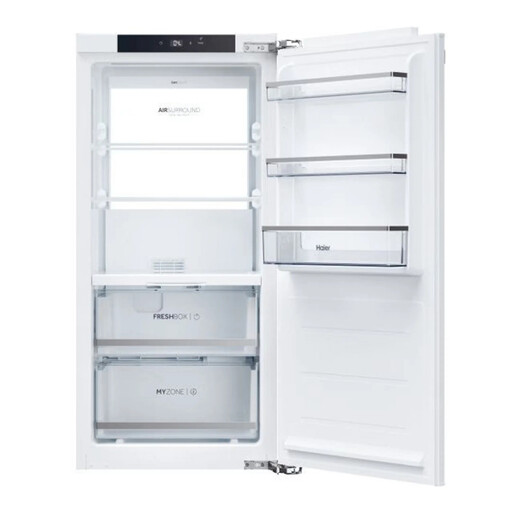
Haier HATL 126 DE under-counter fridge

Haier HATL 126 DE under-counter fridge

Designed for a designated under-counter niche if you’re looking for a fridge without a freezer compartment.

173 l fridge capacity; three adjustable shelves and three door balconies; electronic temperature control with digital display. The description specifies a niche height of 1223 mm; check the installation instructions and ventilation requirements.

View at Joybuy
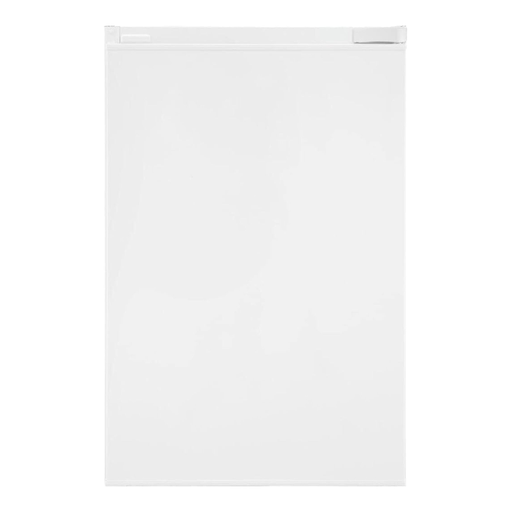
Beko B1804N built-in fridge freezer, 126 l net capacity

Beko B1804N built-in fridge freezer, 126 l net capacity

A built-in option if you need a separate freezer compartment as well as fridge space.

92 l fridge capacity; 15 l freezer capacity; reversible door; energy rating E. The description specifies an 88 cm niche height and requires adequate ventilation.

View at Joybuy
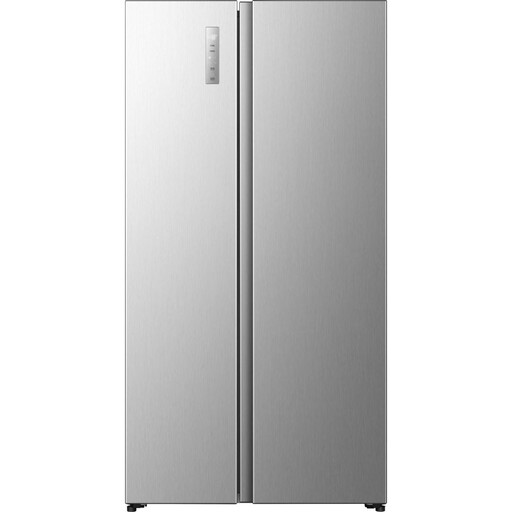
Hisense RS3P558NEIE side-by-side fridge, energy rating E

Hisense RS3P558NEIE side-by-side fridge, energy rating E

The separately stated fridge capacity may suit you if you need room for several prepared portions alongside other food.

347 l fridge capacity; 544 l total capacity; adjustable glass shelves; electronic temperature control with display.

View at Joybuy
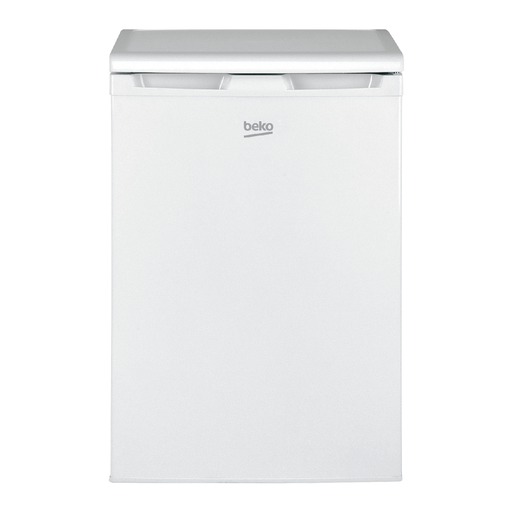
Beko TSE1284N b100 table-top fridge freezer, 114 l total capacity

Beko TSE1284N b100 table-top fridge freezer, 114 l total capacity

This freestanding table-top model is a compact option if space is limited and you need a freezer compartment.

101 l fridge capacity; 13 l freezer capacity; glass shelves; salad drawer; reversible door. The description recommends leaving at least 5–10 cm of space at the back and sides.

View at Joybuy

Frequently asked questions about fridges for lunchbox desserts

Will a cold fridge at home be enough if I’m not eating my dessert until lunchtime?

No. If your dessert needs to be kept chilled, you’ll also need to keep it cold after taking it out of the fridge and until you eat it. The German Federal Institute for Risk Assessment recommends storing highly perishable foods at between 2 °C and a maximum of 7 °C, and keeping them chilled while you’re out. Also follow the storage instructions for the specific dessert.

What should I check before installing a built-in fridge?

Measure the niche or under-counter space, then check the dimensions and door fitting against the instructions for the exact model. For example, Siemens Home Appliances lists a niche height of 1025 mm, a niche width of 560 mm, a niche depth of 550 mm and a flat hinge for the KI31RADD1. These dimensions don’t apply to other models.

How should I compare energy consumption?

For appliances with the right size and features, compare the stated consumption in kWh per year. Fridges covered by the regulations use the current EU energy label, with ratings from A to G; the German Environment Agency explains the label and the related product information.

Does a retailer have to take my old fridge away for free?

Under Section 17 of the German Electrical and Electronic Equipment Act (ElektroG), retailers covered by the conditions set out there must accept an old appliance free of charge when you buy a new one, provided it is of the same type and performs essentially the same functions. For deliveries to private households, the law also provides for free collection, subject to its conditions. Tell the retailer you want to return your old appliance during the order process; this doesn’t mean every seller is subject to the same requirements.

Do new household fridges have to carry an EU energy label?

Labelling requirements apply to fridges covered by the relevant EU regulations. The current label uses ratings from A to G and includes information such as energy consumption and noise level. Check the label for the specific model.