
Lieferung heute & morgen

Qualitätsgarantie

Willkommens-Angebote freischalten: KOSTENLOSE Lieferung | Bis zu 80 % RABATT | Kostenlose 30-Tage-JoyPlus-Testphase
App herunterladen
A lunchbox for on the go needs to do more than just hold food. It has to stay sealed in your rucksack, suit your portion sizes, and be easy to clean after use. However, the features that matter most aren't the same for professionals, school pupils, students, parents, or those into outdoor activities and meal prep.
Three common buying mistakes often lead to the wrong purchase:
For a small break-time snack, around 600 to 1,000 ml is often enough. If you want to carry a full meal, fruit and snacks, you may need more volume. A meal prep container with multiple sizes is especially useful if your portions vary regularly.
A bento lunchbox or a lunchbox with compartments separates, for example, your side dish, main component and snack. Check whether the dividers are fixed or removable. Fixed compartments give you a clear layout, while removable inserts make the box more flexible.
For a leakproof lunchbox, you need to consider the lid, silicone seal and locking mechanism together. A single clip, double latches or a screw-top lid each offer different handling. Also check:
Before first use, it's a good idea to test the box with water over a sink. Let hot food cool down before sealing it, unless the manufacturer advises otherwise.
A stainless steel food container is resistant to odours and stains, and is robust for daily use. However, stainless steel containers generally cannot go in the microwave. With plastic containers, the specific labelling is key: "microwave-safe" may refer to the container itself, but not necessarily the lid.
If you're looking for a dishwasher-safe food container, check whether this applies to all parts. Seals may have special care instructions. After washing, let the container and seal dry completely before storing them closed.
For soup, stew or hot meals, a thermal food container or soup thermos is more suitable than a standard lunchbox. Pay attention to the capacity, opening width, closure and whether hand-washing is required. Pre-warming with hot water may be part of the intended use for vacuum-insulated containers.
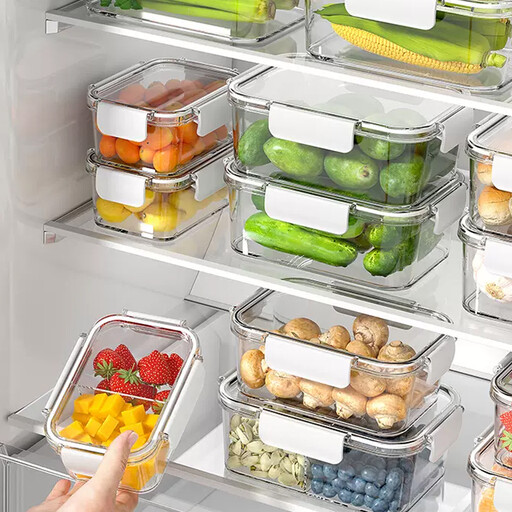
Why this product fits the profile: The set includes three sizes: 450 ml, 950 ml and 1,800 ml. This lets you choose the box depending on whether you need a snack, a meal or storage.
The three volumes reduce the risk of being stuck with a box that's too small or too large. According to the product description, the lids have silicone seals; for microwave use, the lid should be opened.
Transparent containers, stackable rectangular shape and multiple sizes for the fridge, office or a picnic.
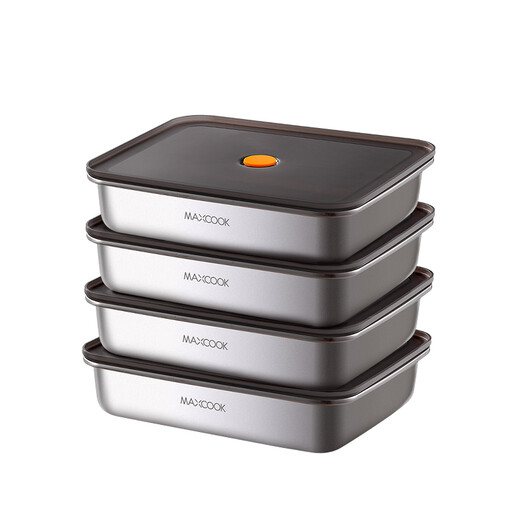
Why this product fits the profile: The stainless steel food container is made from 316L stainless steel according to the product information, and includes four containers each with a 1,600 ml capacity.
The uniform sizes make meal planning easier. The product description states they are dishwasher-safe and freezer-safe; you should check the lid instructions before use.
Four identical containers with 1,600 ml each, stainless steel construction, and stated suitability for the freezer and dishwasher.
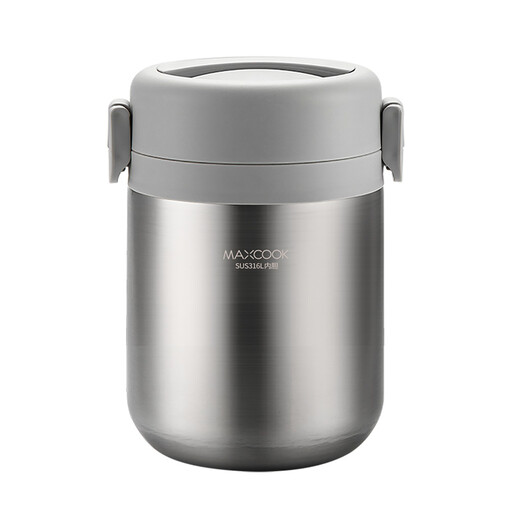
Why this product fits the profile: The 1.5-litre soup thermos features vacuum insulation, a wide opening and a leakproof closure according to the product description.
The wide opening makes filling and cleaning easier. The container is not suitable for the microwave and, according to the information, is not intended for the dishwasher.
1.5 l capacity, 316 stainless steel, vacuum insulation and a wide opening for soups or hot dishes.
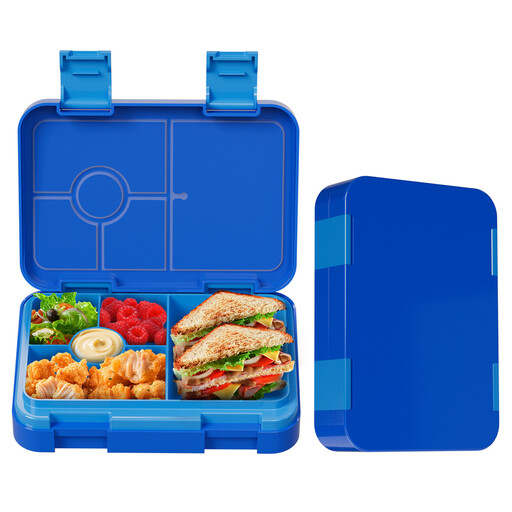
Why this product fits the profile: Five compartments are ideal for users who want to transport fruit, snacks and main components separately.
The double latches address the risk of a loose-fitting lid. For very liquid foods, buyers should check the specific seal and transport information.
Five-compartment layout and two latches for organised transport of break-time meals.
We've put together a full, regularly updated list of products that fully meet these strict selection criteria and the safety regulations in force in the EU.
For snacks and smaller break-time portions, 450 to 800 ml can be enough. For a full meal, many practical sizes fall between around 900 and 1,600 ml. What matters most is your appetite, your meal plan and the bag you're carrying. A set with multiple sizes is a good idea if your portion sizes change often.
The lifespan depends on the material, closures, seal and how you care for it. Stainless steel containers are durable with careful handling. However, seals and clips can be wear-and-tear parts. Check regularly that the seal is clean, elastic and undamaged, and replace the container if it develops cracks or a persistent odour.
A stainless steel lunchbox is robust and generally resistant to odours, but it cannot go in the microwave. Plastic boxes can be lighter and, depending on the labelling, may be suitable for heating. For hot, liquid meals, an insulated thermal food container is the more appropriate design. What matters most are the specific details for each product.