
Lieferung heute & morgen

Qualitätsgarantie

Willkommens-Angebote freischalten: KOSTENLOSE Lieferung | Bis zu 80 % RABATT | Kostenlose 30-Tage-JoyPlus-Testphase
App herunterladen
A lunchbox with compartments is designed to keep meals separate, stay sealed in your rucksack, and be easy to clean. In practice, however, unclear material specifications, unsuitable closures or compartments that are too small can quickly lead to a poor purchase. This applies equally to professionals, school pupils, students, parents and anyone preparing meals for several days in advance.
A box can seal tightly all around, while the internal dividers don’t reach the lid. Thin liquids such as soup, dressing or sauce can then spill between the compartments. If you want to transport liquid foods, you should therefore look for separate inserts, a dedicated sauce pot, or fully sealed internal chambers.
With many models, only the container itself is suitable for the microwave. The lid must be removed completely to prevent pressure building up. Details such as “up to 120 °C” or “microwave-safe without lid” are therefore more important than a general marketing claim about heat resistance.
A 1.2-litre lunchbox can be suitable for a full lunch with a side dish. For a small snack, it may be unnecessarily bulky. Conversely, a compact box won’t be enough for a large salad or a generous meal prep portion. What matters are the external dimensions, the internal layout and the actual usable space.
A BPA-free lunchbox made from polypropylene (PP) is lightweight, shatterproof and widely used for daily transport. For products sold on the German market, verifiable information about food contact should be provided. A BPA-free label refers to Bisphenol A and does not replace checking other product details such as temperature range, care instructions and manufacturer specifications.
Alternatively, a stainless steel box can be appealing if robustness and a metallic interior surface are more important. However, stainless steel models are often not suitable for the microwave. The material should therefore match your intended use.
For a leak-proof lunchbox, several points are relevant:
A four-sided closure distributes the pressure evenly around the lid. When closed correctly, this can make transporting liquid foods easier. Even so, the box should always be transported upright unless the manufacturer states otherwise.
A microwave-safe lunchbox should usually only be heated without the lid. For freezing, temperature limits such as −20 °C are relevant. A dishwasher-safe lunchbox saves time, although for seals and small inserts, the top rack is often recommended. Before closing the box again, all parts must be completely dry to reduce the build-up of odours.
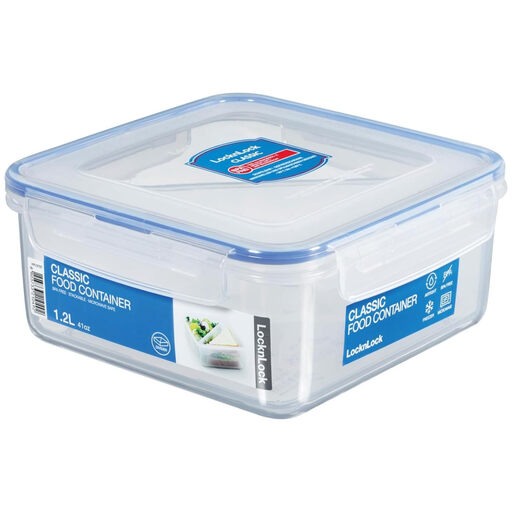
Why this product suits the profile: The transparent 1.2-litre box is designed for sandwiches, snacks and simple work or school meals. An integrated divider separates the interior.
The product details state BPA-free material and an airtight, leak-proof closure. The divider prevents direct contact between sandwich components.
1.2-litre capacity, microwave-safe without lid and dishwasher-safe.
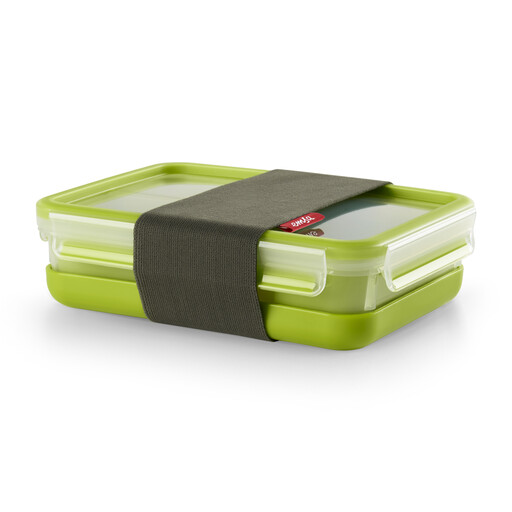
Why this product suits the profile: Three inserts and an additional plate allow a structured arrangement for work, outings and prepared meals.
The details mention a freshness seal, three inserts and a separate plate. The manufacturer specifies a temperature range of −40 °C to +110 °C.
According to product details, dishwasher-safe, microwave-safe and freezer-safe; includes a carry strap.
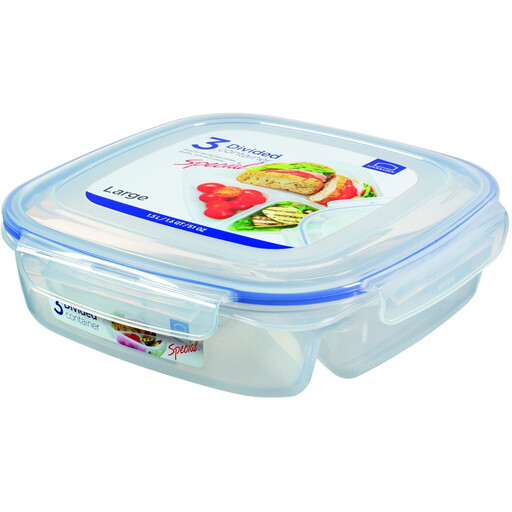
Why this product suits the profile: The layout of one large and two small sections is ideal for meal prep, main courses, side dishes and snacks.
The three sections separate solid foods. According to the product description, the dividers are not fully sealed against thin liquids; sauces should therefore be packed separately.
BPA-free PP, −20 °C to 120 °C according to details, and cleaning on the top rack of the dishwasher.
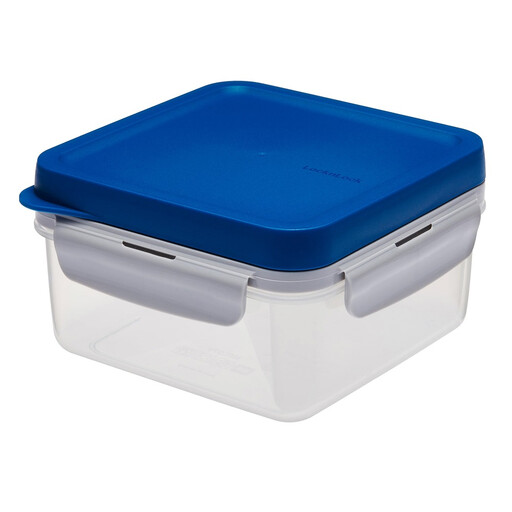
Why this product suits the profile: A removable three-way divider, cutlery and a sauce pot cover a range of everyday situations – from the office to travel.
The product data mention a four-sided closure, silicone seal and separate inserts. For the microwave, the lid must be removed.
1.2 litres, BPA-free PP, cutlery set and sauce pot; according to details, freezer-safe and dishwasher-safe.
Even a robust lunchbox with compartments needs regular care. The seal and closure should be completely dry after washing. If you notice cracks, warping, damaged clips or brittle plastic, the box should no longer be used. Abrasive sponges and harsh cleaning agents can damage surfaces and seals.
For meal prep, it is advisable to let the portions cool down before closing the lid. When freezing, leave a little room for the food to expand. An airtight storage container is not automatically suitable for hot food, the oven or the hob.
We have compiled a complete, regularly updated list of products that fully meet these strict selection criteria and the safety regulations in force in the EU.
For a normal lunch, models between around 1.0 and 1.5 litres are often in the practical range. 950 millilitres are more suitable for smaller meals or salads. Alongside volume, the external dimensions and the height of the compartments are also decisive.
That depends on the lid, seal and internal layout. A fully sealing lid protects against liquid, but does not necessarily prevent spillage between internal compartments. For dressing, soup or sauce, a separate container is the controllable solution.
A fixed lifespan cannot be given as a general rule. It depends on cleaning, temperature exposure, frequency of use and the condition of the seal. Regular visual checks and replacement if cracks or warping appear help to keep the box safe and functional.