
Lieferung heute & morgen

Qualitätsgarantie

Willkommens-Angebote freischalten: KOSTENLOSE Lieferung | Bis zu 80 % RABATT | Kostenlose 30-Tage-JoyPlus-Testphase
App herunterladen
A lunchbox should transport meals safely, be easy to clean and suit your everyday routine. In practice, however, unclear product information, unsuitable fastenings or misjudged dimensions can quickly lead to disappointing purchases. This applies just as much to a simple lunch box as to a bento box, meal-prep box or insulated lunchbox.
The term leakproof lunchbox is only practically meaningful when the lid, seal and fastenings work reliably together. A loosely fitting lid may be sufficient for dry snacks, but it is less suitable for yoghurt, dressing or soup. Look for a full silicone seal, clips or a sealing system that is explicitly described.
Important: even a tightly sealed lunchbox must be filled correctly and closed completely. Overfilling, trapped seals and damaged lids can affect its leak resistance.
A lunchbox with compartments can keep food separate. However, it is important to check whether the dividers are permanently integrated or removable, and whether the individual sections are genuinely sealed off from one another. In a bento box, dividers do not automatically prevent liquid from reaching other sections.
For dry foods such as bread, fruit or nuts, open sections are often sufficient. For salad dressings, sauces or moist side dishes, a separate container with a secure seal is more practical.
For many models, “microwave-safe” does not mean that the fully closed container can be heated. The lid often needs to be removed or a steam valve opened. A dishwasher-safe lunchbox may also come with restrictions, such as a recommendation to place it in the top rack.
You should therefore read the instructions and observe the temperature limits. Do not place a lunchbox on a hob or in the oven unless this is expressly permitted.
For many everyday situations, a 1-litre lunchbox is a well-balanced starting point. It provides room for a main meal and side dishes, while usually still fitting easily into a work bag or rucksack. For smaller snacks, 700 to 900 ml may be enough. If you want to carry soup, larger portions or meals for longer days, plan for a higher capacity.
As well as volume, compare the length, width and height. Depending on its design, a 1,000 ml container may fit very differently in a bag, fridge or microwave.
Polypropylene plastic models are usually lightweight and are often designed for use in the microwave, freezer and dishwasher. With a BPA-free lunchbox, this feature should be stated explicitly in the product information. For the plastic models mentioned here, BPA-free construction is specified in the respective product details.
A stainless steel lunchbox is robust and typically absorbs fewer odours. However, it is not automatically microwave-safe. Double-walled stainless steel containers with vacuum insulation are generally not intended for microwave use.
Check whether the seal can be removed and is easy to clean. Food residue beneath the seal can cause odours and make hygienic cleaning more difficult. A cutlery set, sauce pot or removable inserts can make everyday use easier, but they also increase the number of individual parts.
A wide opening is useful for hot food and soup. An insulated lunchbox or food jar keeps food at a particular temperature for a certain period, depending on its design, but it is not a substitute for refrigeration. The manufacturer’s specific guidance on usage time and temperature should be followed.
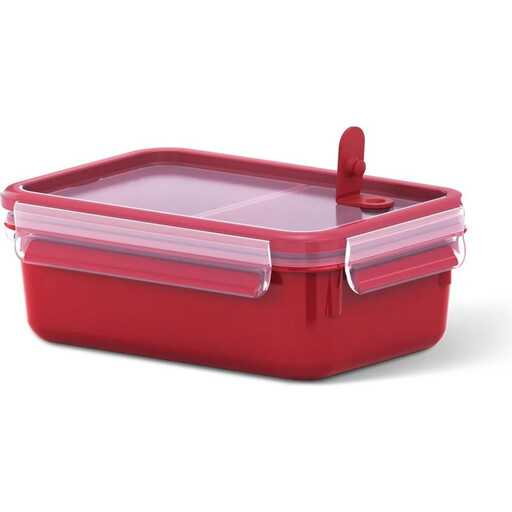
Why this product suits this profile: This rectangular lunchbox offers a 1,000 ml capacity and measures 195 × 135 × 70 mm. According to the product information, it is leakproof, dishwasher- and microwave-safe, and BPA-free.
The stated features cover key everyday requirements. The lid must be removed for heating, as specified in the instructions.
1-litre format, weighing 283 g, with dishwasher and microwave suitability according to the product information.
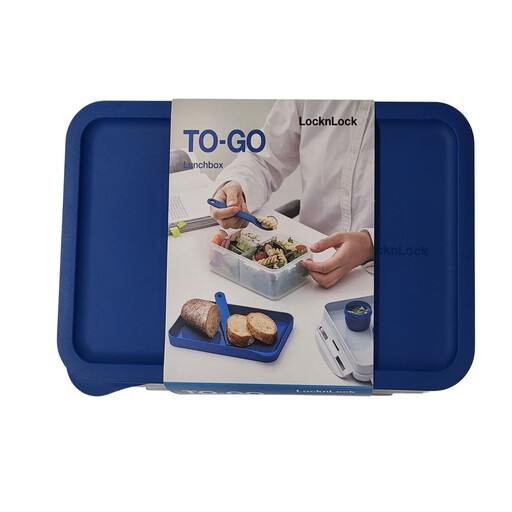
Why this product suits this profile: Three removable compartments, a cutlery set and a sauce container make it easy to enjoy varied meals at the office, at school or while travelling.
The four-sided fastening system and stated seal address the common weakness of loosely closing lids. The lid must be removed when heating food.
1,000 ml capacity, three removable compartments, cutlery and sauce pot; according to the product information, suitable for the freezer, microwave without the lid and dishwasher.
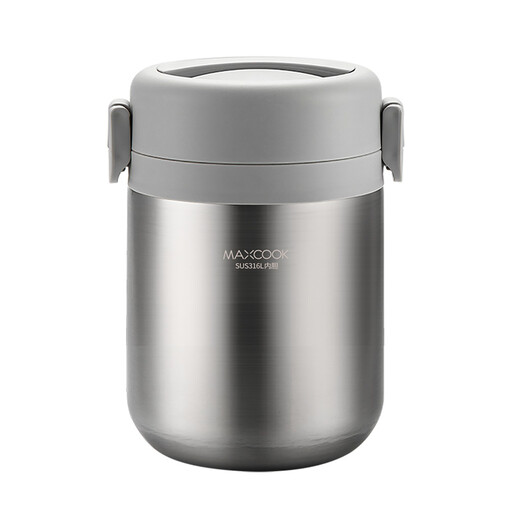
Why this product suits this profile: The wide opening and vacuum insulation are well suited to soups and hot meals on the go. Its capacity is aimed at people with larger requirements.
The product information explicitly states that it is not microwave-safe and should be cleaned by hand. This makes important restrictions clear before purchase.
1.5-litre capacity, 316 stainless steel, vacuum insulation and a wide opening; designed to be leakproof according to the product description.
We have put together a complete, regularly updated list of products that fully meet these strict selection criteria and the safety regulations applicable in the EU.
For a single meal, 900 ml to 1 litre is often practical. Adults with larger portions, or people who also take fruit and snacks with them, may prefer a model from 1.2 litres upwards. For children, weight and ease of use are just as important as capacity.
No. Check whether the manufacturer explicitly mentions liquids and whether the lid has a full seal. For soup, food jars with wide openings are often more suitable than a shallow lunchbox with open compartments.
Its lifespan depends on the material, fastening, cleaning and how it is used. Regularly checking the seal is more important than relying on a general number of years. If the lid becomes brittle, no longer seals properly or the container develops cracks, the lunchbox should be replaced.