
Lieferung heute & morgen

Qualitätsgarantie

Willkommens-Angebote freischalten: KOSTENLOSE Lieferung | Bis zu 80 % RABATT | Kostenlose 30-Tage-JoyPlus-Testphase
App herunterladen
As a Joybuy Product Recommendation Officer, I see every day how diverse the range of exotic foods is becoming. Asian beverages, especially lychee drinks, are gaining more and more traction. However, the search for the right product can quickly become overwhelming. It's not uncommon for a purchase to lead to disappointment because the drink doesn't meet expectations. The most common pitfalls are misleading labels, an unexpectedly high sugar content, or a consistency that doesn't suit your personal taste.
This guide will help you navigate these hurdles. We'll highlight the key features to look for so you can find the exact lychee drink you're craving.
Before you buy a lychee drink, three objective criteria are crucial for assessing the product's quality and character. You'll find this information directly on the label, and it will protect you from unpleasant surprises.
In many regions, product designations are strictly regulated and provide a crucial clue about the actual contents.
The order of ingredients indicates their proportion by weight. If sugar (or fructose syrup) is listed second, right after water, the drink is likely very sweet, and the actual fruit taste may be overshadowed. Also, pay attention to the term "flavouring." A "natural lychee flavouring" is derived from the fruit itself, whereas simple "flavouring" can be synthetically produced.
Lychee drinks come in different varieties. While brands like Foco Lychee or Yeo's Drink typically offer clear, smooth liquids, others are known for their unique texture. A popular example is Mogu Mogu Lychee, a drink with fruit pieces. These pieces are often Nata de Coco (coconut gel), which adds a chewable component to the drinking experience. Anyone expecting a pure juice might be surprised.
Based on these objective criteria, we have selected a few products from our range that cater to different preferences.
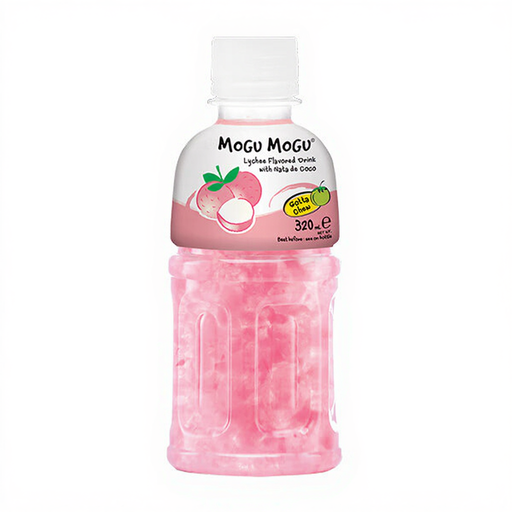
Why This Fits Their Persona: Ideal for anyone looking for a drink that's also a small snack. The combination of sweet lychee flavour and chewy Nata de Coco pieces offers a unique and fun drinking experience.
The product name makes it clear that this is a drink with additions. It avoids the pitfall of mismatched texture expectations, as the fruit pieces are the main feature.
Contains 25% lychee juice and 25% coconut juice. The combination of drinking and chewing creates a special moment of enjoyment.
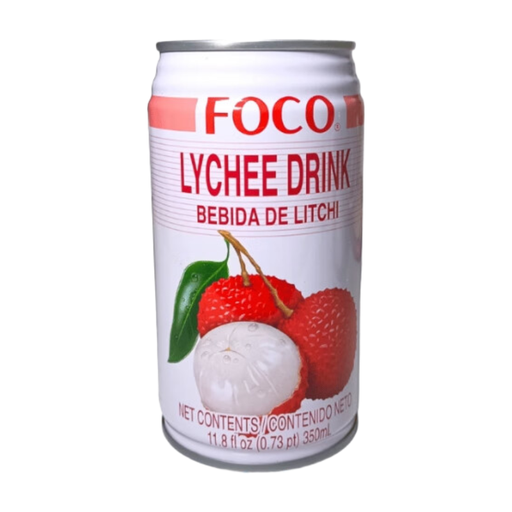
Why This Fits Their Persona: Perfect for purists seeking the pure, unadulterated, sweet-floral taste of lychee in a smooth drink without pieces or carbonation. A classic, just like you'd find in Asian restaurants.
With a 30% fruit content, this drink exceeds the minimum requirement for a nectar, delivering an intense fruit flavour that isn't masked by excessive sugar.
High fruit content for an authentic flavour profile. Simple ingredients list with no unnecessary additives.
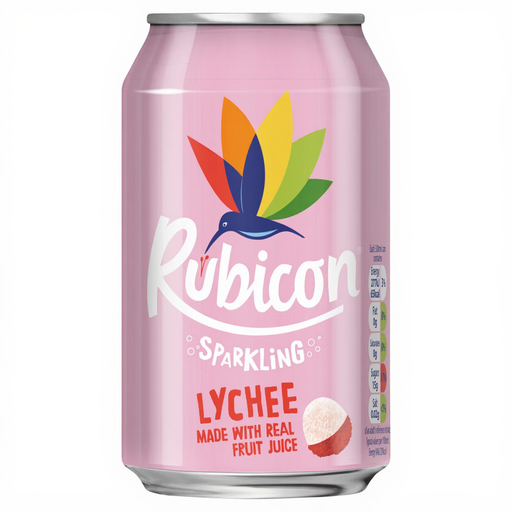
Why This Fits Their Persona: For those who prefer a lighter, carbonated alternative to classic fruit juices. It's a refreshing choice for warm days or as a special ingredient for mocktails.
The clear "Sparkling" label prevents confusion with still nectar. At only 19 kcal per 100 ml, it's a calorie-conscious option that avoids the "hidden sugar trap."
Light and fizzy due to carbonation. Lower in calories than many comparable fruit nectars.
We've compiled a complete, up-to-date list of products that fully meet these strict selection criteria and local food regulations.
The main difference lies in the fruit content. Lychee juice must be 100% fruit, whereas lychee nectar has a lower, but legally defined, minimum fruit content (25% for lychee) and may also contain added water and sugar. Most commercially available lychee drinks are nectars or fruit juice drinks.
Nata de Coco is a chewy, jelly-like product made from the fermentation of coconut water. In drinks like Mogu Mogu Lychee, it is cut into small cubes and provides an interesting, chewable texture. It is neutral in taste and absorbs the flavour of the surrounding beverage.
Most Asian drinks, including lychee nectar, develop their best flavour when served well-chilled. A temperature between 6 and 8 °C is ideal. They can be enjoyed straight, served over ice, or used as a base for mocktails. Before opening, you should give the bottle or can a gentle shake in case any fruit particles have settled.