
Lieferung heute & morgen

Qualitätsgarantie

Willkommens-Angebote freischalten: KOSTENLOSE Lieferung | Bis zu 80 % RABATT | Kostenlose 30-Tage-JoyPlus-Testphase
App herunterladen
Lychee drinks and snacks vary considerably in fruit content, sweetness, texture and serving size. Many products look similar in product images, even though a lychee juice drink, lychee soda, jelly dessert and lychees in syrup are designed for completely different uses. Checking the ingredients list and nutritional information only after buying can therefore quickly lead to disappointment.
The term “lychee” may refer to the flavour, while the actual proportion of lychee juice or purée is low. For example, Jane Jane Lychee Soda contains a stated 1% lychee juice concentrate. The recipe also includes glucose-fructose syrup, sweeteners and carbon dioxide. This is a classic soda choice, but not a drink with a high fruit content.
By comparison, the FOCO Lychee Drink 350 ml contains 30% lychee juice, according to the product information. If you are looking for a fruit-led lychee juice drink, check this information directly on the label rather than relying only on product names or images.
Lychee jelly is not always a pure fruit jelly. Gelling agents such as carrageenan, konjac or pectin are often used. According to the ingredients list, Cozzo Lychee Jelly Beans 160 g contains milk. Cokoc Peeling Soft Candy Lychee Flavor contains gelatine of bovine or porcine origin and is therefore not suitable for a vegetarian diet.
Warnings should also be taken into account. Some products contain the colouring E129, for which the legally required warning about a possible adverse effect on activity and attention in children applies. The product packaging remains the definitive source for the current labelling.
Nutritional values usually refer to 100 ml or 100 g, not to the entire can, bottle or pack. A drink containing 40 kcal per 100 ml would therefore provide around 128 kcal in a 320-ml bottle. For multipacks, you should also check whether the information applies to one individual serving or to the entire sales unit.
Three details are particularly important for a meaningful comparison:
According to the product information, Panchy Lychee Juice 250 ml contains lychee juice, sugar and citric acid, providing 44 kcal and 10 g of sugar per 100 ml. Mogu Mogu Lychee Flavor 1 L contains 10% lychee juice, Nata de Coco and 38 kcal per 100 ml. This means that it is not just the fruit flavour that matters, but also the texture.
A classic lychee juice drink or lychee drink can be consumed directly from the can or bottle. A Nata de Coco drink, on the other hand, contains soft coconut jelly pieces in the liquid. This adds an element of chewing, but may require careful selection and supervision for young children.
Texture is also important with jelly products. Individual cups such as Jele Light-Lychee 6x125 g are suitable for portioned snacking. The product information states 36 kcal per 100 g and a soft jelly texture. Desserts containing larger pieces of Nata de Coco should be chewed thoroughly; follow the relevant instructions on the packaging.
Depending on the product, unopened cans, bottles and jars are generally stored in a cool, dry place away from direct sunlight. Different rules apply after opening:
According to the product information, Aroy-D Lychees in Syrup 565 g have a drained weight of 230 g. This information is more important for recipes than the total weight including syrup. The fruit can be served straight away or used in desserts, fruit salads and alcohol-free mixed drinks.

Why this product suits this profile: The six-pack contains six individual 330-ml cans for the fridge, family homes or small gatherings. The nutritional information states 16 kcal per 100 ml.
The ingredients list and the 1% fruit concentrate content make it clear that this is a flavoured soda rather than a fruit-rich juice.
Carbonation, individual servings and multipack format; 16 kcal per 100 ml according to the product information.
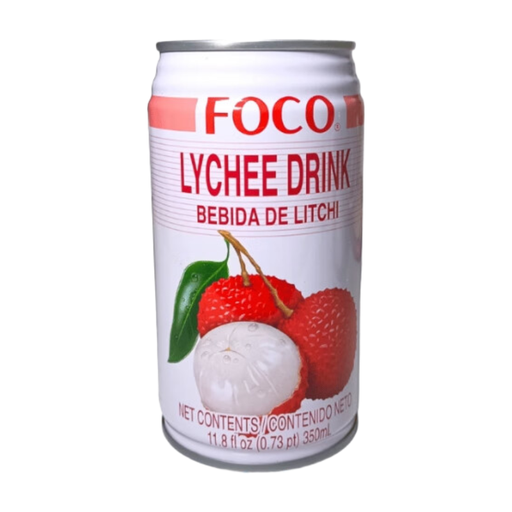
Why this product suits this profile: The can states a lychee juice content of 30%, making it suitable for shoppers who prioritise fruit content over the overall taste experience.
The stated juice content prevents you from choosing based on the product name alone. At the same time, 48 kcal and 11 g of sugar per 100 ml should be taken into account.
30% lychee juice according to the product information; handy 350-ml can for a single serving.
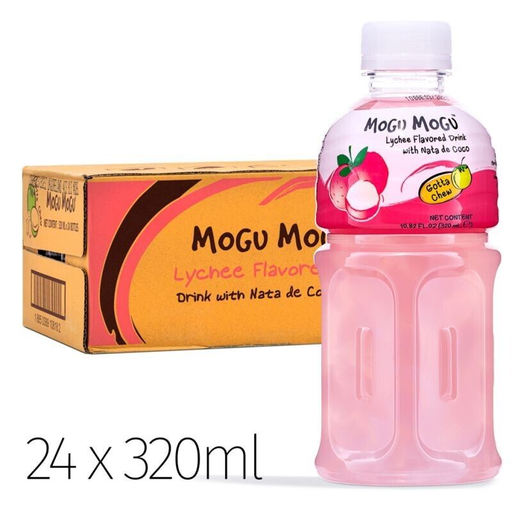
Why this product suits this profile: The case of 24 bottles is aimed at bulk buyers, parties and households that want to serve a Nata de Coco drink regularly.
The product description clearly highlights the soft Nata de Coco pieces. This means the distinctive texture is clear before purchase.
24 individual 320-ml servings; a combination of lychee drink and chewable coconut jelly pieces.
We have put together a complete, regularly updated list of products that fully meet these strict selection criteria and the safety regulations applicable in the EU.
Lychee juice, or a drink with a higher juice content, typically contains more fruit ingredients. A lychee juice drink, on the other hand, may also contain water, sugar, acidity regulators and flavourings. The stated fruit content in the ingredients list is the key detail.
That depends on the product. Opened drinks should generally be refrigerated and consumed promptly. Opened lychees in syrup should be placed in a sealed, non-metallic container and consumed within a few days according to the packaging instructions. The specific manufacturer’s guidance takes precedence.
There is no general answer. Ingredients such as gelatine, milk or colourings may be relevant. For products containing E129, follow the required warning. Sweets should also be offered in an age-appropriate way because of their texture and sugar content.