
Lieferung heute & morgen

Qualitätsgarantie

Willkommens-Angebote freischalten: KOSTENLOSE Lieferung | Bis zu 80 % RABATT | Kostenlose 30-Tage-JoyPlus-Testphase
App herunterladen
If you want to buy lychee jelly, you will find a wide range of products online: soft lychee jelly in cups, konjac jelly in pouches, jelly drinks with fruit pieces and chewy lychee snacks. The names may sound similar, but the products can differ considerably in terms of ingredients, sugar content, texture and serving size.
An intense lychee flavour can also come from flavourings. It is therefore worth checking the ingredients list before buying. Terms such as Lychee juice, Lychee concentrate or Lychee pulp indicate whether the product actually contains lychee juice, concentrate or fruit pulp. In some products, lychee appears towards the bottom of the ingredients list, while sugar, syrup or flavourings make up most of the product.
A Lychee Jelly Drink is usually more liquid and is consumed straight from a pouch or bottle. A cup dessert often has a firmer jelly texture and may contain pieces of Nata de Coco. Lychee fruit gums or jelly sweets, on the other hand, tend to be chewier and may contain gelatine, depending on the recipe.
If you are looking for a vegetarian or vegan option, check the ingredients carefully. Gelatine is animal-derived. The term “collagen” should not be used as the sole buying criterion either: what matters is the specific list of ingredients shown on the product page and packaging.
Some products state nutritional values per 100 g, while others use 100 ml or per serving. With a 150 g pouch, the actual energy content may therefore be higher than the figure per 100 g suggests. Sugar, sugar alcohols and sweeteners also differ in the nutrition table. If you are looking for a low-sugar snack, always consider the entire serving rather than just the individual value.
For fans of classic lychee jelly, a smooth, soft jelly texture is important. If you want extra bite, look for Nata de Coco jelly, coconut gel pieces or konjac ingredients. Nata de Coco is made from fermented coconut water and forms elastic cubes. Konjac jelly, on the other hand, is based on konjac flour or konjac gum and is often sold as a mouldable jelly in a pouch.
Texture is also important for children. Jelly products should be chewed thoroughly. Depending on the shape and size of the pieces, there is a risk of choking for young children. The minimum age and safety instructions stated on the packaging should therefore be observed.
Before buying, pay particular attention to:
If you have allergies, always refer exclusively to the current packaging information, as product recipes and warnings may be updated.
Individual 80 g or 125 g cups are suitable for lunchboxes, the office and eating on the go. Larger multipacks are practical if several people regularly enjoy Asian snacks. Resealable pouches can be easier to store after opening, but must be refrigerated and consumed promptly in accordance with the manufacturer's instructions.
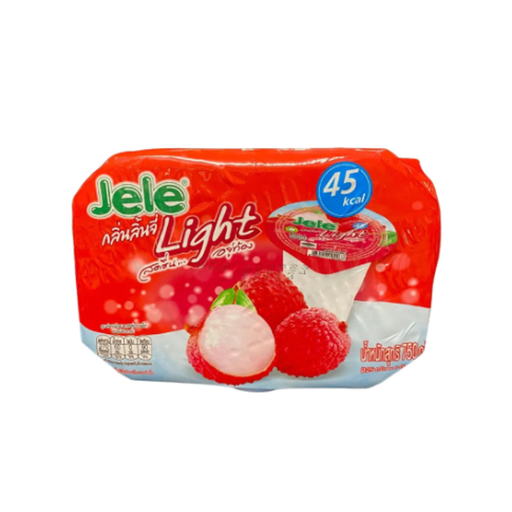
Why this product suits this profile: The pack contains six individually portioned cups of 125 g each, making it suitable for households that want to keep several servings in stock.
The nutritional information states 36 kcal per 100 g. This makes it possible to compare the serving with other cup desserts using a specific figure.
Six individual cups, a soft jelly texture, fat-free according to the product information and suitable for chilled consumption.
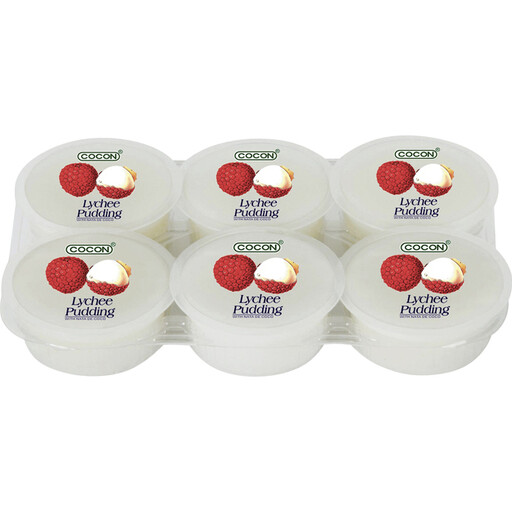
Why this product suits this profile: If you are looking for a classic lychee jelly dessert with added texture, you get six 80 g cups containing Nata de Coco pieces.
The stated Nata de Coco content is 12%. The product description also specifies 5% fruit juice, making the composition easy to understand.
Portioned cups, 80 kcal per 100 g according to the product information and chewy coconut gel cubes.
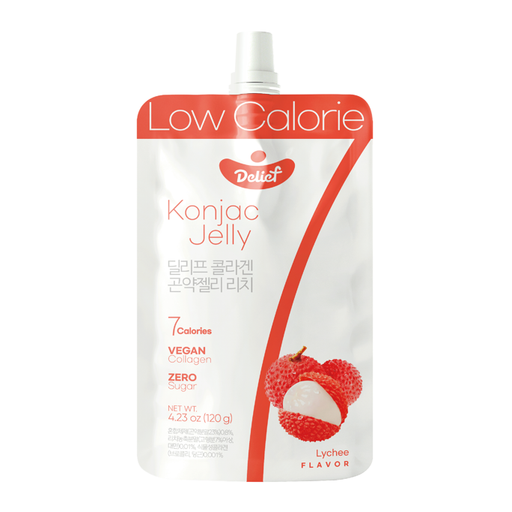
Why this product suits this profile: The 120 g serving in a konjac jelly format is aimed at buyers looking for a resealable, fruit-flavoured snack with a vegan designation.
The nutritional information states 5 kcal per 100 g, 0 g fat and 0 g sugar. Buyers should still check the sweeteners and the current labelling on the packaging.
Marked as vegan, a konjac-based jelly texture and specific nutritional information per 100 g.
If you are looking for a drink with a chewy texture, options include Mogu Mogu Nata De Coco Drink Lychee Flavour 320 ml and the six-pack Mogu Mogu Lychee Flavoured Drink with Nata De Coco 320 ml x 6 pcs. Both product varieties combine a drink with Nata de Coco pieces. Check the sugar, colouring and coconut information before buying.
If you prefer a resealable pouch, take a look at Jelly.B Konjac Jelly Lychee 150 ml. According to the product description, one 150 ml serving contains 4 kcal. Once opened, the product should be refrigerated and consumed within 24 hours. The same applies here: do not swallow it without chewing, and observe the minimum-age guidance.
For chewy confectionery, options include WANT WANT QQ Gummy Candy Lychee Flavour 70 g, Orion Lychee Kernels Jelly 67 g and Cozzo Lychee Jelly Beans 160 g. Gelatine is listed for Orion, while Cozzo contains milk according to its ingredients list. These products are therefore not automatically vegan or vegetarian.
We have put together a complete, regularly updated list of products that fully meet these strict selection criteria and the safety regulations applicable in the EU.
That depends on the product. Konjac jelly may be labelled vegan, while jelly sweets can contain gelatine. With Nata de Coco, you should also check the specific allergen information. The ingredients list and vegan label on the current packaging are the definitive sources.
Many products should be refrigerated after opening and consumed shortly afterwards. Some konjac jelly products recommend consuming them within 24 hours. Cups without a resealable closure should be eaten immediately after opening. The manufacturer's instructions on the packaging take priority.
Sugar content varies considerably. According to the nutritional information, a cup dessert may contain 18 g of sugar per 100 g, while other konjac products state 0 g of sugar and use sweeteners instead. You should therefore compare sugar per 100 g or 100 ml as well as the serving size.