
Lieferung heute & morgen

Qualitätsgarantie

Willkommens-Angebote freischalten: KOSTENLOSE Lieferung | Bis zu 80 % RABATT | Kostenlose 30-Tage-JoyPlus-Testphase
App herunterladen
Lychee drinks and snacks offer plenty of choice, from classic lychee juice and sparkling lychee soda to jelly desserts, fruit gums and lychees in syrup. However, product descriptions are not always easy for shoppers in Germany to compare at a glance. A high fruit content, a “light” recipe or an especially large pack can mean different things.
A lychee drink may be flavoured and contain only a small amount of lychee juice. For example, Jane Jane Lychee Soda lists 1% lychee juice concentrate, while FOCO Lychee Drink states a lychee juice content of 30%. Both products may have an intense lychee flavour, but their recipes are not directly comparable.
If you are looking for a higher fruit content, check the ingredients list and nutrition table. Terms such as “lychee flavour” or “tropical taste” are no substitute for a specific percentage.
Some jelly desserts and drinks have comparatively low energy values. However, this alone does not tell you how much sugar they contain. Jele Light-Lychee, for example, lists 36 kcal per 100 g. Mogu Mogu Lychee with Nata de Coco lists around 38 to 54 kcal per 100 ml, depending on the product variant.
For a meaningful comparison, always use the same reference quantity: per 100 ml for drinks and per 100 g for sweets or desserts. It is also worth checking the carbohydrate and sugar content.
Multipacks such as Mogu Mogu Lychee or Jane Jane Lychee Soda are suitable for families, parties and regular consumption. Individual portions, such as 250-ml or 320-ml cans, are easier to use as needed. Many products must be refrigerated after opening and consumed within a short period.
The same applies to lychees in syrup: after opening, transfer the fruit to a suitable container, refrigerate and consume it within the period stated on the packaging.
First check whether the product is juice, a juice drink, a flavoured drink or soda. A product containing lychee juice or lychee purée is not automatically free from sugar, sweeteners or acidity regulators. Typical ingredients include water, sugar, fruit juice, citric acid and flavourings.
Lychee sweets often also contain gelling agents, glucose syrup or colourings. According to the product information, WANT WANT QQ Gummy Candy Lychee Flavour contains sugar, glucose, concentrated fruit juice and natural lychee flavour, among other ingredients. The nutritional information lists 345 kcal and 65 g of sugar per 100 g.
The consistency determines whether a product is better suited as a drink, dessert or snack:
Children and adults should chew the pieces thoroughly when eating jelly products with coconut gel. The specific instructions on the label take priority.
“No allergens stated” does not mean the same thing for every product as “suitable for every diet”. Depending on the product information, Mogu Mogu Lychee may contain coconut. According to the stated information, Cozzo Lychee Jelly Beans contain milk. Cokoc Peeling Soft Candy is described as containing gelatine of animal origin and is therefore not suitable for vegetarians.
Some products contain the colouring E129. According to the labelling, this colouring may have an adverse effect on activity and attention in children. Take particular care to check the full ingredients list when choosing snacks for children.
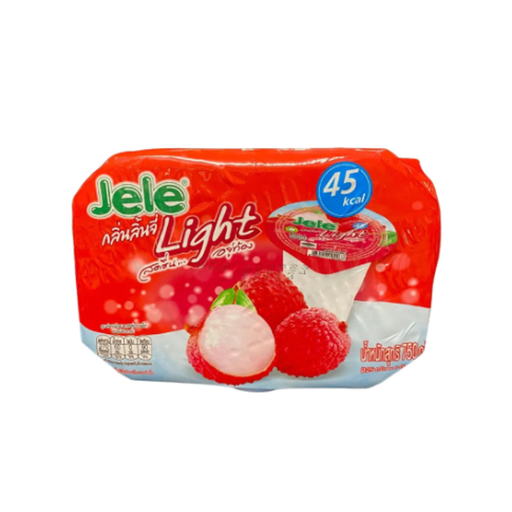
Why this product suits this profile: Six individual 125-g cups are ideal for enjoying at home or on the go, one portion at a time. The product information states 36 kcal per 100 g and a soft jelly consistency.
The individual portions reduce the risk of having to store a large container for unnecessarily long after opening.
6 x 125 g, fat-free nutritional information according to the product description, and suitable for enjoying chilled.
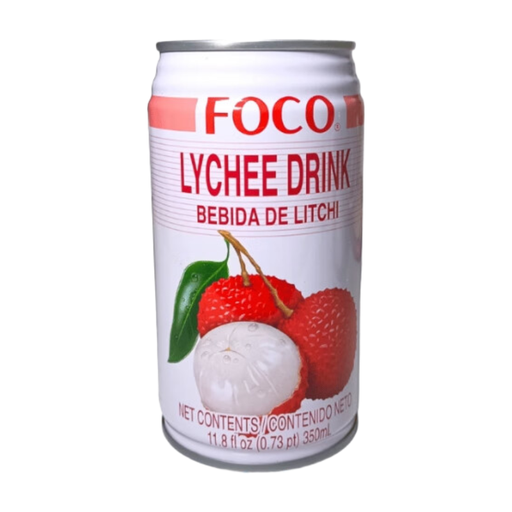
Why this product suits this profile: The manufacturer states a lychee juice content of 30%. The 350-ml can is designed to be served chilled with meals or enjoyed straight away.
The specific juice content makes it easier to compare with drinks consisting mainly of water, sugar and flavouring.
30% lychee juice according to the product information, 48 kcal per 100 ml and country of origin: Thailand.
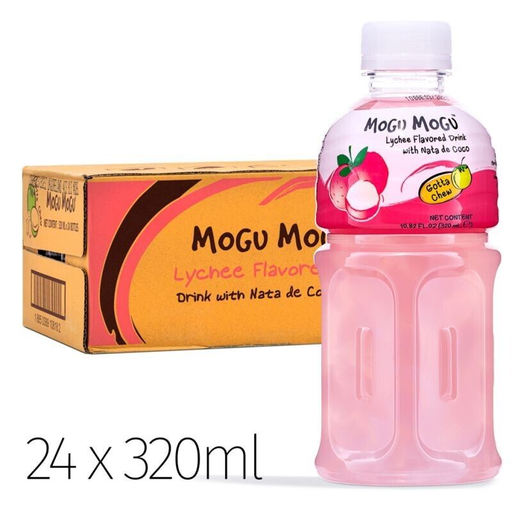
Why this product suits this profile: The 24 bottles are designed for households, parties or regular consumption of Asian drinks. Nata de Coco adds a chewy element to the drink.
The pack size is clearly stated, making it easy to check before buying whether the available storage space and consumption level suit your household.
24 x 320 ml, Nata de Coco and convenient individual bottles for serving chilled.
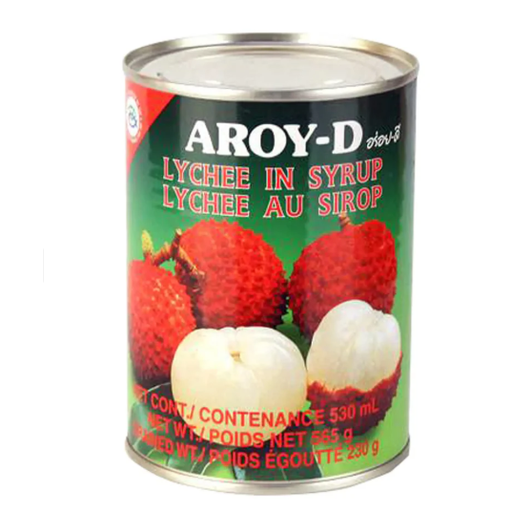
Why this product suits this profile: Whole, peeled and pitted lychees are ideal for fruit salad, ice cream, desserts or alcohol-free mixed drinks. The drained weight is stated as 230 g in the product information.
Stating both the net weight and drained weight prevents the amount of syrup from being confused with the actual quantity of fruit.
565-g can, 230 g drained weight and versatile use in cold dishes and drinks.
We have put together a complete, regularly updated list of products that fully meet these strict selection criteria and the safety regulations applicable in the EU.
For a one-off taste test, individual portions such as a lychee drink, a can of lychee soda or a small jelly cup are ideal. Families can choose multipacks, but should take the best-before date and available storage space into account. If you are preparing desserts, lychees in syrup or lychee Nata de Coco are usually a more targeted choice than a ready-made drink.
Before buying, also read the information about origin, the responsible food business operator, allergens and storage. If the online description differs from the packaging, the labelling on the product actually delivered is authoritative.
Lychee juice or a drink with a high juice content contains a specifically stated proportion of lychee juice or purée. A lychee drink may also contain water, sugar, acidity regulators and flavourings. The ingredients list is what matters, not just the name on the front of the packaging.
This depends on the individual product. Transfer the opened fruit to a suitable, sealable container and store it in the fridge. Aroy-D’s product information states up to two days, while Golden Lion states three to four days. The information on the relevant packaging remains authoritative.
This depends on the child’s age, the consistency, the ingredients and their individual diet. Nata de Coco and jelly pieces should be chewed thoroughly. Also check the colouring, sugar and allergen information. For products containing E129, follow the relevant warning on the label.