For local iOS testing in the Xcode Simulator, you’ll need a Mac. Check that the Xcode version you need is compatible with the macOS versions it supports. For Android testing without a local Xcode Simulator, a compact Windows or Linux PC may be suitable, provided its operating system, emulator workload, storage and ports meet your needs. Google covers testing with emulators and physical devices; a small case alone doesn’t tell you whether a computer can handle several emulators.
Which option is right for you?
iOS and Android testers
If you want to test iOS locally with Xcode and work on Android at the same small workstation, first check Mac compatibility, the exact memory configuration and the devices you plan to test with. Apple Developer describes simulators as part of the Xcode workflow on macOS.
Android emulator users
For testing with virtual Android devices, the memory, available storage and system configuration need to suit the scale of your planned work. Google lists different requirements for emulators and notes that storage needs can vary depending on how you use them.
Testers using physical devices
If you connect mobile devices for debugging, check how many data ports you need and where they’re positioned. Google describes connecting devices via Android Debug Bridge (ADB).
What should you look for when buying?
First decide whether you need to run local iOS tests with Xcode. Then choose between Android emulators, physical devices or a combination of both. This table is aimed at consumers in Germany looking for a compact desktop for mobile app testing.
| Buying priority |
What to check before buying |
Who is it most relevant to? |
| Local iOS testing |
Make sure the Xcode version you need, the supported macOS version and the Mac configuration are compatible. |
If I need to test iOS locally with Xcode, finding the right Mac and macOS configuration is my top priority. Consumers whose main testing goal is iOS account for around 28% of the reference group. |
| Android emulators |
Check how many virtual devices you plan to use and how much memory is available. Google recommends 16 GB RAM for a good emulator experience and around 4 GB for each AVD running at the same time; requirements can vary. |
If you want to run several virtual Android devices locally, choose a configuration that suits the actual emulator workload. Consumers whose main priority is Android emulators account for around 22% of the reference group. |
| Ports for test devices |
Check the USB data ports you need and how easy they are to reach on the specific device. |
If I mainly connect physical Android devices, I need suitable data ports that are easy to access. Consumers whose main testing method is using physical devices account for around 22% of the reference group. |
| Desk space and positioning |
Check the dimensions of the case, space for cables and, where relevant, VESA compatibility for the specific version. |
On a small desk, you’ll also need room for cables and test devices. Consumers whose main buying priority is the footprint account for around 17% of the reference group. |
| Upgrades and what’s included |
Check the model number, installed RAM, SSD, operating system and available upgrade options. |
If you plan to change the specification later, check the full list of what’s included against your plans. Consumers whose main priorities are upgradeability and a complete specification account for around 11% of the reference group. |
Common buying mistakes
-
Choosing a mini PC for several emulators based on its small size alone
Being suitable for a single virtual Android device doesn’t mean a PC will meet the needs of your project when running several AVDs at once.
Work out what specification you need based on the number of virtual devices, then check the RAM, available storage, operating system and emulator compatibility of the specific version.
-
Assuming a barebone and a ready-to-use PC are the same thing
A barebone may be sold without RAM, an SSD or an operating system. You’ll need to add and set up these components yourself.
Before buying, check the full model and version name, as well as the list of what’s included.
With a barebone version, you’ll need to source and set up the missing components, which takes extra time and effort.
-
Treating emulator and device testing as equivalent
Apple notes that simulators don’t fully replicate the performance and characteristics of a physical device.
If a device’s behaviour is relevant to your tests, plan to use suitable physical devices for the final checks.
Key brands at a glance
Apple
Mac mini configurations are worth considering if you need to run local iOS tests with Xcode.
- Apple Developer describes Xcode simulators as part of the workflow on macOS.
- Apple offers different RAM and SSD configurations. Check the exact specification and the macOS version required for your version of Xcode.
GEEKOM
The A5 Pro 2026 Edition is a compact Windows PC option for Android-focused setups.
- GEEKOM Germany lists a Ryzen 5 7530U, 16 GB RAM and a 1 TB SSD for the version shown.
- Whether this specification is suitable for a particular project or several emulators running at once depends on the testing workload.
MSI
The Cubi NUC 1M range offers compact computers with ports that may be useful for test devices.
- MSI lists front USB-A ports, two SO-DIMM slots and VESA compatibility for the range.
- The processor, operating system and installed memory vary by configuration, so check the specific version.
GMKtec
The NucBox M6 Ultra may be worth considering for Android-focused setups, provided the specification you want is available in the version you choose.
- GMKtec lists RAM slots and a choice of storage options.
- One available version comes without RAM, an SSD or an operating system. Check what’s included before comparing its specification with your needs.
HP
The Pro Mini 400 G9 range is another compact desktop option for Android testing setups.
- HP describes the range as configurable.
- HP says components vary depending on the chosen configuration, so check the exact version on offer.
Joybuy product selection
This selection includes compact desktop configurations for Android-focused testing, as well as a portable additional monitor for a small workstation. Local testing in the Xcode Simulator still requires a Mac.
 No image available
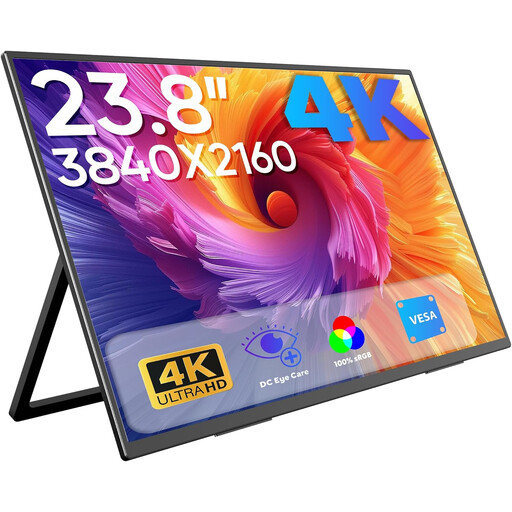
Portable 23.8-inch 4K monitor, 3840 × 2160
An additional screen for a small workstation, not a computer for running emulators.
3840 × 2160 UHD, 60 Hz, 100% sRGB, integrated stand and two built-in speakers.
Inputs: USB-C and Mini HDMI; VESA compatible.
View on Joybuy
 No image available
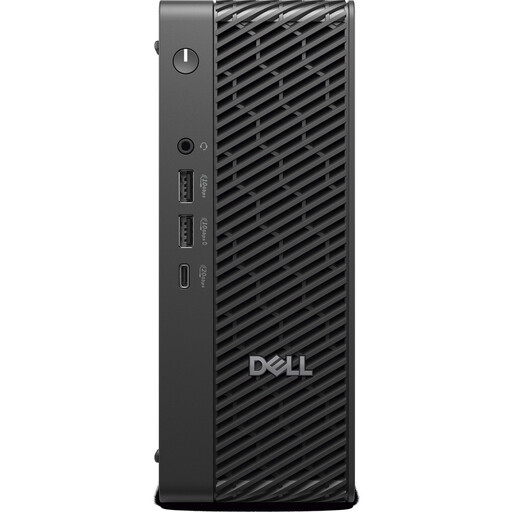
Dell Pro Max MFF Ultra 7, 32 GB RAM, 1 TB SSD
For Android-focused testing, if 32 GB RAM and a 1 TB SSD suit your planned emulator and project workload.
This configuration is listed with Windows 11 Pro, DDR5 memory and an M.2 PCIe SSD.
Described as a micro form factor; the stated width is 7.93 cm.
View on Joybuy
 No image available
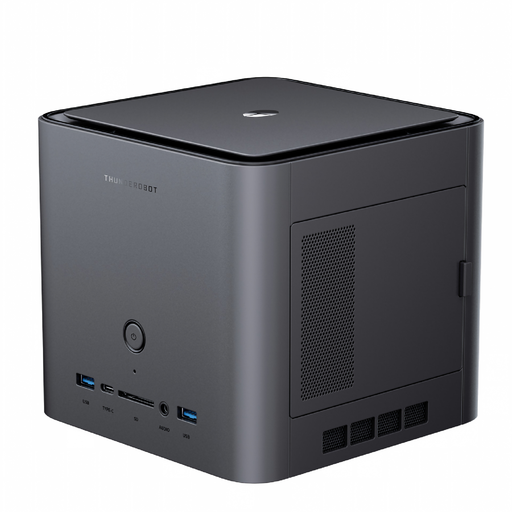
Thunderobot Mini PC Workstation AI Max+ 395, 128 GB RAM, 1 TB SSD
For Android-focused testing environments where space is limited; check that the specification suits your specific project.
Listed with 128 GB LPDDR5X memory at 8000 MT/s and a 1 TB SSD.
The product name also mentions a side-mounted SSD interface and Wi-Fi 7.
View on Joybuy
 No image available
ACEMAGIC AK1PLUS, Intel Celeron N5095, 16 GB RAM, 256 GB SSD
For Android-focused testing, if the listed specification and ports meet the needs of your planned setup.
Intel Celeron N5095 (4C/4T), 16 GB LPDDR4X, 256 GB M.2 2280 SATA SSD and Windows 11 Pro.
Includes HDMI 2.0, Wi-Fi 5 and a VESA mount; the description gives the case dimensions as 128 × 128 × 51.5 mm.
View on Joybuy
 No image available
ACEMAGIC E3B, AMD Ryzen 7 7735HS, 24 GB RAM, 512 GB SSD
For Android-focused testing with connected devices, provided the configuration suits the scale of your tests.
Listed with 24 GB LPDDR5 memory, a 512 GB NVMe SSD and Windows 11 Pro.
The description lists two M.2 2280 slots, USB-A and USB-C ports, and case dimensions of 128 × 128 × 41.3 mm.
View on Joybuy
Frequently asked questions
Can I test iOS apps locally in the Xcode Simulator on a Windows mini PC?
You’ll need a Mac to run local tests in the Xcode Simulator. Also check that its macOS version supports the version of Xcode you need.
Do I need to run several emulators at once for Android testing?
No. Google describes testing with a virtual Android device and with a physical device. Running several AVDs at once is a different use case and requires more resources.
How do I set up a physical Android test device?
Google describes using an ADB connection between your development environment and Android device. Make sure you have the data ports you need on the computer you choose.
Does a manufacturer’s warranty replace my rights if my computer is faulty?
No. Under EU consumer rules, when you buy from a business seller as a consumer, you’re generally entitled to a minimum legal guarantee of two years from the date you receive the goods. An additional manufacturer’s warranty does not replace this. These consumer rules do not automatically apply to business purchases.
Can I generally cancel an online mini PC purchase in Germany?
For consumers, the Council of the EU says online purchases generally come with a 14-day right to cancel without giving a reason, although exceptions apply. Check the specific type of purchase and the contract terms. The right to cancel is not the same as your rights if goods are faulty.


