If you need Xcode or local iOS simulators, you’ll need a compatible Mac: Apple Developer provides these simulators as part of Xcode on macOS. Both suitable Mac and Windows laptops can be used for Android testing. Your choice then comes down to how many test environments you’ll run at once, the ports you need for physical devices and how you plan to set up your standing workstation.
Which laptop is right for you?
iOS and Android testers
If you want to use local iOS simulators and Android test environments, first work out which platforms your laptop needs to support. Apple Developer describes iOS simulators as part of Xcode on macOS, while Android Developers also covers testing with a physical device.
Android testers using multiple devices
If you’ll be running Android Studio alongside several virtual or physical devices, compare the memory and storage available in the exact configuration you’re considering. Android Developers also explains that you can use a modern physical Android device with Android Studio instead of an emulator.
Testers moving between standing workstations
If you move between workstations, your laptop, test devices and peripherals should all work well together. The Federal Institute for Occupational Safety and Health notes that the total weight of work equipment becomes more important when you frequently change your place of work.
What should you look for?
First decide which test platforms you need to run locally. Android Developers covers using a physical device as well as an emulator for Android testing; iOS simulators require Xcode on macOS.
| Consideration |
What to check before buying |
Who should pay particular attention? |
| Operating system |
Check whether you need Xcode and iOS simulators, Android Studio or both locally; make sure the software version you need is compatible with the specific device. |
If I need to combine local iOS simulator and Android testing, the platform comes before individual features. Around 36% of consumers prioritise the platform that suits their testing needs. |
| Resources for running tests in parallel |
Compare the memory and SSD storage in the exact configuration with your project and the number of virtual devices you plan to run at once. |
If I’m running an IDE, a project and several virtual devices at the same time, I’ll look for enough memory and SSD storage. Around 29% of consumers prioritise running multiple test environments in parallel. |
| Ports for test devices |
Count your test devices and workstation equipment; check the port types and make sure any dock you need is compatible with the specific model. |
If I want to connect physical smartphones and workstation equipment, the ports need to suit my setup. Around 21% of consumers prioritise physical test devices and their connections. |
| Standing workstation setup |
Plan the screen position, keyboard and mouse alongside the ports you need and the available desk space. |
If I want to set up my standing workstation to suit my working posture, I need to consider the laptop and external devices together. Around 14% of consumers put workstation setup first. |
Avoid common buying mistakes
-
Choosing a Windows laptop for local iOS simulators based on its high performance specs alone
The local iOS simulator requires Xcode on macOS. Processor or RAM specs don’t replace this platform requirement.
Work out which test platforms you need before comparing individual processors.
If you also need to test iOS locally, you may need a compatible Mac as well as a Windows laptop.
-
Assuming every version in a product range has the same specifications
Memory and SSD capacity can vary between configurations. Running multiple virtual devices also increases resource demands.
Check the full model number, built-in memory and SSD capacity against your testing plan.
-
Planning only for the laptop at your standing workstation
Your screen, input devices and test devices need to suit your workstation and the ports on the configuration you choose.
Before buying, list the devices and ports you already have, then plan your complete setup.
Depending on your existing workstation, you may also need adapters, a dock, a monitor or separate input devices.
Key brands at a glance
Apple
The MacBook Air M4 is suited to a portable Mac testing setup; the 14-inch MacBook Pro with M5 is another Mac range with different features to consider.
- Apple specifies at least 16 GB of unified memory for the MacBook Air M4, with support for up to two external displays in addition to the built-in display.
- These manufacturer specifications don’t confirm how the laptop will perform with a particular testing project. Check that the Xcode version you need is compatible with the operating system in the specific configuration.
HP
The EliteBook 8 G1a is a Windows business laptop for Android-focused workflows; the exact product number is key.
- For configuration AD3F0ET#ABD, HP Store Germany lists 32 GB RAM, a 1 TB SSD and Windows 11 Pro.
- These specifications apply to the configuration listed and aren’t independent emulator performance benchmarks or specifications for every EliteBook version.
Lenovo
The ThinkPad T14 Gen 6 is a configurable Windows range for a workstation where connectivity matters.
- Lenovo Germany lists 16 GB RAM and a 256 GB SSD for configuration 21QGCTO1WWDE1.
- The product range name alone doesn’t tell you how much memory a specific version has or whether it’s suitable for running several emulators at once.
Dell
The Dell Pro 14 Plus PB14250 range offers a choice of configurations for Windows workstations.
- The Dell configuration listed includes 16 GB of integrated memory and a 512 GB SSD.
- Dell notes that changes to components can alter the overall configuration. So check the memory and ports on the actual device you choose.
Suitable products at Joybuy
This selection includes a Windows laptop for Android-focused testing and connecting test devices and workstation peripherals.
 No image available
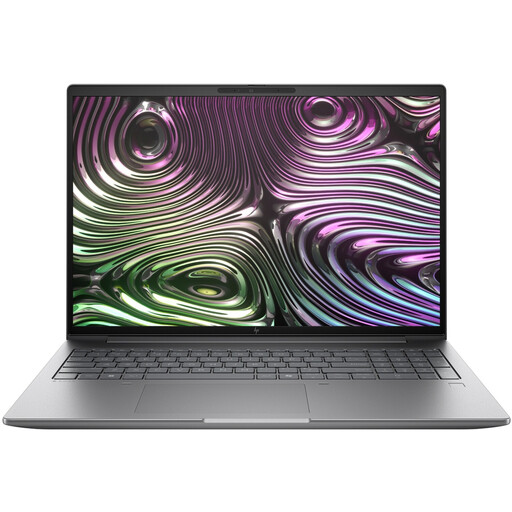
HP ZBook X G1i 16, Ultra 7 255H, 32 GB RAM, 1 TB SSD
This Windows 11 Pro configuration is intended for Android-focused testing. It doesn’t support local iOS simulators with Xcode, as this requires macOS.
This configuration is listed with 32 GB RAM and a 1 TB SSD.
The device has a 16-inch display and weighs 2.04 kg.
Several USB ports and HDMI are listed for connecting devices and external displays.
View at Joybuy
Frequently asked questions
Do I need a Mac to test local iOS simulators?
Yes. You need a compatible Mac to run local iOS simulators with Xcode, as Apple Developer provides the simulators as part of Xcode on macOS. Also check the requirements for the Xcode version you need: the release notes for Xcode 26 specify macOS Sequoia 15.6 or later.
Do I always need to run an emulator on my laptop for Android testing?
No. Android Developers also describes testing with a physical Android device without an emulator. Whether this meets your testing needs depends on which devices and Android versions you need to check.
How should I set up my laptop for longer tests at a standing desk?
Arrange your desk space, screen and keyboard to suit your working posture. For a workplace with a computer screen, the applicable health and safety requirements and the specific setup also matter; this doesn’t mean there’s a universal minimum size for every laptop bought for personal use.
What costs or consumer rights should I consider when buying in Germany?
First check whether you already have adapters, a dock, a monitor and test devices. The Verbraucherzentrale distinguishes between your statutory rights against the seller and a voluntary guarantee. It also explains that online purchases generally come with a 14-day right to cancel; check whether any exceptions apply to your specific purchase.


