
Lieferung heute & morgen

Qualitätsgarantie

Willkommens-Angebote freischalten: KOSTENLOSE Lieferung | Bis zu 80 % RABATT | Kostenlose 30-Tage-JoyPlus-Testphase
App herunterladen
A 2-pack of green tights can be a practical addition to your everyday wardrobe – provided the material, size and care instructions suit your needs. When looking for the Mads Nørgaard JBS of DK 2-pack tights, green, shoppers may come across terms such as bamboo viscose, OCS certification and sustainable manufacturing. It’s worth looking at these claims in context.
Tights made from bamboo viscose are not made from unprocessed bamboo fibre. The fibre is produced from cellulose using a chemical process, then made into viscose. The term bamboo viscose therefore mainly describes the original raw material; it doesn’t automatically tell you about the garment’s overall environmental impact.
For this model, the product description lists a composition of 65% viscose, 30% cotton and 5% elastane. The elastane helps the tights stretch, while the cotton and viscose affect the feel of the fabric.
According to the product information, the tights are OCS-certified. The Organic Content Standard, or OCS, relates to traceability and the proportion of certified organic materials in the supply chain. You should still check exactly what the certification covers and whether a certificate number or further details are available on the product page.
Certification is therefore a useful factor to consider, but it isn’t blanket proof of every environmental claim made about a product.
Tights that are too small can feel very tight around the waistband, seat or thighs. A size that’s too large may crease or slip down as you walk. So your usual clothing size isn’t the only thing to consider. Check the size chart against your chest and waist measurements.
If you’re looking for soft, comfortable tights, check the full fibre blend. These Mads Nørgaard underwear tights by JBS of DK combine viscose, cotton and elastane. This gives them a different feel from pure cotton tights or highly compressive sports styles.
The product description highlights the soft feel of the bamboo viscose. It’s still worth bearing in mind that how a fabric feels is personal: skin sensitivity, fit, seam finish and how warm you tend to feel can all make a difference.
According to the product information, the tights are made in a closed-loop process. The product details also state that this can save up to 180 litres of water per pair. This should be understood as a manufacturer or product claim, and the figure depends on the comparison used and the manufacturing process.
When choosing sustainable tights, it’s worth considering several factors together:
According to the product description, this style uses standard EU sizes. The size chart also includes French, Italian, British and US size equivalents. Some sizes, such as S, M or L, have several measurement ranges listed. This suggests that the same letter size covers different measurement ranges.
Before ordering, measure your waist and chest and compare them with the specific size chart. If you’re between sizes, also consider whether you’d prefer a closer or more relaxed fit.
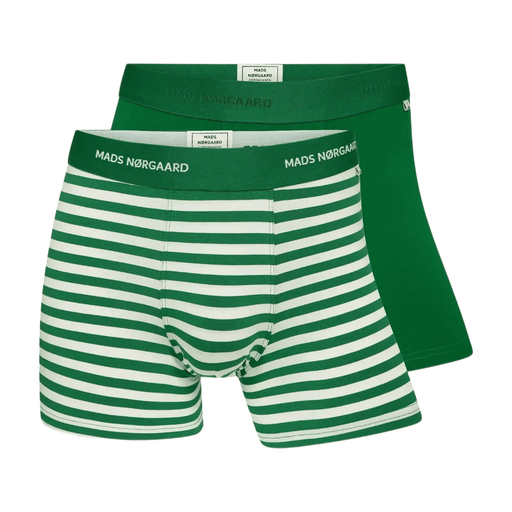
Why this product suits this shopper: The 2-pack gives you two pairs for regular everyday wear, combining a green colourway with a blend of viscose, cotton and elastane.
The composition and standard EU sizes are clearly listed. This makes it easier to check whether they’re right for you, rather than relying on general terms such as “bamboo”.
A 2-pack, 65% viscose, 30% cotton, 5% elastane and a green colourway, according to the product information.
Why this product suits this shopper: The stated OCS certification, fibre blend and care instructions give you several points to check when making a considered purchase.
The sustainability claims aren’t considered in isolation; they’re checked against the certification, composition and washing instructions.
OCS-certified according to the product information, with bamboo viscose as the raw material and a closed-loop manufacturing process.
Why this product suits this shopper: A 2-pack is handy if you change your tights frequently, and the elastane helps with freedom of movement. For intense sport, though, choose a style specifically designed for that purpose.
These tights shouldn’t automatically be treated as sportswear. Check the specific product features if you need tights for training, heavy sweating or compression.
Elastane for stretch, two pairs per pack and clear care instructions for regular wear.
The way you care for your tights can affect how long they keep their shape. According to the product information, you should:
High temperatures and harsh detergents can put more strain on viscose fibres and elastane. When sorting your laundry, it’s also best not to wash the tights directly with garments that have zips or rough fabrics.
We’ve put together a complete, regularly updated list of products that meet these strict selection criteria and the safety regulations in force in the EU.
The product information describes soft everyday tights made from viscose, cotton and elastane. It doesn’t mention specific moisture management, compression or sports performance features. For intense training, compare styles specifically described as sports tights.
Measure your waist and chest, then compare both measurements with the size chart. As several measurement ranges are listed for some letter sizes, don’t rely on your usual S, M or L alone.
The recommendation is to turn them inside out and wash them at a maximum of 30 °C using a mild detergent. Avoid bleach and dry cleaning. You can air-dry them; alternatively, the product description recommends a low tumble-dryer temperature.