
Lieferung heute & morgen

Qualitätsgarantie

Willkommens-Angebote freischalten: KOSTENLOSE Lieferung | Bis zu 80 % RABATT | Kostenlose 30-Tage-JoyPlus-Testphase
App herunterladen
A magic set is more than just a toy. It's a tool for developing cognitive and motor skills. Practising magic tricks hones fine motor skills, hand-eye coordination, and the ability to concentrate. At the same time, learning and performing illusions boosts self-confidence and enhances presentation skills. Choosing the right set is crucial for learning success and sustained motivation. This article analyses the technical criteria relevant to choosing a magic set and presents various models based on their specifications.
The decision for a specific set should be based on objective parameters. The following criteria will help you make a structured choice.
The manufacturer's age recommendation is the primary indicator of the difficulty level.
Magic sets differ in their thematic orientation.
The quality of the accessories affects the durability and functionality of the tricks. Materials like sturdy plastic, wood, or metal are often more durable than simple cardboard or paper components. A CE mark indicates that the product complies with the applicable requirements of the European Union. The precision of the props is crucial for the success of many illusions.
The instruction manual is the core component of any magic set.
Based on the criteria above, we have compiled a selection of products that cater to different needs and interests.
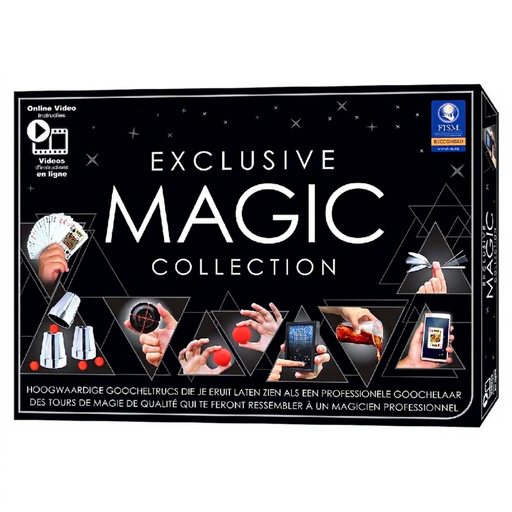
Why we recommend this product This set from Sombo focuses on classic sleight of hand and includes props for one of the most famous tricks in magic history: the Cups & Balls. The components are designed for sophisticated use and repeated performances.
Pros
Who it's for This set is ideal for those who want to delve into the fundamentals of manipulation and sleight of hand. It serves as an excellent introduction to classic magic and makes a great gift for kids and teens looking for a challenge.
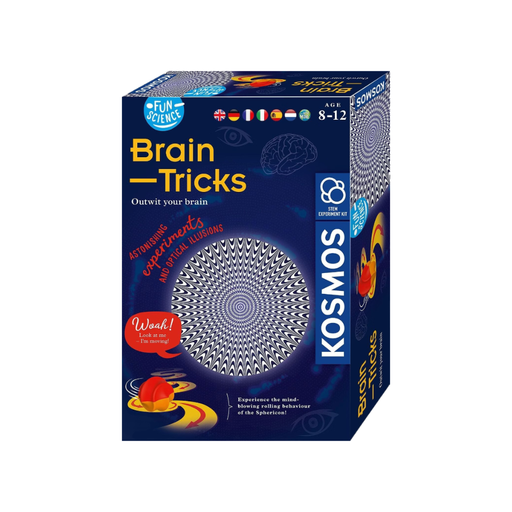
Why we recommend this product This illusion science kit from Kosmos takes a scientific approach. It explains how the brain processes visual information and how easily perception can be deceived. The focus is on understanding and replicating phenomena.
Pros
Who it's for This set is aimed at children aged 8 to 12 with an interest in science and experiments. It's an excellent choice for anyone who wants to not only be amazed but also understand why optical illusions work.
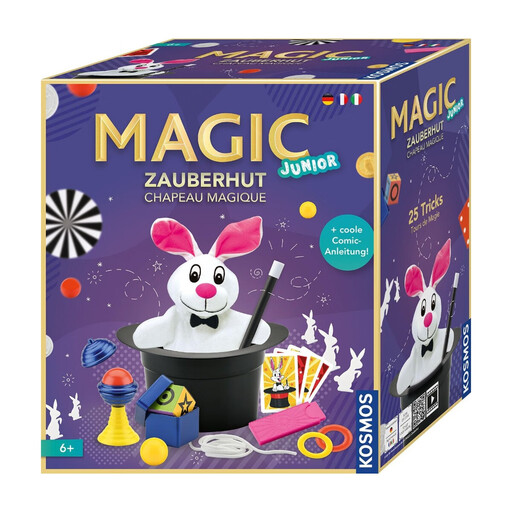
Why we recommend this product This set from Kosmos is a comprehensive starter pack for young magicians. With 25 tricks and the iconic magic hat and wand, it provides everything needed for a first magic show. The structured instructions facilitate a step-by-step learning process.
Pros
Who it's for Ideal for beginners aged 6 and up. The set particularly appeals to children who dream of performing like a classic magician and putting together a complete show for family and friends.
If the focus is less on performance and more on a quiet, creative activity that also trains dexterity and concentration, other creative kits can be an interesting option. Such activities promote patience and an understanding of patterns and structures. An example of this is knitting kits, which train hand-eye coordination in a similar way.
1. From what age is a magic set recommended? A good starting point is typically around age 6. For this age group, the tricks are mechanically simple and designed for quick success. For older children, aged 8 or 10 and up, there are more advanced sets that require greater dexterity and concentration, often incorporating scientific concepts.
2. What does a child learn with a magic set? Besides the fun of learning magic, numerous skills are developed. These include fine motor skills from handling the props, concentration while practising the routines, logical thinking to understand the principles of the tricks, and public speaking and self-confidence when performing for an audience.
3. What's the best way to start learning magic? The best way to start is by strictly following the magic set's instructions. It's advisable to begin with the simplest tricks to get a feel for the props and basic techniques. Each trick should be practised without an audience until the routine is mastered. Only then should you perform it for others.