
Lieferung heute & morgen

Qualitätsgarantie

Willkommens-Angebote freischalten: KOSTENLOSE Lieferung | Bis zu 80 % RABATT | Kostenlose 30-Tage-JoyPlus-Testphase
App herunterladen
A magic kit is more than just a toy; it's a gateway to a world of imagination, wonder, and self-confidence. But choosing the right one can quickly become a challenge. Many products overpromise and underdeliver, leading to frustration instead of joy. To help you as a gift-giver avoid the common pitfalls, we've outlined the key features that define a great magic set for beginners.
Before you make a decision, you should be aware of the typical flaws that often only become apparent after unboxing and can render a promising gift for children useless.
To avoid these problems, you should base your choice on objective criteria. These three parameters will help you find a set that delivers long-lasting enjoyment.
The manufacturer's age recommendation is the most important guide. A magic kit for ages 6 and up is specifically designed for the motor skills and attention span of primary school children. The tricks are simple enough for quick wins but challenging enough to be engaging. Look for instructions with plenty of pictures or step-by-step graphics. Some manufacturers, like Kosmos, also offer online videos that make learning magic tricks significantly easier.
A good magic set for beginners should include all the necessary props for the described tricks. This typically includes a magic wand, playing cards, coins, cups, and ropes. Sets that feature classics like the top hat with a rabbit (usually a plush toy) offer a particularly authentic experience and allow for a small magic show for the family. The materials should be durable. Check if the props are made from sturdy plastic, solid cardboard, or wood to withstand repeated practice.
A kit should offer a mix of different types of magic—from card tricks and coin illusions to small levitation effects. A well-structured set is characterized by a progressive increase in difficulty. This allows the child to start with simple feats, build confidence, and gradually move on to more complex illusions. This approach fosters motivation and ensures long-lasting fun.
Based on these criteria, we have identified some products that are suitable for different needs and occasions.
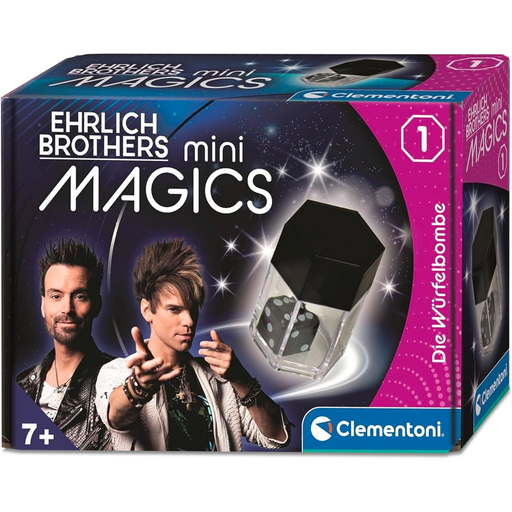
Why This Fits Their Persona: Ideal as a small gift or to test a child's interest in magic without investing in a large set. The focus on a single, impressive trick provides a quick sense of accomplishment. The association with the famous Ehrlich Brothers increases its appeal for children aged 7 and up.
Since it's a self-contained trick, there are no missing parts. The instructions are short, precise, and focused on a single illusion, which bypasses the trap of incomprehensible manuals.
Specifically promotes dexterity and presentation skills. The set is compact and ideal for travel or as a small surprise.

Why This Fits Their Persona: This is the classic all-in-one package and an ideal gift for children aged 6 and up who are already fascinated by magic. It includes everything needed for a proper little performance, including the iconic top hat and a plush rabbit.
As a comprehensive starter set, it directly counters the trap of incomplete products. The manufacturer, Kosmos, is known for its detailed, illustrated instructions and access to online video tutorials, which solves the problem of confusing explanations.
According to the manufacturer, it contains 25 tricks with increasing difficulty. The classic props, like the top hat with a rabbit, provide an authentic experience and boost confidence during performances.
We have compiled a complete, real-time list of products that fully satisfy these strict selection criteria and UK safety regulations.
Most manufacturers recommend their beginner sets for children around six years of age. At this age, fine motor skills and concentration are usually developed enough to learn the basic sleight of hand. However, the child's individual interest and patience are more important than their exact age. The age recommendation on the packaging provides a reliable guide.
Learning magic tricks is a playful way to develop several skills, including:
Patience is key. Start together with the simplest tricks in the manual to create quick wins. Read the instructions together or, if available, watch the tutorial videos. Offer assistance, but give your child the space to practice and discover on their own. The most important thing is to convey the fun of experimenting and to praise every small step of progress.