
Lieferung heute & morgen

Qualitätsgarantie

Willkommens-Angebote freischalten: KOSTENLOSE Lieferung | Bis zu 80 % RABATT | Kostenlose 30-Tage-JoyPlus-Testphase
App herunterladen
The book series "The School of Magical Animals" captivates countless children across the country. To match, there's a growing selection of board games that bring the adventures of the Winterstein School to life in the playroom. But choosing the right game can be tricky. Eye-catching box art doesn't guarantee long-lasting fun. Many products turn out to be a disappointment because the game mechanics don't fit the theme, or the rules are too complicated for children.
This guide will help you spot common purchasing pitfalls and find a game that truly resonates with fans of the books. We focus on the objective criteria that define a great gaming experience.
With games based on well-known books or films, there are two recurring problems that can lead to frustration and quickly waning interest.
To avoid the problems mentioned above, you should check three key aspects before buying. These features provide insight into the actual quality and long-term replay value of a product.
Many modern children's games are built on a cooperative board game principle. Instead of competing against each other, all players work together as a team to achieve a goal—for example, solving a case or bringing all the animals to safety. This approach has clear advantages for elementary school-aged children: it promotes teamwork, communication, and prevents frustration among younger players, as there are no individual losers. Everyone wins or loses together.
The manufacturer's age recommendation is a good starting point. However, for a detective game for kids ages 6 and up, you should look more closely. Pay attention to the following features that indicate a child-friendly design:
A successful The School of Magical Animals game integrates the world of the books into its game mechanics. Instead of just showing pictures of Rabbat, Henrietta, and friends, the actions in the game should be directly linked to the characters and stories. For example, when players have to combine clues just as Murphy the polar bear does in the books, it creates a cohesive and immersive experience. This is often the deciding factor that makes a game a perfect gift for school-aged children and fans.
Here are a few recommendations tailored to different player types and interests.
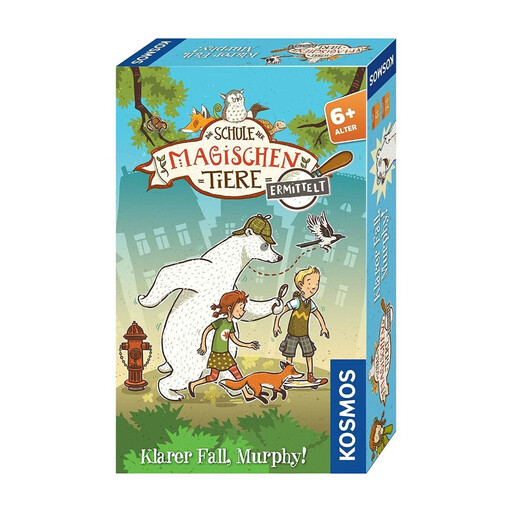
Why This Fits Their Persona: Ideal for children who specifically love the new "The School of Magical Animals Investigates" book series. The game directly incorporates the detective theme, letting players step into the role of investigators to solve a case alongside Murphy the polar bear.
The game mechanic (combining clues) is deeply woven into the detective theme, not just tacked on. The rules are designed for the 6+ age group, and the playtime of about 20 minutes prevents kids from getting overwhelmed.
Cooperative Gameplay: Promotes teamwork. Strong Thematic Integration: Based directly on the new book series. Also makes a great small gift for a child's birthday party.
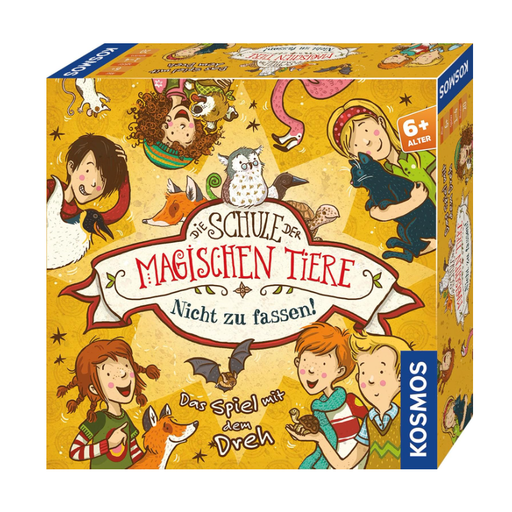
Why This Fits Their Persona: Perfect for families looking for a classic board game experience with a unique twist. The innovative, rotating game board creates new paths and challenges every time, keeping even experienced players engaged.
The board's rotating mechanic prevents the game from becoming repetitive after just a few rounds, offering high replay value. The cooperative goal of rescuing the animals is easy to understand and thematically appropriate.
Innovative Game Board: The rotating mechanism ensures long-lasting fun. For the Whole Family: Encourages cooperation between children and adults.
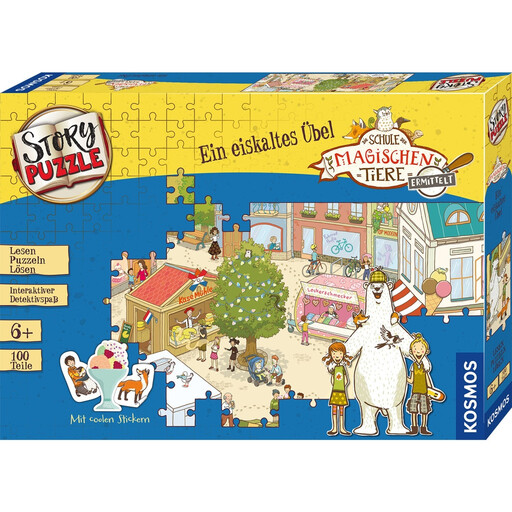
Why This Fits Their Persona: An excellent choice for kids who love not only to play games but also to read and do puzzles. This product combines an exclusive short story with a 100-piece puzzle that hides a mystery to solve.
Thematic integration is at its peak here. The story leads to the puzzle, and the puzzle holds the key to solving the case. It's more than just a game; it's an interactive reading and puzzle-solving experience.
Multi-Activity Fun: Combines reading, puzzling, and problem-solving. Promotes Reading Skills: The included story playfully motivates early readers.
We've compiled a comprehensive, up-to-date list of products that fully meet these strict selection criteria and all relevant safety standards.
For most games with an "ages 6+" recommendation, it's a good idea for an adult to supervise the first one or two playthroughs to explain the rules. However, games like "A Clear Case, Murphy!" use simple, repetitive actions and clear iconography, so children can often play independently or with friends after a brief introduction. The cooperative principle also allows older siblings or friends to help younger players.
This is a valid concern. In "A Clear Case, Murphy!", the clues are recombined in every game, so the path to the solution changes. Other games like "Unbelievable! The Mixed-Up Game" have inherently high replay value due to the variable game board. Unlike some escape games for adults, these children's games are designed to be played multiple times.
In a cooperative board game, there is no single winner. All participants form a team and try to achieve the game's objective together before a game-driven event occurs (e.g., before all the animals are discovered). The opponent is the game itself. This fosters camaraderie, strategic discussion, and a shared sense of accomplishment.