
Lieferung heute & morgen

Qualitätsgarantie

Willkommens-Angebote freischalten: KOSTENLOSE Lieferung | Bis zu 80 % RABATT | Kostenlose 30-Tage-JoyPlus-Testphase
App herunterladen
The book series "The School of Magical Animals" captivates countless children in Germany. A puzzle featuring the beloved characters therefore seems like the ideal gift. But the selection is vast, and not every product delivers on its promise. Before you make a decision that leads to short-lived joy and subsequent disappointment in the playroom, you should be aware of a few common pitfalls.
Many puzzles that advertise well-known licenses suffer from two major drawbacks:
A well-thought-out purchase avoids these problems and ensures long-lasting enjoyment.
To find a suitable puzzle that offers more than just a one-time activity, you should focus on three key criteria. These will help you objectively evaluate a product's quality and play value.
The 100-piece puzzle label is a common benchmark for primary school-aged children. However, more crucial than the sheer number of pieces is the nature of the pieces and the image itself. For a puzzle for ages 6 and up, large, clearly distinct colour areas and shapes are better suited than detailed, busy images. Pay attention to whether the puzzle picture has clear outlines and different sections that make it easier for the child to navigate.
A good puzzle engages the child beyond mere assembly. Products like a Kosmos Story Puzzle expand the experience by linking the puzzle with a story or a mystery. This combination not only promotes concentration but also reading comprehension and logical thinking. A mystery puzzle for kids, for example, challenges them to find clues in the picture after completing it to solve a case. This creates real added value and makes the product a meaningful gift for early readers.
The quality of the material is crucial for a frustration-free experience. The puzzle pieces should be made of sturdy cardboard that doesn't bend, even with repeated use. Precise cutting ensures that the pieces fit together snugly and don't slip. Brands like Kosmos or Ravensburger are known for their material standards, which is reflected in the durability and feel of their products.
Based on the criteria mentioned, we have identified some products suitable for different profiles.

Why This Fits Their Persona: Ideal for children who want to not only solve a puzzle but also experience a story. The combination of an exclusive short story and a mystery within the puzzle image promotes reading skills and logical thinking. Perfect as a gift for early readers who are fans of the book series.
This product solves the problem of low replay value. After assembling the puzzle, the real task begins: solving the mystery case using clues in the detailed illustration. This motivates repeated engagement.
Combines puzzling, reading, and mystery-solving in one product. Includes an exclusive short story that introduces the case, "A Chilling Evil."
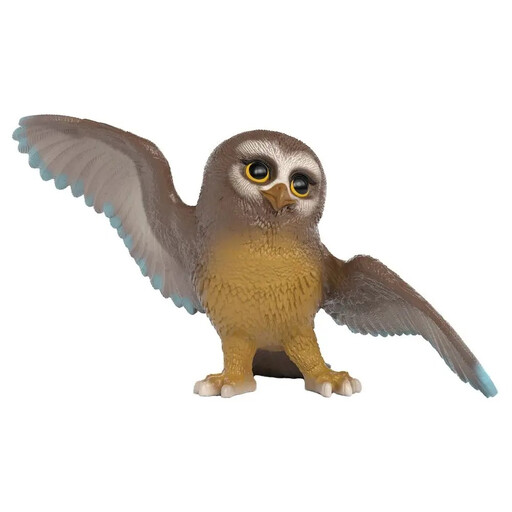
Why This Fits Their Persona: For children who love the characters and enjoy re-enacting scenes from the books. This figurine is less a toy for a one-time activity and more a durable companion for imaginative role-playing.
This product completely bypasses the low replay value trap. As a collectible figure, it continuously sparks creativity and can be integrated into countless play scenarios, rather than becoming uninteresting after a single use.
High-quality, hand-painted figure made from durable material. Encourages imaginative play and is a great addition to any collection related to the book series.

Why This Fits Their Persona: An excellent choice for families who want to play together. Instead of a solo activity like a puzzle, this cooperative board game offers a shared experience for up to four players, promoting teamwork and strategic thinking.
This game is inherently designed for replayability. The dynamic game board mechanism and event cards ensure that no two games are identical. It promotes social interaction instead of an isolated activity.
Cooperative gameplay where all players win as a team. A unique spinning mechanism on the game board provides variety and excitement.
We have compiled a complete, up-to-date list of products that fully meet these strict selection criteria and German safety regulations.
A Story Puzzle, like the one from Kosmos themed The School of Magical Animals Investigates, is a combination of a puzzle, a book, and a mystery game. First, a short story is read to introduce a case. Then, the puzzle is assembled. The finished picture then serves as the "crime scene," where hidden clues must be found to solve the mystery from the story. This multi-layered approach significantly increases its play value.
The "ages 6 and up" recommendation is a rough guideline. Whether a child can handle a 100-piece puzzle depends on their individual development and puzzle experience. A child who puzzles regularly might be able to tackle it earlier. A beginner might still need support at age 7 or 8. More important than age are a clear, well-structured image and high-quality, well-fitting pieces that prevent frustration.
Yes, besides puzzles, there is a growing selection of games based on the popular book series. These include cooperative board games, detective games, and card games. These products are often designed to promote teamwork and logical thinking and offer a great alternative or supplement to a classic puzzle, especially for families or groups of children.