
Lieferung heute & morgen

Qualitätsgarantie

Willkommens-Angebote freischalten: KOSTENLOSE Lieferung | Bis zu 80 % RABATT | Kostenlose 30-Tage-JoyPlus-Testphase
App herunterladen
Magnesium 400 mg is one of the most commonly searched dosages for food supplements. The choice ranges from classic magnesium tablets and capsules to effervescent tablets and direct magnesium granules for taking without water. However, a high milligram figure alone says little about whether a product suits your daily routine.
If you want to buy high-dose magnesium, you should therefore be aware of three common pitfalls: the advertised amount may refer to different bases, additional vitamins and minerals are not suitable for everyone, and the format affects how practical the product is to take. The selection below makes it easier to compare products based on clear, verifiable information.
Packaging may refer to magnesium oxide, magnesium citrate or magnesium bisglycinate. What matters is how much elemental magnesium the stated daily serving provides. The quantity of the compound is not automatically the same as the quantity of magnesium.
For the products presented here, the magnesium content is stated per daily serving. Even so, it is worth checking the ingredients list and nutrition table. A preparation containing several forms of magnesium is not automatically more suitable than a product containing just one compound.
Magnesium with B vitamins, potassium, calcium or vitamin D may be of interest in certain dietary and lifestyle situations. However, if you already take other food supplements, you should check your total intake. It is particularly advisable to consult a medical practice before taking potassium, vitamin D, iron or high-dose B vitamins.
Approved nutrition claims relate to normal bodily functions: magnesium contributes to normal muscle function, normal nervous system function, normal energy-yielding metabolism and normal electrolyte balance. This does not imply any therapeutic benefit. The search phrase magnesium for tiredness should therefore not be equated with treating symptoms.
Tablets are usually compact and suitable for a regular daily routine. Granules or sticks allow you to take magnesium without water and are practical when you are out and about. Effervescent tablets, on the other hand, require a glass of water but may be more comfortable for people who dislike swallowing tablets.
According to the product information for many preparations, 400 mg of magnesium corresponds to around 107% of the EU nutrient reference value. This is a high serving for a food supplement. More is not automatically better: for sensitive individuals, magnesium servings above 250 mg from food supplements may have a laxative effect.
The recommended daily intake must not be exceeded. If you have kidney disease, are pregnant or breastfeeding, or regularly take medication, you should seek medical advice before choosing a product.
Magnesium oxide is included in several products in this selection. Capsule products sometimes use magnesium citrate, magnesium bisglycinate or magnesium malate. Tolerance can vary from person to person. Terms such as ‘highly bioavailable’ should not be accepted uncritically as proof of quality where no comparable, product-specific evidence is available.
You should also check allergens, sweeteners and dietary characteristics. For people following specific diets, vegan magnesium, gluten-free or lactose-free products may be important selection criteria.
For people who exercise actively and sweat heavily, a product containing magnesium and potassium may seem appealing. However, potassium should not be taken for heart or kidney conditions without first consulting a doctor. A magnesium depot product uses a delayed-release format, which may suit people who prefer to take one serving at a set time each day. Even so, your individual circumstances remain the deciding factor when it comes to effectiveness and tolerance.
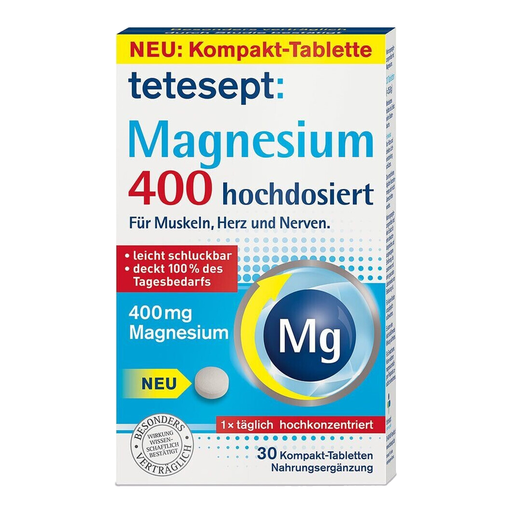
Why this product suits the profile: With a straightforward formula providing 400 mg of magnesium per tablet, this product is suitable for shoppers who prefer to avoid additional vitamins or minerals.
The daily serving and magnesium content are clearly stated. There is no marketing-led combination with other high-dose nutrients.
400 mg of magnesium per tablet, plus gluten-free and lactose-free product information.
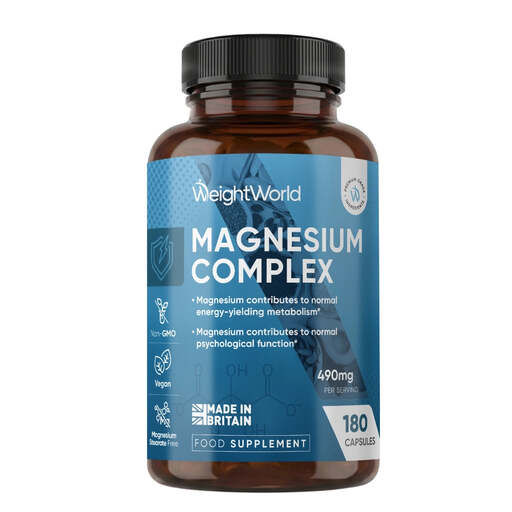
Why this product suits the profile: The formula combines magnesium citrate, bisglycinate, malate and oxide. According to the product information, taking two capsules a day provides approximately a three-month supply.
The individual forms of magnesium are named in the ingredients list. Shoppers can check the composition rather than relying solely on general claims about absorption.
180 vegan capsules; according to the product information, free from gluten, lactose and soya.
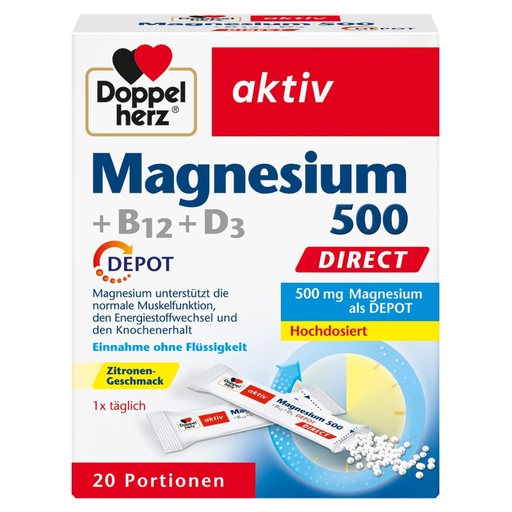
Why this product suits the profile: Each serving contains 500 mg of magnesium as well as vitamins B12 and D3. The direct granules are taken without water and are designed for use when you are out and about.
Individual sachets help reduce dosing errors. The information about aspartame and the possible laxative effect for sensitive individuals should be considered before purchase.
Depot format, 20 individually wrapped servings and no-water administration.

Why this product suits the profile: The sticks provide 400 mg of magnesium as well as B1, B2, B6, B12, folic acid, vitamin C and vitamin E. The granules are placed directly on the tongue.
The nutrition table states the amounts per stick. This makes it easier to monitor how the product combines with B vitamins you already use.
No-water administration, individual serving sticks and, according to the product information, a gluten- and lactose-free formula.
We have put together a complete, regularly updated list of products that fully meet these strict selection criteria and the safety regulations applicable in the EU.
That depends on your diet, individual needs and tolerance. For many products, 400 mg already exceeds the EU nutrient reference value. The recommended serving must not be exceeded. If you have a medical condition or take medication, you should seek medical advice about taking it daily.
Tablets are swallowed with water and are suitable for a regular routine. Direct granules are taken without water and may be more practical when you are out and about. However, the format does not automatically change the quality or your personal requirements. The magnesium content, ingredients list and tolerance remain the key factors.
This depends on the pack size and recommended daily serving. If you take one tablet or one stick a day, 30 units will mathematically last around 30 days, while 20 sachets will last around 20 days. For capsule products requiring two capsules per day, calculate the supply based on the stated serving.