
Lieferung heute & morgen

Qualitätsgarantie

Willkommens-Angebote freischalten: KOSTENLOSE Lieferung | Bis zu 80 % RABATT | Kostenlose 30-Tage-JoyPlus-Testphase
App herunterladen
Anyone looking to buy a magnesium supplement will find capsules, effervescent tablets, direct sticks and combination products with very different formulations. Packaging often features terms such as Magnesium 400 mg, “high dose” or “complex”. However, these details cannot always be compared directly.
As a Joybuy Product Recommendation Officer, I therefore focus on clear, verifiable information: How much elemental magnesium does it contain? Which magnesium compound is used? Does the format fit into your daily routine? And does the product contain additional vitamins or minerals that should be considered when making your personal choice?
With magnesium glycinate, magnesium citrate or magnesium oxide, the number printed on the packaging may refer either to the amount of the compound or to the actual magnesium content. 1,422 mg of magnesium glycinate does not automatically equal 1,422 mg of elemental magnesium. The key information is the nutrition table, which states the specific magnesium content per daily serving.
If you are specifically looking for Magnesium 400 mg, check whether the 400 mg refers to elemental magnesium per serving. The term “high dose” alone is not a substitute for this check.
A magnesium complex can combine several magnesium compounds. Other products supplement magnesium with B vitamins, vitamin C, vitamin D, calcium or potassium. This can be practical if you specifically want this combination. However, if you are already taking several vitamin and mineral supplements, ingredients may overlap.
It is particularly worth checking your total daily intake of vitamin D, vitamin B6, zinc and potassium. If you take medication, have a chronic illness, are pregnant or have reduced kidney function, your choice should be discussed with a medical or pharmaceutical professional.
Effervescent tablets require water and usually contain acidifiers and sweeteners. Capsules have a neutral taste but need to be swallowed. Magnesium sticks are designed for use on the go and, depending on the product, can be taken without water. The decisive factor is not just the price per pack, but also the number of servings and the recommended amount to take.
Always compare the amount per daily serving, not just the weight of the capsule or tablet. The EU Nutrient Reference Value for magnesium is 375 mg per day for adults. A product containing 400 mg corresponds to around 107% of the NRV as stated on the label; 500 mg corresponds to around 133%.
A higher amount is not automatically more suitable. According to product information, larger amounts of magnesium may have a laxative effect in sensitive individuals. The recommended daily intake should not be exceeded.
Magnesium citrate is commonly used in effervescent tablets and capsules. Magnesium glycinate, also known as bisglycinate, is another widely used compound. Magnesium oxide has a high magnesium concentration by weight, but it is not directly comparable with every other form of magnesium in terms of formulation.
For a magnesium complex, all the compounds it contains should be listed in the ingredients. Also check for allergens, the capsule shell, sweeteners and other minerals.
A daily serving of one tablet or one stick is easy to incorporate into your routine. If you take two capsules a day, calculate the supply accordingly. Also check the storage instructions, best-before date and warnings on the packaging.
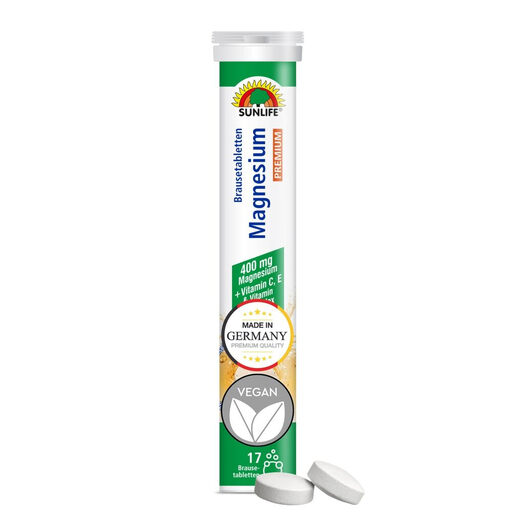
Why this product suits the profile: One effervescent tablet a day, dissolved in 250 ml of water, provides a clearly stated serving of 400 mg of magnesium. The formulation also contains vitamin C, vitamin E and B vitamins.
The nutrition table states the magnesium content per tablet and the NRV percentage. This makes it easy to assess the daily serving at a glance.
400 mg of magnesium per tablet; gluten- and lactose-free according to the product information; made in Germany according to the manufacturer's information.
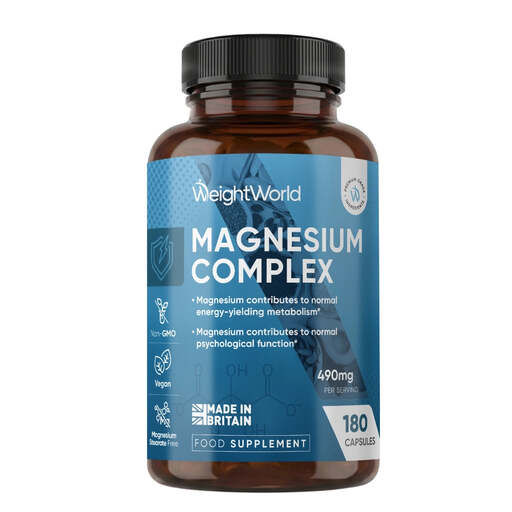
Why this product suits the profile: The capsules combine magnesium citrate, bisglycinate, malate and oxide. At a serving of two capsules a day, the pack lasts for 90 days according to the product description.
The individual forms of magnesium are listed in the ingredients. This keeps the formulation transparent rather than relying solely on the term “complex”.
180 plant-based capsules; combination of four magnesium compounds; free from gluten, lactose and soya according to the product information.
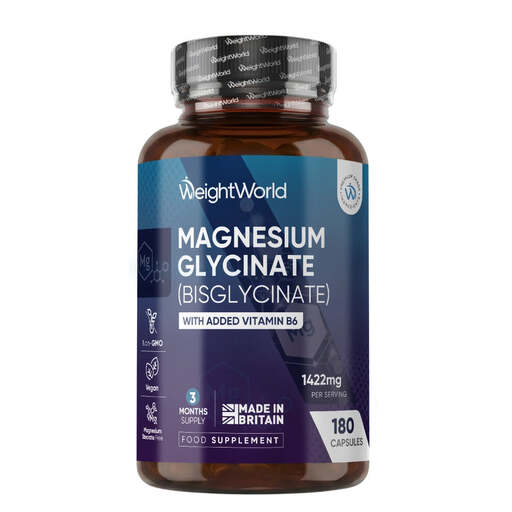
Why this product suits the profile: If you prefer capsules and are looking for a single magnesium compound, this formulation contains magnesium glycinate with a recommended serving of two capsules a day.
The advertised amount of the compound is not equated with elemental magnesium. For comparison purposes, the specific nutrition information on the label is what matters.
180 plant-based capsules; unflavoured formulation; free from gluten, lactose and soya according to the product information.
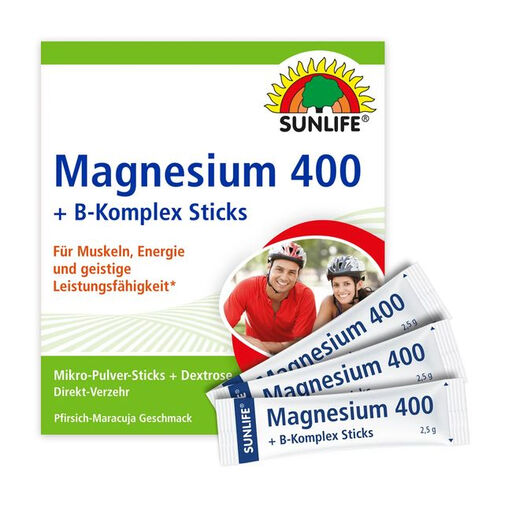
Why this product suits the profile: According to the product information, each stick provides 400 mg of magnesium and is placed directly on the tongue. This makes it suitable for work, travel or training without the need for additional water.
The instructions clearly specify one stick a day. At the same time, the B vitamins, vitamin C and vitamin E it contains should be taken into account when planning your overall intake.
Water-free intake; 400 mg of magnesium per stick; B vitamins and additional nutrients in one serving.
Magnesium supplements are not a substitute for a balanced and varied diet. Follow the consumption recommendation provided by the relevant manufacturer and observe the instructions on the packaging. If you have sensitive digestion, it may be sensible to take the supplement with a meal, provided the product information allows this.
If you have kidney disease, cardiovascular disease, are pregnant or breastfeeding, or take medication regularly, seek medical advice before buying. This is particularly important for combination products containing potassium, vitamin D or other minerals.
We have put together a complete, regularly updated list of products that fully meet these strict selection criteria and the safety regulations applicable in the EU.
This depends on your individual diet, the specific product and your personal circumstances. According to the labelling of many products, 400 mg corresponds to around 107% of the EU Nutrient Reference Value. The recommended daily dose must not be exceeded. If you have a medical condition or take medication, clarify your choice in advance.
Both terms refer to different magnesium compounds. What matters is the actual stated amount of elemental magnesium, the serving size and how well it suits your individual routine. A direct comparison should always be based on the same reference value.
The best-before date is shown on the relevant packaging. Unopened products should be stored in a cool, dry place away from light, in accordance with the manufacturer's instructions. After opening, effervescent tablets and sticks in particular should be kept in a tightly sealed container and stored in a dry place.