
Lieferung heute & morgen

Qualitätsgarantie

Willkommens-Angebote freischalten: KOSTENLOSE Lieferung | Bis zu 80 % RABATT | Kostenlose 30-Tage-JoyPlus-Testphase
App herunterladen
A magnesium supplement may seem straightforward at first glance: choose the desired number of milligrams, order a pack and you are done. In practice, however, products differ in terms of magnesium form, actual elemental magnesium content, dosage format and additional ingredients. If you focus only on terms such as “high-dose”, “sustained release” or “direct”, you may end up buying a product that does not suit your daily routine.
This shopping guide from the Joybuy Product Recommendation Officer helps you compare magnesium supplements objectively—for sport, physically demanding days, everyday nutritional support or a convenient evening routine.
The label may state “magnesium citrate” or “magnesium bisglycinate”, for example. What matters, however, is how much elemental magnesium the daily serving provides. The total amount of the magnesium compound does not automatically correspond to the actual magnesium amount stated on the label.
Always compare:
The EU NRV for magnesium is 375 mg. According to the product labelling, a product containing 400 mg of magnesium provides 107% of the NRV, while 500 mg of magnesium corresponds to approximately 133% and 600 mg of magnesium to approximately 160% of the NRV.
Magnesium 600 mg may seem appealing to some adults, but it is not generally necessary for everyone’s daily routine. Product information for supplements containing more than 250 mg of additional magnesium often includes a warning about a possible laxative effect in sensitive individuals.
Particular caution is advised in cases of impaired kidney function, pregnancy, breastfeeding, medication use or existing medical conditions. In these situations, product selection should be discussed with a doctor, pharmacist or other healthcare professional. Food supplements are not a substitute for a balanced diet.
Products containing magnesium with vitamins B6 and B12, folic acid or vitamin D may be of interest to people who specifically want to combine these nutrients. However, more ingredients do not automatically mean greater personal benefit. Check whether you are already taking other supplements to avoid unnecessarily accumulating individual vitamins.
Permitted nutrient-related claims refer to normal bodily functions. According to approved EU nutrition claims, magnesium contributes to normal muscle function, the normal functioning of the nervous system and normal energy metabolism. Claims such as “magnesium against fatigue” or “magnesium for falling asleep” should not be understood as medical or efficacy claims.
Magnesium citrate is frequently used in capsules, gummies and effervescent tablets. Magnesium bisglycinate is bound to glycine and is often chosen by people who prefer a particular form of magnesium. Magnesium oxide allows high magnesium amounts in compact tablets, but it may also have a laxative effect in sensitive individuals.
A Magnesium Complex combines several compounds, such as citrate, bisglycinate, malate and oxide. This is practical if you want several forms in a single product. An objective comparison is still only possible when the amount of elemental magnesium per daily serving is clearly stated.
Also check for allergens, sweeteners, sorbitol, aspartame, gluten, lactose and vegan labelling. A claim such as “gluten-free” or “lactose-free” should refer to the specific product label.
A daily serving of 300 to 400 mg may be easier for many buyers to assess than a very high single dose. With 500 or 600 mg, pay particular attention to the warnings and avoid combining several magnesium-containing products. Follow the recommended daily serving and take the product with sufficient fluids unless the product instructions state otherwise.

Why it fits: A straightforward dosage for adults who want to start with one simple tablet a day.
The pack clearly states the magnesium amount per tablet as 300 mg instead of relying solely on a generic “high-dose” claim.
According to the product information, vegan and free from gluten, lactose and sugar; one tablet per day.
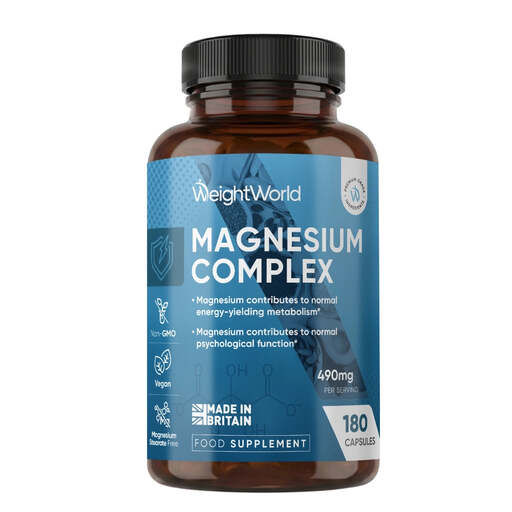
Why it fits: For adults looking for magnesium citrate, magnesium bisglycinate, malate and oxide in a single capsule blend.
The individual magnesium compounds are clearly listed in the ingredients; buyers should also check the elemental magnesium amount per daily serving on the label.
180 plant-based capsules; according to the product information, vegan and free from gluten, lactose and soy.
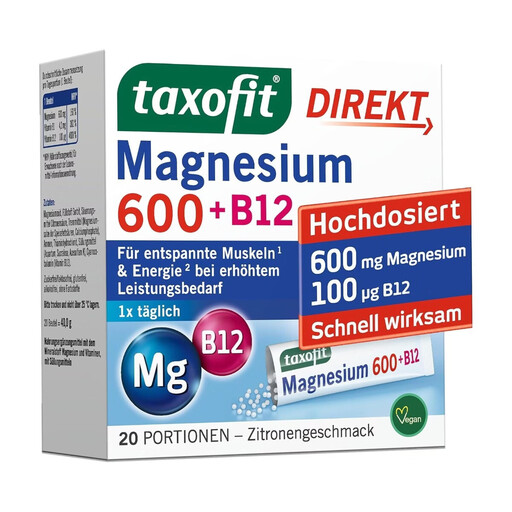
Why it fits: Direct granules for use on the go when taking magnesium without water is important during work or sport.
The intake format is clearly described. Because it contains 600 mg of magnesium and sorbitol, the dosage instructions and warnings deserve particular attention.
600 mg of magnesium, vitamin B1 and 100 µg of vitamin B12 per sachet; according to the product information, vegan and free from sugar, gluten and lactose.
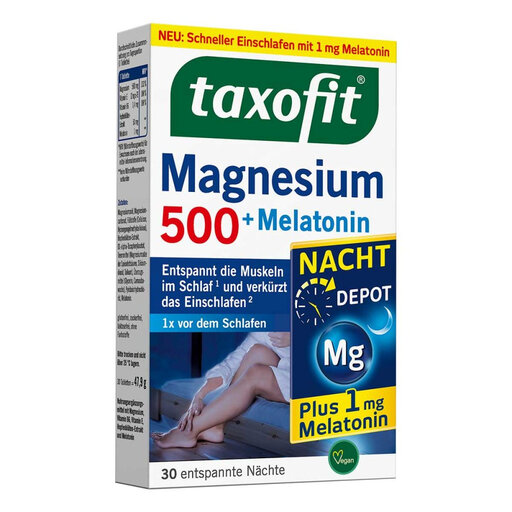
Why it fits: A sustained-release tablet with 500 mg of magnesium, melatonin, vitamin B6 and vitamin E for use shortly before bedtime.
This is not simply a standard magnesium supplement: the melatonin content and recommended evening intake are clearly stated.
30 sustained-release tablets; according to the product information, 1 mg of melatonin per tablet. Not intended for pregnant or breastfeeding women.
Our range of high-dose magnesium supplements can be compared by dosage, format and additional nutrients. Always check the latest product information and safety instructions before purchasing.
The higher dosage is not automatically the better choice. The key factors are your individual needs, diet, tolerance and any other supplements you take. With 500 or 600 mg, pay attention to the warnings regarding a possible laxative effect. If you are unsure, consulting a pharmacist is advisable.
Capsules are neutral in taste and do not need to be dissolved. Effervescent tablets are added to water and may be convenient for people who dislike swallowing tablets. With both formats, compare the magnesium amount, sweeteners, allergens and recommended intake.
Some evening products also contain melatonin or plant extracts. Magnesium itself is not a sleep aid. For products containing melatonin, the intake instructions, age recommendations and warnings must be observed. If sleep problems persist, the underlying cause should be medically assessed.