
Lieferung heute & morgen

Qualitätsgarantie

Willkommens-Angebote freischalten: KOSTENLOSE Lieferung | Bis zu 80 % RABATT | Kostenlose 30-Tage-JoyPlus-Testphase
App herunterladen
Anyone looking to buy magnesium tablets will quickly come across products providing 300, 400, 500 or even 600 mg per daily dose. You may also see terms such as sustained release, Triple Action, magnesium citrate, vitamin B and night formula. The price alone says little about which product is right for you. What matters is the actual amount of magnesium contained, the recommended dosage and the overall formulation.
This buying guide from the Joybuy Product Recommendation Officer helps you assess advertising claims objectively and choose a supplement that fits your everyday routine.
A high number on the front of the pack does not automatically mean that you need a higher dose. Magnesium 400 mg, magnesium 500 mg and magnesium 600 mg differ considerably from products containing 100 or 200 mg. You should also check whether the figure refers to elemental magnesium per tablet or to a compound such as magnesium citrate.
The reference values shown on the packaging are intended as a guide and do not replace an individual assessment. Combining several magnesium-containing products at the same time may be unnecessary.
Many products use magnesium oxide or magnesium carbonate. Others contain magnesium citrate, bisglycinate or a combination of several compounds. The form of magnesium affects, among other things, the formulation, tablet size and individual tolerability.
If you are specifically looking for magnesium citrate capsules, check that magnesium citrate is actually listed as an ingredient. A capsule is not automatically better tolerated than a tablet. The recommended number per day and the amount of magnesium per serving are also relevant.
Magnesium with vitamin B may appeal to people who prefer a combined supplement. However, vitamins B1, B6 and B12 each have their own authorised nutrient functions. If you are already taking a vitamin supplement, you should take your total intake into account.
Products intended for evening use may also contain melatonin, valerian, hops, lavender or lemon balm. Melatonin sleep aids, valerian tablets and L-tryptophan are not interchangeable alternatives to magnesium. They belong to different product categories and should be used according to the relevant product information.
First compare the amount per recommended daily serving:
According to the product information, amounts above 250 mg from food supplements may have a laxative effect in sensitive individuals. Always follow the instructions on the relevant packaging. The recommended daily dose must not be exceeded.
Supplements with a straightforward formulation make comparison easier. If a product contains several magnesium compounds, such as oxide, citrate and bisglycinate, each ingredient should be clearly identifiable in the nutritional declaration.
A sustained-release tablet releases its ingredients over time in accordance with the product concept. This may be practical for people who prefer to take a supplement just once a day. However, a sustained-release function is not in itself proof of quality; it is a specific delivery format.
For people with particular dietary preferences, details such as vegan magnesium, gluten-free magnesium, lactose-free or sugar-free are relevant. The key information is found in the ingredients and allergen list, rather than just in a brief marketing claim.
People with impaired kidney function, pregnant or breastfeeding women, and anyone who regularly takes medication should seek medical advice before use. Food supplements are not a substitute for a balanced diet and healthy lifestyle.
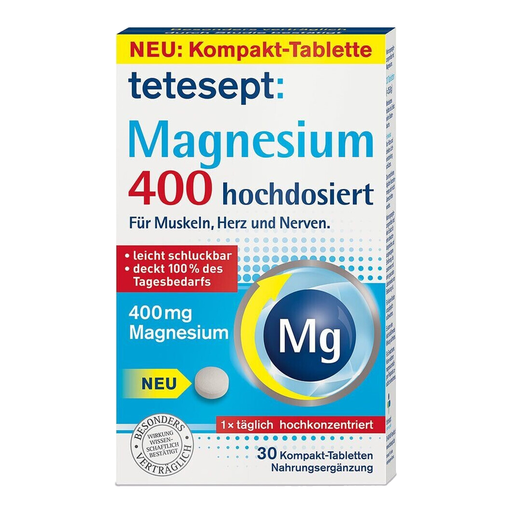
Why this product suits the profile: A straightforward formula providing 400 mg of magnesium per tablet, together with a recommendation to take one tablet daily, makes it easy to get started.
The nutritional information clearly states the amount of magnesium per tablet. According to the description, the product is gluten-free and lactose-free.
400 mg per daily dose, 30 tablets and a compact dosage format.

Why this product suits the profile: The combination of three magnesium compounds appeals to buyers who want to take a closer look at the formulation.
The formula explicitly lists magnesium oxide, magnesium citrate and magnesium bisglycinate. The high daily dose should not be combined with other magnesium products.
600 mg per tablet, a vegan formula, and gluten-free and lactose-free labelling.
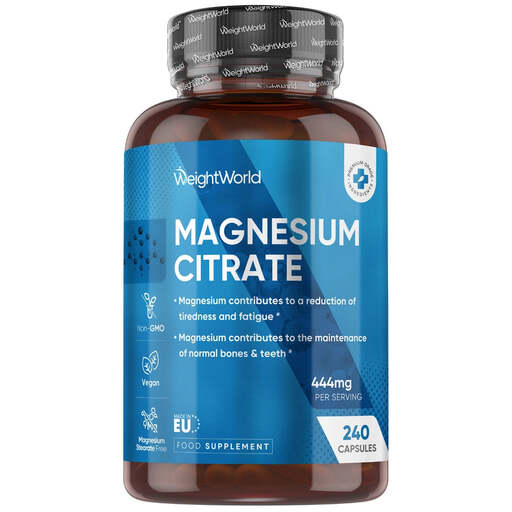
Why this product suits the profile: The large pack of 240 capsules is designed for longer-term use, based on the manufacturer’s recommendation of two capsules daily.
The product information identifies magnesium citrate as the specific form of magnesium and states that the capsule shell is vegan, gluten-free and lactose-free.
240 capsules, taken with a main meal, and a clearly stated citrate ingredient.
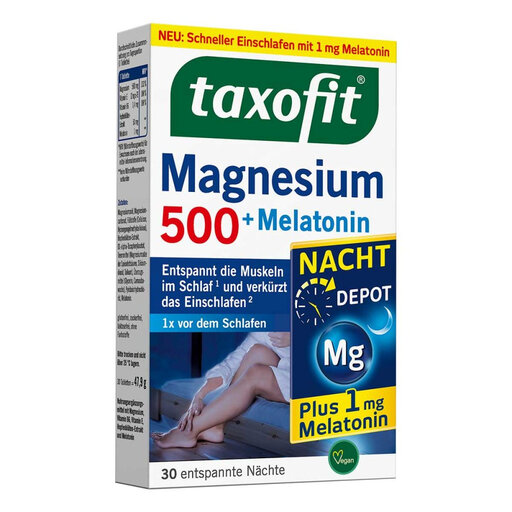
Why this product suits the profile: The sustained-release tablet is intended to be taken shortly before bedtime and combines magnesium with vitamin B6, vitamin E, hop extract and 1 mg melatonin.
The evening function and the ingredients are clearly specified. Because it contains melatonin, the product information states that it is not intended for pregnant or breastfeeding women.
500 mg of magnesium, a sustained-release format and clearly defined use shortly before bedtime.
We have put together a complete, regularly updated list of products that fully meet these strict selection criteria and the safety regulations applicable in the EU.
That depends on your diet, individual requirements and the information provided for the specific product. 400 mg per tablet is listed as the recommended daily serving for several products. As higher amounts may have a laxative effect, consumers should follow the usage instructions and avoid combining several supplements without professional advice.
Magnesium citrate capsules contain magnesium in the form of citrate, while many tablets use magnesium oxide or magnesium carbonate. The two product types differ in formulation, capsule or tablet size and individual tolerability. The stated amount of elemental magnesium and the recommended daily serving are the key factors.
You should not combine them as a general rule. Products such as melatonin sleep aids, valerian tablets and L-tryptophan have their own usage instructions and possible restrictions. If you take medication, have health concerns or already use several food supplements, seek medical or pharmaceutical advice before combining them.