
Lieferung heute & morgen

Qualitätsgarantie

Willkommens-Angebote freischalten: KOSTENLOSE Lieferung | Bis zu 80 % RABATT | Kostenlose 30-Tage-JoyPlus-Testphase
App herunterladen
Magnetic building blocks for children combine open-ended building with geometric shapes, colours and an introduction to basic principles of stability. But a larger set isn’t automatically the right choice. The key things to consider are the recommended age, how the magnets are secured, the size of the pieces and whether the toy suits your child’s everyday play.
A magnetic building block set with 150 pieces sounds impressive. But if it contains mostly identical pieces, children can quickly find themselves building similar models. For more varied, creative play, a mix of shapes, triangles, squares, connectors and specialist pieces is often more important than the total number of pieces.
Some sets are officially recommended for children aged 3 and over, but may still contain small pieces and strong magnets. An age recommendation is no substitute for supervision. Small parts can pose a choking hazard for children under 3. Swallowing magnets can cause serious injury. If you suspect a magnet has been swallowed, seek medical help immediately.
Magnetic tiles for children from different brands don’t always work well together. Differences in edge length, magnet position, shape and material thickness can make structures unstable. Before buying, check whether the product specifies compatibility with other sets and whether its dimensions match the building block set you already own.
For children aged 3 and over, larger magnetic building blocks with easy-to-grip pieces may be suitable. Sets with particularly small pieces or magnetic balls should only be used in line with the manufacturer’s guidance and under direct supervision. Older children and teenagers may enjoy detailed model-building kits with lots of components.
Check regularly:
A secure connection makes it easier to build towers, houses and three-dimensional shapes. Descriptions such as ‘double-layered magnets’ or ‘ultrasonic welding’ refer to how the particular product is made. They shouldn’t be taken to mean that it can never break.
For sets designed for larger structures, edge length and piece shape also matter. For example, the XINQIYUAN set with 7.5 cm pieces is suited to larger structures, while smaller 3.75 cm tiles allow for more detailed designs.
ABS plastic is used in many magnetic building blocks. Smooth, rounded edges make the pieces easier to handle. Check product details directly for claims such as ‘non-toxic’ or references to safety standards. It isn’t possible to make a general claim that applies to all sets.
To help your set last longer:

Why this product suits this profile: This 76-piece set is recommended for children aged 3 and over, offering a manageable introduction to magnetic construction toys.
The stated piece count includes a range of shapes and 3.75 cm tiles, making the set easy to manage for first 2D and 3D models.
76 pieces, transparent ABS material, enclosed magnets and, according to the product details, compatibility with other standard sets.
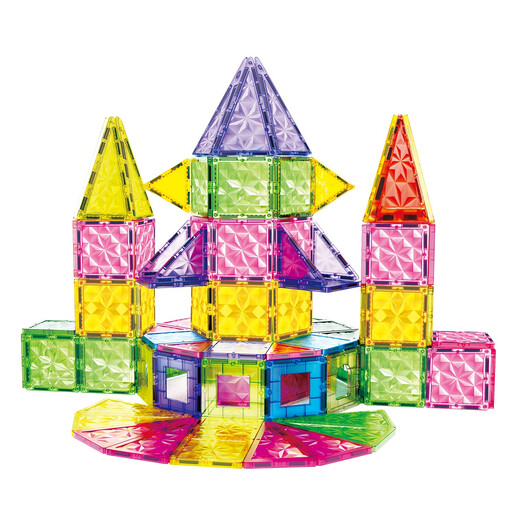
Why this product suits this profile: With 117 pieces and larger 7.5 cm elements, this set is designed for more substantial 3D constructions.
The product details mention enclosed magnets, smooth edges and ABS plastic. Damaged pieces should still be removed from use.
117 pieces, diamond-textured surfaces, a storage solution and, according to the supplier, compatibility with popular magnetic tile systems.
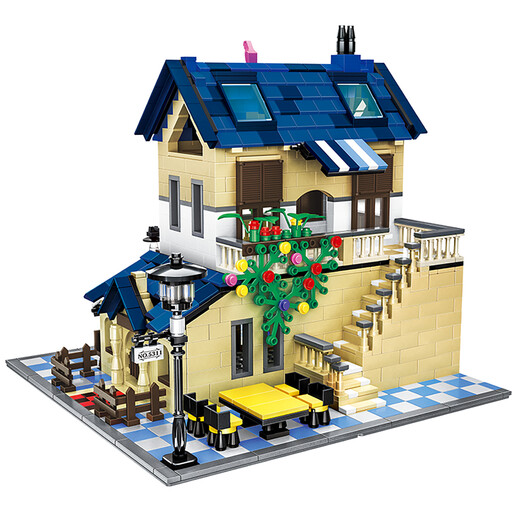
Why this product suits this profile: According to the product details, this detailed model kit is aimed at older children aged 6 and over, hobby builders and anyone who wants to display their finished model.
The intended audience is more clearly defined than for open-ended sets for young children: 1,298 small pieces and a 50 × 35 × 8 cm box make it best suited to a dedicated building space and supervised assembly.
ABS pieces, an architectural design, a stated product weight of 1.6 kg and a finished model for display or collecting.
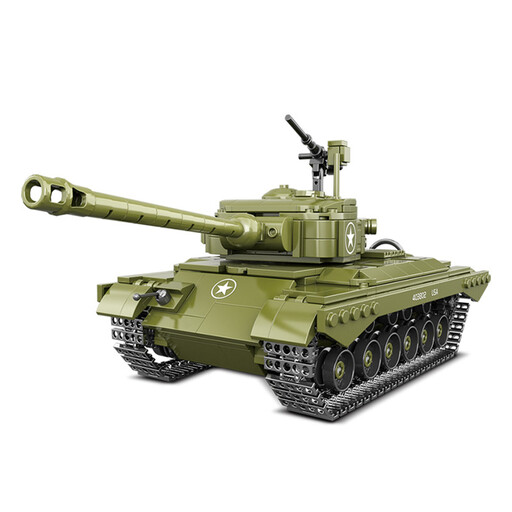
Why this product suits this profile: With more than 760 pieces, this set is designed for longer building sessions, parent-and-child activities and display once complete.
The product description doesn’t explicitly mention small parts or recommend use from age 3. Check the stated age guidance and supervision recommendations carefully before assembly.
760+ ABS pieces, a military vehicle model, a colour box measuring 45 × 7 × 30.5 cm and, according to the supplier, a build you can assemble again.
We’ve put together a complete, regularly updated list of products that meet these strict selection criteria and fully comply with the safety regulations in force in the EU.
Some sets are labelled as suitable for children aged 3 and over. However, always check the details on the individual product page, as well as the size of the pieces included. Because of the small parts and magnets, supervision is recommended. Sets with relevant warning labels aren’t suitable for children under 3.
Their lifespan depends on the quality of the plastic, how the magnets are enclosed, how the set is stored and how it’s handled. Drops, heat, moisture and forceful pulling apart can damage the pieces. If a piece is cracked, has a loose magnet or has sharp edges, stop using it.
Open-ended building with magnetic blocks can encourage spatial thinking, an understanding of shapes and problem-solving. However, the terms STEM learning toy and Montessori building toy don’t refer to a single, standardised product specification. Parents should therefore check the specific play possibilities, piece shapes, instructions and age recommendation.