
Lieferung heute & morgen

Qualitätsgarantie

Willkommens-Angebote freischalten: KOSTENLOSE Lieferung | Bis zu 80 % RABATT | Kostenlose 30-Tage-JoyPlus-Testphase
App herunterladen
A magnetic car phone holder can make navigation, hands-free calling and music control much simpler. However, it's essential that the mounting method, magnetic connection and smartphone compatibility all work together. Many poor purchases happen not because of the magnet itself, but because of an unsuitable surface, a phone that's too heavy, or misleading information about charging power.
The points below will help you cut through the marketing claims and choose the right magnetic car mount for everyday use.
A universal smartphone car mount may work with many devices, but if your phone isn't magnetic, you'll usually need a metal plate or a compatible case. With iPhones that have MagSafe, the magnetic ring is already built into the device or its case. Android smartphones, depending on the model, need Qi support plus a metal plate or magnetic case.
Before you buy, check the following:
A metal plate can interfere with wireless charging if it sits between the phone and the charging coil. This is less of an issue with a mount that doesn't have charging functionality.
A powerful magnetic connection is useless if the adhesive surface is dirty or if a vent grille can't support the weight long-term. For a car phone holder for the dashboard, a smooth, dry and grease-free surface is essential. Most adhesive pads need several hours to bond after mounting before they can be loaded.
With a car phone holder for air vents, the clip must match the shape and strength of the vent blades. Heavy smartphones can push the vent down or cause the mount to move while you're driving. Always test the fit in a stationary vehicle before your first journey.
A specification like "15 W" describes the potential output of the mount, not necessarily the actual charging speed for every smartphone. The result depends on factors including the device, charging protocol, power adapter, cable, temperature and case.
A wireless charging car mount also needs a power source. Depending on the model, you may need a USB-C power adapter, a USB port or an adapter for the 12-volt socket. So when choosing, don't just look for a "Qi car charger" – also check the input voltage and any required accessories.
N52 magnets are used in several models. However, the actual holding strength also depends on distance, the metal plate, case thickness and smartphone weight. A thick protective case can weaken the connection, so always test the phone's stability gently before you drive.
Keep metal plates away from magnetic stripe cards or other magnetically sensitive data storage. Small plates and magnets should also be kept out of the reach of children.
A 360° rotatable phone holder lets you use your phone in portrait or landscape orientation. What matters isn't just the rotation angle, but also the stability of the joint. A flexible arm can improve positioning, but it must not sag under the weight of the smartphone.
The mount should be positioned so you can use navigation and hands-free calling without taking your eyes off the road. Only adjust or operate the device when the vehicle is stationary.
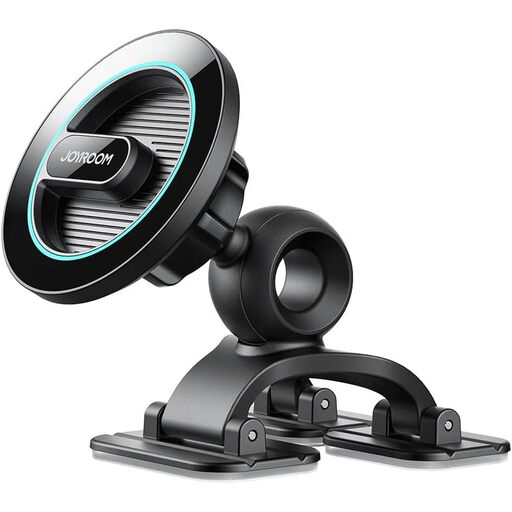
Why this product fits the profile: This dashboard mount offers a simple solution without charging functionality and is designed to work with various smartphones.
The specifications mention dashboard mounting, 360° adjustment and three magnetic holding arms. The adhesive surface must be cleaned before mounting.
360° rotation, universal smartphone compatibility and a stated weight of 30 g.
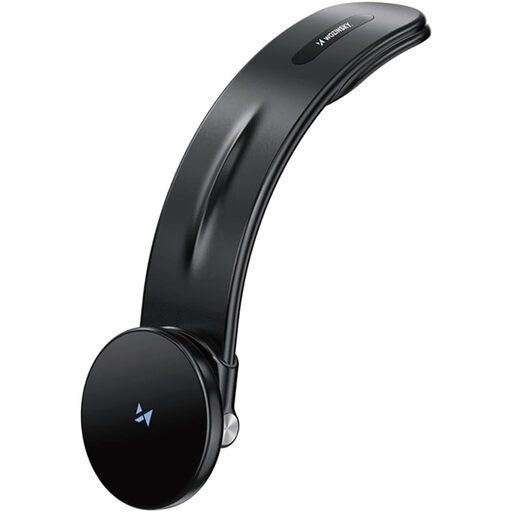
Why this product fits the profile: This model combines a dashboard mount with Qi charging, making it ideal for users who want to reduce cables while navigating.
Compatibility is clearly stated: iPhone from the 12 series onwards, plus Qi smartphones using the included metal plate. The charging power is listed as up to 15 W.
20 N52 magnets, USB-C port, flexible mount and 360° rotation according to the product specifications.
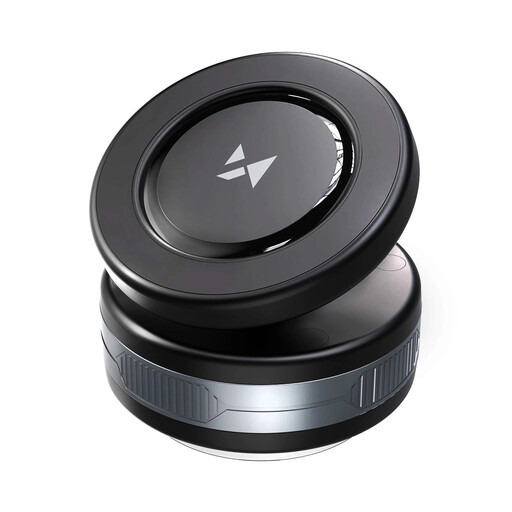
Why this product fits the profile: This suction cup mount can be attached to the dashboard or windscreen, and is aimed at heavy users with a Qi- or MagSafe-compatible smartphone.
Use explicitly requires a Qi-enabled device and a suitable magnetic case. This makes it easy to check compatibility before you buy.
Qi charging up to 15 W, USB-C cable, suction cup mounting and 360° adjustability.
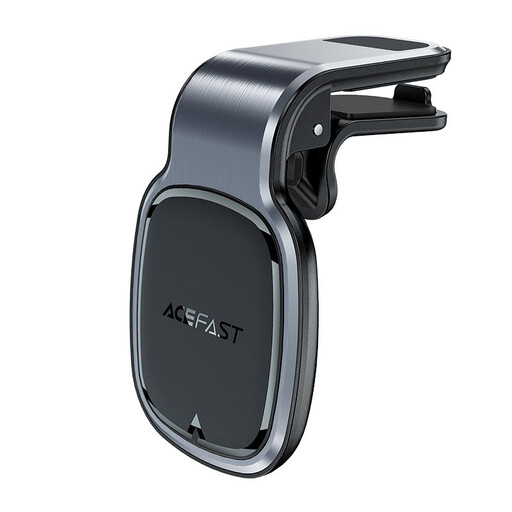
Why this product fits the profile: This compact model attaches to the air vent and, according to the product description, doesn't require MagSafe.
The "No MagSafe Required" claim reduces reliance on a specific smartphone magnet system. However, the clip must still fit your particular air vent.
Universal vent clip, 360° rotation and a compact design.
We've put together a full, regularly updated list of products that meet these strict selection criteria and comply with EU safety regulations.
With modern smartphones, the mount is designed for normal use. However, magnetic metal plates can affect magnetic stripe cards, certain storage media or sensitive medical devices. You shouldn't store such items directly on the mount. Always follow the safety instructions for your specific product.
This depends on the surface, temperature, sunlight exposure, adhesive material and smartphone weight. Before mounting, clean and dry the dashboard thoroughly. Many manufacturers recommend not loading the mount for a period after sticking it on. If the adhesion weakens, don't continue using it while driving.
A car mount with wireless charging only draws power when it's connected to the vehicle. The actual consumption depends on the battery level and the charger you're using. If the vehicle will be stationary for a long time, disconnect the charger if the 12-volt socket is permanently live.