
Lieferung heute & morgen

Qualitätsgarantie

Willkommens-Angebote freischalten: KOSTENLOSE Lieferung | Bis zu 80 % RABATT | Kostenlose 30-Tage-JoyPlus-Testphase
App herunterladen
A magnetic car phone mount can make navigation, hands-free calls and music control easily accessible while you're driving. In practice, however, everyday usability depends on more than just magnetic strength. The type of attachment, compatibility with your smartphone, and how it handles heat, vibrations and wireless charging are all crucial factors.
Many products boast powerful magnets, but that doesn't automatically mean every smartphone will stay securely in place. An iPhone from the 12th generation onwards can be compatible with a suitable MagSafe surface. With many Android smartphones or older iPhones, however, you'll need a MagSafe-compatible case or a metal ring.
A thick, textured or metallic case can further weaken the connection. So before you buy, you should check:
A dashboard phone mount is usually attached with an adhesive pad or suction cup. Dust, grease, moisture and heavily textured surfaces can reduce adhesion. With an adhesive pad, the surface should be cleaned before mounting. Depending on the model, you may also need to wait for the adhesive to fully bond.
An air vent phone mount requires a compatible vent profile. Not every clip is suitable for round, very flexible or particularly thin slats. In vehicles with delicate or stiff vent slats, you should carefully test the attachment.
A Qi car charger can power your smartphone while you drive. However, the stated output, for example 15 W, depends on your smartphone, power adapter, cable, temperature and alignment. With a magnetic ring mount, the metal can block the charging process. For this reason, the ring mount must be removed from certain models before charging.
Even with a magnetic phone mount with charging function, your smartphone should be centred. Direct sunlight, high cabin temperatures and simultaneous use of navigation can increase heat build-up.
MagSafe refers to a magnetic attachment system that enables precise positioning with compatible iPhones and cases. With Android devices, compatibility is not automatic. A suitable ring can create the connection, but it may alter the back of your case and could interfere with wireless charging.
ABS, PC, silicone and zinc alloy are used in the mounts listed here. Silicone pads can protect contact surfaces, while metal constructions often have a higher weight. Also relevant are:
The mount should be positioned so that you only need to take your eyes off the road for the shortest possible time. Do not adjust the angle or attachment while driving.
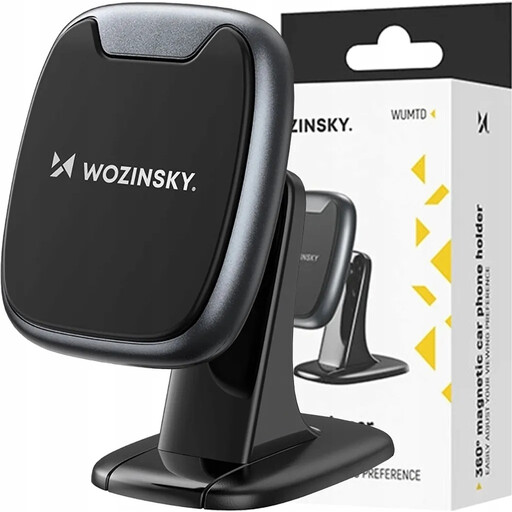
Why this product suits the profile: This mount is designed for dashboard installation and supports smartphones with a stated size of 3.5 to 6.5 inches.
The product details clearly state the mounting surface, size range and 360-degree adjustment. This makes it easier to check compatibility before purchase.
360-degree rotation, silicone coating and magnetic attachment; a metal plate is required for non-compatible devices.
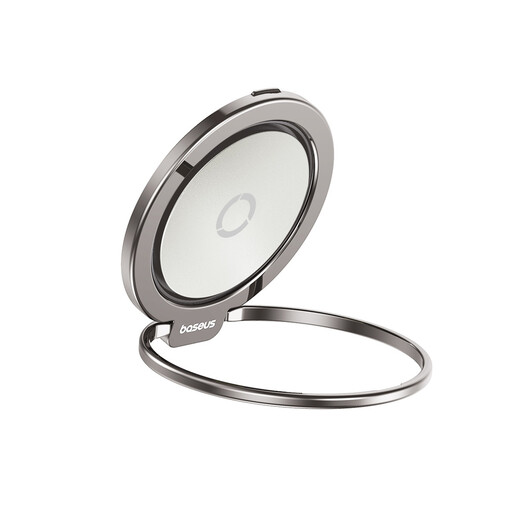
Why this product suits the profile: This ring mount combines MagSafe compatibility with a stand function and, according to the product details, can be rotated 360 degrees and folded 180 degrees.
The stated compatibility is clearly defined: iPhone 12 and newer are listed; other devices require a suitable metal ring.
Zinc alloy, stated magnetic strength of 10 N, 360-degree rotation and 180-degree folding. The product description mentions use on MagSafe chargers without removal.
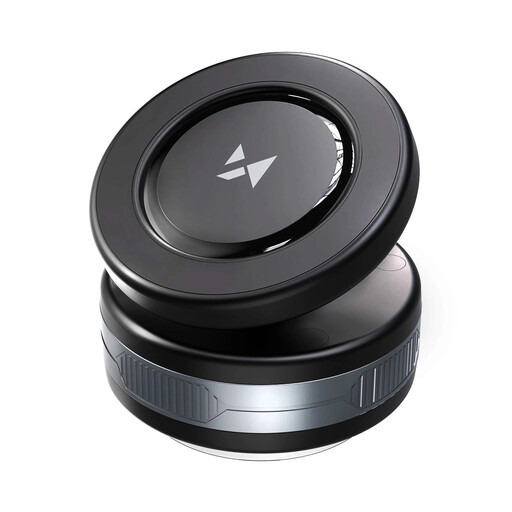
Why this product suits the profile: For daily drives with navigation and charging needs, this model combines suction cup mounting on the windscreen or dashboard with Qi charging.
The product data lists the input, Qi output up to 15 W and the included USB-C cable. This allows you to check power supply and charging requirements in advance.
Qi charging up to 15 W, 360-degree adjustment and use on smooth surfaces such as the windscreen or dashboard.
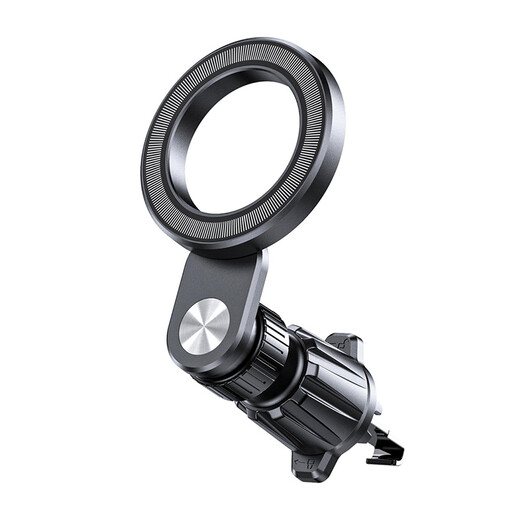
Why this product suits the profile: This compact air vent mount is aimed at people who want to keep their dashboard clear and attach their smartphone quickly.
The design combines a metal clip with a twist lock. However, you should still check before driving whether your own air vent is suitable for this type of attachment.
360-degree adjustment, stated dimensions of 13 × 9.1 × 5 cm and support for MagSafe as well as devices with a metal ring.
We've put together a complete, regularly updated list of products that fully meet these strict selection criteria and the safety regulations in force in the EU.
Before your first journey, make sure the contact surface is clean, dry and free from grease. For suction cups, a smooth surface is recommended. With adhesive pads, you should follow the curing time stated in the instructions. The mount must not obstruct your field of vision, airbags, steering wheel, pedals or any important controls.
Keep magnets away from credit cards, access cards and other magnetically sensitive items. People with implanted medical devices should observe the manufacturer's safety instructions. Small magnets and metal rings should also be kept out of the reach of children.
No. MagSafe-compatible iPhones can be attached directly, provided you're not using an unsuitable case. Other devices usually require a compatible case or a metal plate. You should compare the specific device size and weight with the product specifications.
That depends on the model. A purely magnetic mount does not offer a charging function. A Qi car charger requires a compatible smartphone, a suitable power supply and an unobstructed charging surface. Metal rings can interfere with energy transfer and must be removed from some mounts.
The lifespan depends on the mounting surface, temperature, vibrations and regular checks. Adhesive pads can lose their grip due to heat or frequent repositioning. Suction cups should be kept clean, and air vent clips should be checked regularly for a secure fit. Do not continue to use any components that are warped, damaged or loose.